Everything You Need to Know About Gua Sha – Gua Sha Ultimate Guide
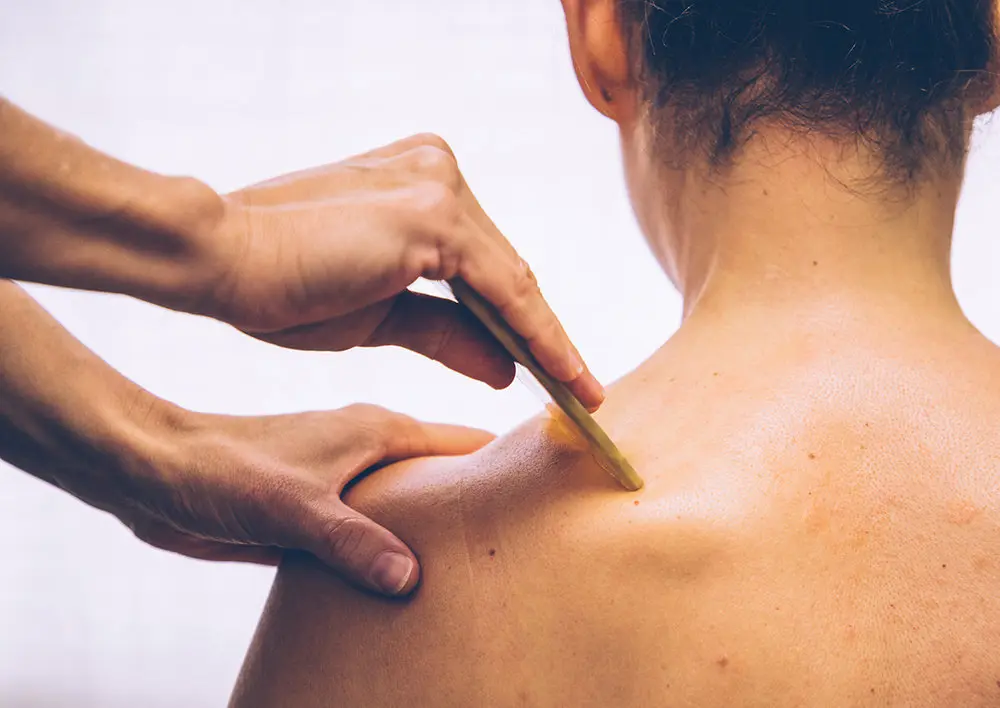
I. Introduction Gua Sha is a traditional Chinese healing technique that involves gua sha the skin with a smooth-edged tool to stimulate blood flow and promote healing. In recent years, it has gained popularity in the West as a complementary therapy for a variety of conditions, including chronic pain, inflammation, and skin issues. In this article, we will discuss the basics of Gua Sha, its history and development, its functions, and the different types of Gua Sha tools available. II. What is Gua Sha? Gua Sha, also known as “scraping,” is a therapeutic technique that involves using a smooth-edged tool to scrape the skin’s surface, usually on the back, neck, shoulders, or limbs. The technique is based on the principles of Traditional Chinese Medicine (TCM), which holds that imbalances in the body’s energy, or Qi, can lead to illness and pain. During a Gua Sha session, the practitioner applies pressure to the skin using the tool, which creates small bruises or petechiae on the surface of the skin. These bruises are thought to stimulate the body’s natural healing response, promoting blood flow and the release of toxins. Gua Sha can be performed using a variety of tools, including jade, rose quartz, metal, and bone. Each tool has a unique shape and texture, and the choice of tool may depend on the specific needs of the patient. III. The Origin and Development of Gua Sha The practice of Gua Sha has been used in Traditional Chinese Medicine for centuries, and its origins can be traced back to the Han Dynasty (206 BCE–220 CE). Over time, the technique has evolved and been refined, with notable practitioners and figures contributing to its development. One such figure is Bian Que, a legendary TCM physician from the Warring States period (476-221 BCE) who is credited with the invention of Gua Sha. Bian Que is said to have used a smooth-edged tool to scrape the skin to diagnose and treat illnesses. In the centuries that followed, Gua Sha became a popular therapy for a variety of conditions, including fever, cough, and digestive issues. In recent years, it has gained popularity in the West as a complementary therapy for chronic pain, inflammation, and skin issues. IV. What is the Function of Gua Sha? Gua Sha has several functions, including its therapeutic and cosmetic benefits. From a therapeutic perspective, Gua Sha is thought to promote blood flow, release toxins, and reduce inflammation, making it an effective treatment for conditions such as chronic pain, arthritis, and fibromyalgia. In addition to its therapeutic benefits, Gua Sha is also used in the cosmetic industry to improve skin tone and reduce the appearance of wrinkles and fine lines. Gua Sha is thought to promote lymphatic drainage, which can help reduce puffiness and dark circles under the eyes, among other benefits. While the scientific evidence supporting the effectiveness of Gua Sha is limited, some studies have shown promising results. For example, a 2014 study published in the Journal of Traditional and Complementary Medicine found that Gua Sha was effective in reducing neck pain and improving quality of life in patients with chronic neck pain. V. Introduction of Materials And Advantages And Disadvantages of Gua Sha Tools Gua Sha tools are made of various materials, including jade, rose quartz, metal, and buffalo horn. Each material has its own advantages and disadvantages, which can affect the Gua Sha experience. VI. Different Types of Gua Sha Source of Material There are several types of Gua Sha tools available, each made from a different source of material. Ⅶ. How to Make High Quality Gua Sha Tools? 1. Select High-Quality Raw Materials: The first step in making a high-quality Gua Sha tool is selecting the right raw material. Gua Sha tools are made from a variety of materials, including jade, rose quartz, and metal. Regardless of the material, it is essential to choose a high-quality source that is free of cracks, inclusions, and other imperfections. 2. Professional Tools And Superb Processing Technology: The tools and equipment used to make a Gua Sha tool must be of professional quality. The tools used for shaping and carving should be made of high-quality materials and designed specifically for lapidary work. The processing technology must also be superb to ensure that each Gua Sha tool is perfectly shaped and finished. 3. Strict Quality Inspection Process: Once the Gua Sha tool is shaped and finished, it is crucial to conduct a strict quality inspection process to ensure that it meets the highest standards of quality. This includes inspecting the tool for any cracks or imperfections, checking the edges to ensure they are smooth and even, and verifying that the tool is the correct size and shape. In conclusion, making a high-quality Gua Sha tool requires selecting high-quality raw materials, using professional tools and superb processing technology, and conducting a strict quality inspection process. By following these steps, artisans can create Gua Sha tools that are not only beautiful but also effective and safe to use. It is important to note that making a high-quality Gua Sha tool requires years of experience and specialized tools, and it is recommended that individuals interested in making their own Gua Sha tools should seek out professional training and guidance to ensure that they are producing high-quality tools that are safe and effective for their intended use. It is also important to note that making a high-quality Gua Sha tool is only the first step in using it effectively. To achieve the best results, it is important to use proper technique and to understand the function of the tool. Gua Sha is a therapeutic practice that requires proper training and knowledge to use safely and effectively. In summary, making a high-quality Gua Sha tool requires careful attention to detail and a deep understanding of the materials and techniques involved. By following the steps outlined above and seeking out professional guidance and training, individuals can create Gua Sha tools that are not only beautiful but also effective and safe to use
Everything You Need to Know About Gua Sha – Gua Sha Ultimate Guide Read More »
I. Introduction Gua Sha is a traditional Chinese healing technique that involves gua sha the skin with a smooth-edged tool to stimulate blood flow and promote healing. In recent years, it has gained popularity in the West as a complementary therapy for a variety of conditions, including chronic pain, inflammation, and skin issues. In this article, we will discuss the basics of Gua Sha, its history and development, its functions, and the different types of Gua Sha tools available. II. What is Gua Sha? Gua Sha, also known as “scraping,” is a therapeutic technique that involves using a smooth-edged tool to scrape the skin’s surface, usually on the back, neck, shoulders, or limbs. The technique is based on the principles of Traditional Chinese Medicine (TCM), which holds that imbalances in the body’s energy, or Qi, can lead to illness and pain. During a Gua Sha session, the practitioner applies pressure to the skin using the tool, which creates small bruises or petechiae on the surface of the skin. These bruises are thought to stimulate the body’s natural healing response, promoting blood flow and the release of toxins. Gua Sha can be performed using a variety of tools, including jade, rose quartz, metal, and bone. Each tool has a unique shape and texture, and the choice of tool may depend on the specific needs of the patient. III. The Origin and Development of Gua Sha The practice of Gua Sha has been used in Traditional Chinese Medicine for centuries, and its origins can be traced back to the Han Dynasty (206 BCE–220 CE). Over time, the technique has evolved and been refined, with notable practitioners and figures contributing to its development. One such figure is Bian Que, a legendary TCM physician from the Warring States period (476-221 BCE) who is credited with the invention of Gua Sha. Bian Que is said to have used a smooth-edged tool to scrape the skin to diagnose and treat illnesses. In the centuries that followed, Gua Sha became a popular therapy for a variety of conditions, including fever, cough, and digestive issues. In recent years, it has gained popularity in the West as a complementary therapy for chronic pain, inflammation, and skin issues. IV. What is the Function of Gua Sha? Gua Sha has several functions, including its therapeutic and cosmetic benefits. From a therapeutic perspective, Gua Sha is thought to promote blood flow, release toxins, and reduce inflammation, making it an effective treatment for conditions such as chronic pain, arthritis, and fibromyalgia. In addition to its therapeutic benefits, Gua Sha is also used in the cosmetic industry to improve skin tone and reduce the appearance of wrinkles and fine lines. Gua Sha is thought to promote lymphatic drainage, which can help reduce puffiness and dark circles under the eyes, among other benefits. While the scientific evidence supporting the effectiveness of Gua Sha is limited, some studies have shown promising results. For example, a 2014 study published in the Journal of Traditional and Complementary Medicine found that Gua Sha was effective in reducing neck pain and improving quality of life in patients with chronic neck pain. V. Introduction of Materials And Advantages And Disadvantages of Gua Sha Tools Gua Sha tools are made of various materials, including jade, rose quartz, metal, and buffalo horn. Each material has its own advantages and disadvantages, which can affect the Gua Sha experience. VI. Different Types of Gua Sha Source of Material There are several types of Gua Sha tools available, each made from a different source of material. Ⅶ. How to Make High Quality Gua Sha Tools? 1. Select High-Quality Raw Materials: The first step in making a high-quality Gua Sha tool is selecting the right raw material. Gua Sha tools are made from a variety of materials, including jade, rose quartz, and metal. Regardless of the material, it is essential to choose a high-quality source that is free of cracks, inclusions, and other imperfections. 2. Professional Tools And Superb Processing Technology: The tools and equipment used to make a Gua Sha tool must be of professional quality. The tools used for shaping and carving should be made of high-quality materials and designed specifically for lapidary work. The processing technology must also be superb to ensure that each Gua Sha tool is perfectly shaped and finished. 3. Strict Quality Inspection Process: Once the Gua Sha tool is shaped and finished, it is crucial to conduct a strict quality inspection process to ensure that it meets the highest standards of quality. This includes inspecting the tool for any cracks or imperfections, checking the edges to ensure they are smooth and even, and verifying that the tool is the correct size and shape. In conclusion, making a high-quality Gua Sha tool requires selecting high-quality raw materials, using professional tools and superb processing technology, and conducting a strict quality inspection process. By following these steps, artisans can create Gua Sha tools that are not only beautiful but also effective and safe to use. It is important to note that making a high-quality Gua Sha tool requires years of experience and specialized tools, and it is recommended that individuals interested in making their own Gua Sha tools should seek out professional training and guidance to ensure that they are producing high-quality tools that are safe and effective for their intended use. It is also important to note that making a high-quality Gua Sha tool is only the first step in using it effectively. To achieve the best results, it is important to use proper technique and to understand the function of the tool. Gua Sha is a therapeutic practice that requires proper training and knowledge to use safely and effectively. In summary, making a high-quality Gua Sha tool requires careful attention to detail and a deep understanding of the materials and techniques involved. By following the steps outlined above and seeking out professional guidance and training, individuals can create Gua Sha tools that are not only beautiful but also effective and safe to use