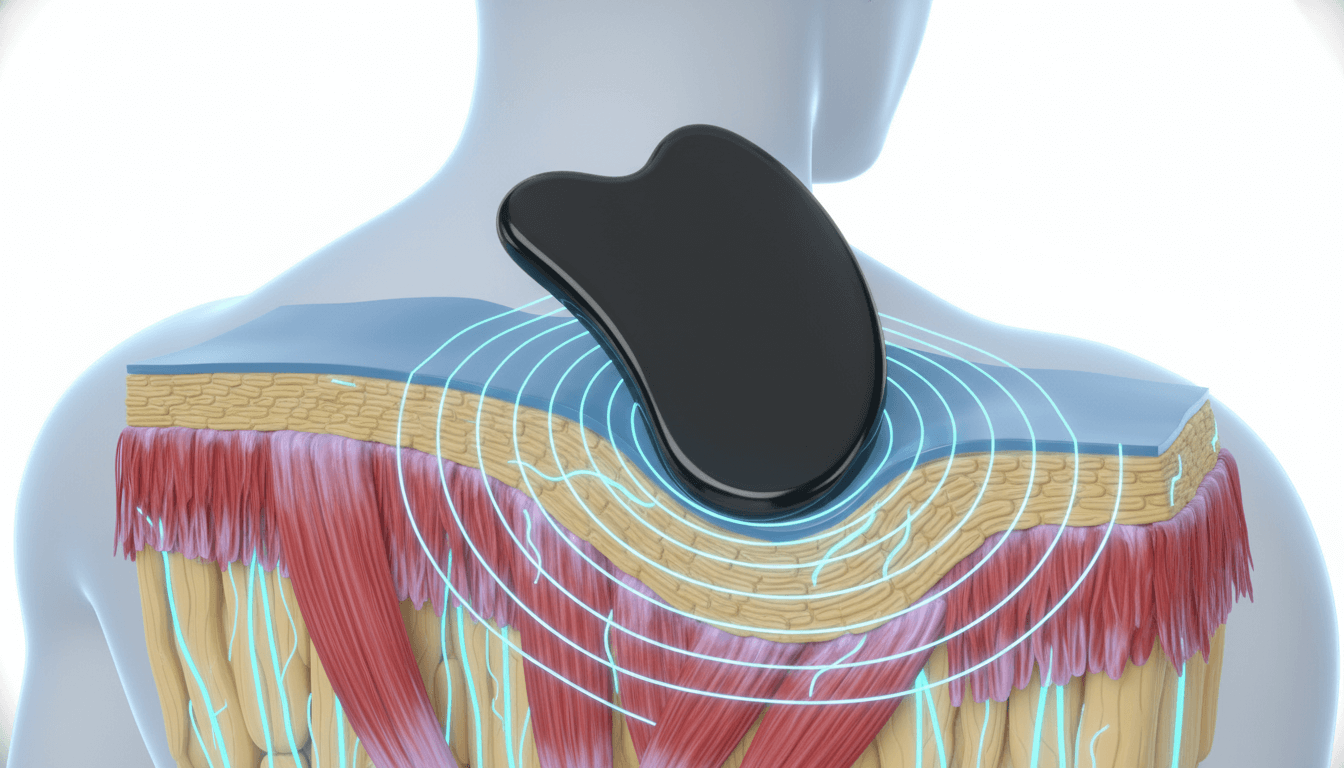
The global popularity of gua sha body practices has grown rapidly over the past decade. Once limited mainly to clinical or household use within East Asian traditions, body gua sha is now widely adopted in spas, wellness centers, and personal self-care routines worldwide. However, as accessibility increases, so does the risk of misunderstanding how this technique should be applied safely.
Unlike facial gua sha, body gua sha involves thicker skin, deeper connective tissue, and larger muscle groups. The margin between therapeutic stimulation and tissue overload is therefore narrower. In real-world usage, many adverse reactions do not stem from the technique itself, but from excessive pressure, poor tool design, or a lack of understanding of skin and tissue limits.
This article focuses on gua sha body safety from a practical, experience-informed, and evidence-aware perspective. Drawing on long-term manufacturing experience, professional user feedback, and cautious reference to established research and guidelines, the goal is not to promote aggressive results, but to support responsible, sustainable use.
What Is Gua Sha Body? A Modern Safety-Focused Definition
Gua Sha Body as Mechanical Skin Stimulation
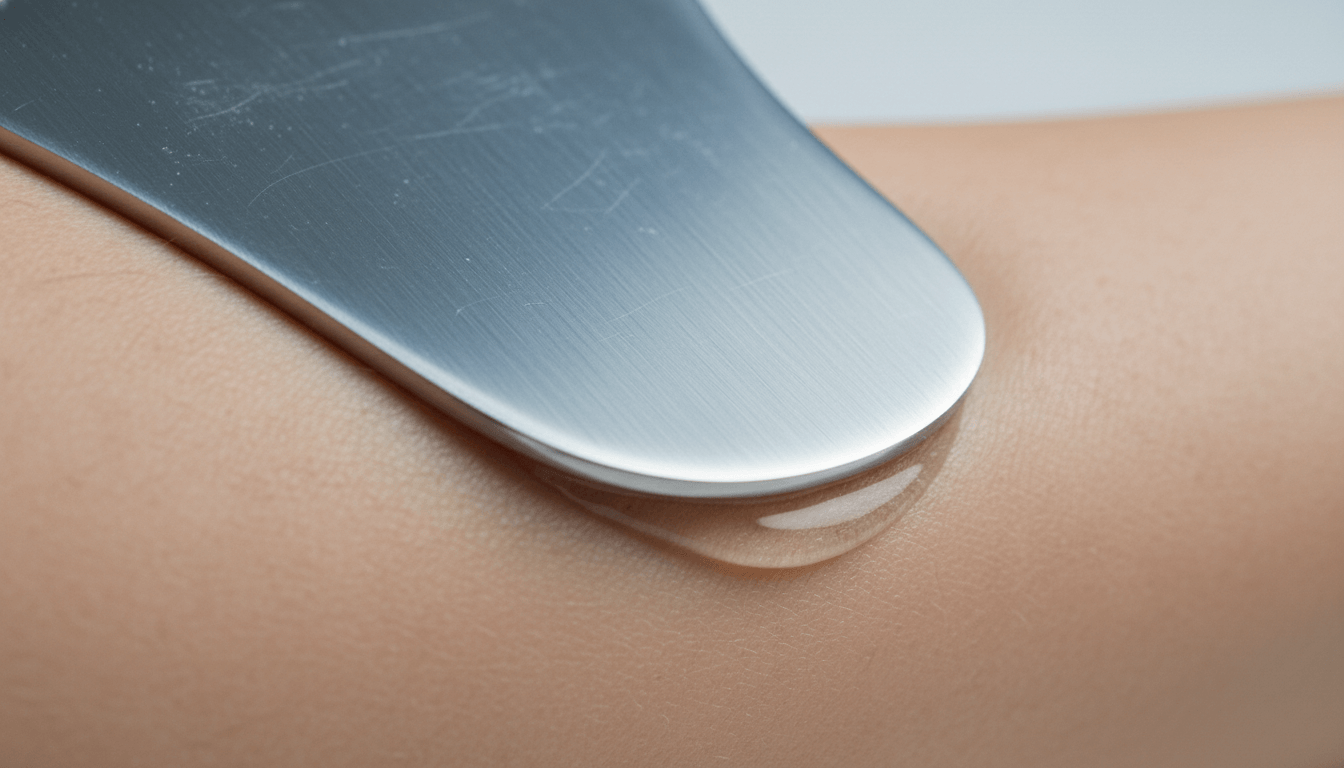
At its core, gua sha body is a form of controlled mechanical stimulation applied to the skin using a smooth-edged tool. The strokes are typically unidirectional and performed with moderate pressure, assisted by oil or lotion to reduce friction.
From a modern physiological perspective, gua sha body affects:
- Superficial blood circulation
- Sensory nerve endings
- Muscle fascia and soft tissue mobility
It is important to recognize that these effects arise from mechanical interaction, not from forceful scraping or tissue damage.
Why Body Gua Sha Requires Higher Safety Awareness Than Facial Gua Sha
Body skin is structurally different from facial skin. While it is generally thicker, it also contains denser capillary networks in certain areas and is more prone to deep bruising when overloaded. Additionally, body gua sha sessions tend to be longer and involve repeated strokes over the same region.
In manufacturing-side feedback collected from spa professionals, body gua sha–related discomfort complaints are significantly more often associated with overuse and pressure misjudgment than with material defects. This highlights why safety education is essential.
Skin Barrier Function, TEWL, and Why Pressure Control Matters
Understanding the Skin Barrier in Gua Sha Body Practice
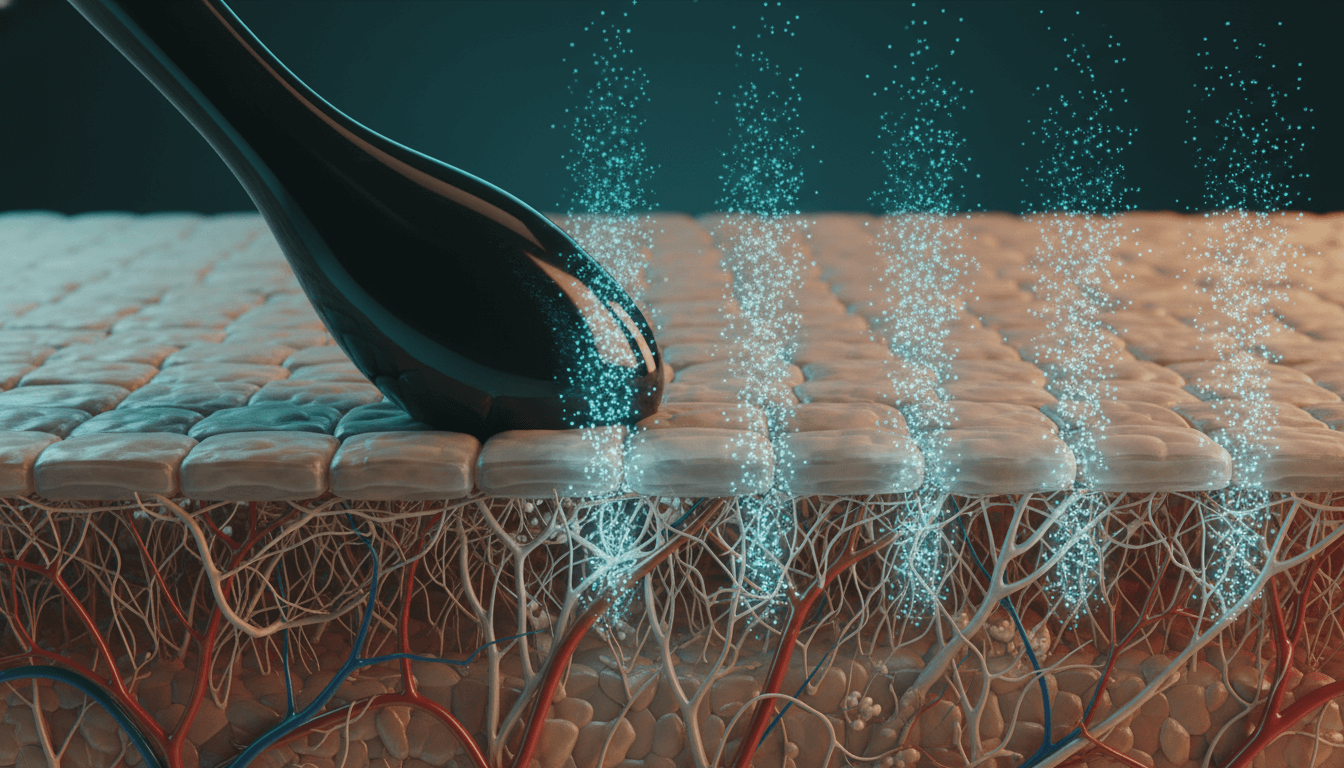
The skin barrier serves as the body’s first line of defense against dehydration, irritation, and microbial invasion. Mechanical stimulation, including scraping or massage, temporarily alters barrier function.
Research published in the British Journal of Dermatology has shown that repeated mechanical stress can increase transepidermal water loss (TEWL), indicating a transient weakening of the skin barrier (Fluhr et al., 2001). While this change is usually reversible, excessive or repeated stress without recovery time may lead to prolonged sensitivity.
Practical Implications for Gua Sha Body Safety
In body gua sha practice, pressure should always remain within a range that produces warmth or mild redness, but not sharp pain or deep discoloration. Persistent soreness or delayed tenderness often indicates barrier overload rather than therapeutic benefit.
From a safety standpoint, lighter pressure applied consistently is more effective than intense pressure applied sporadically.
Selecting Safe Gua Sha Tools for Body Use
Material Safety: Why Surface Quality Is Critical
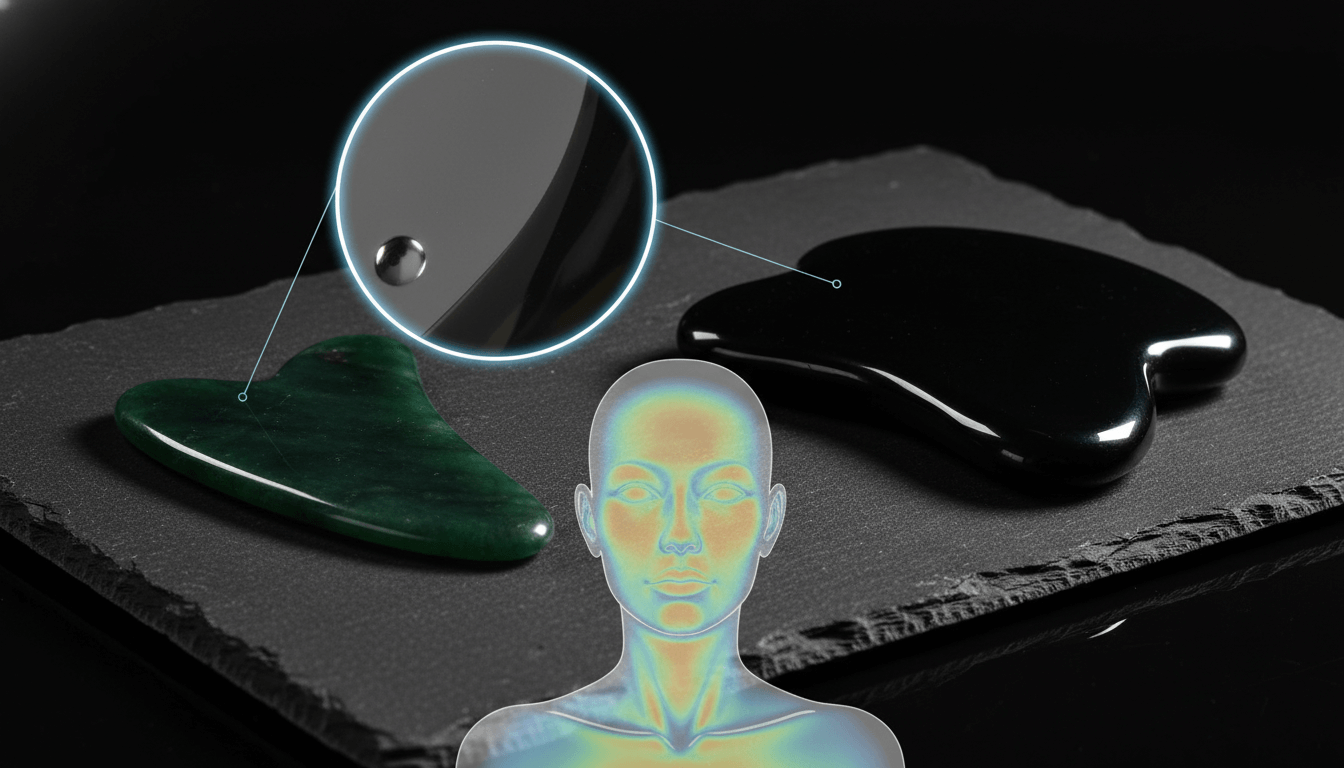
Tool material plays a central role in gua sha body safety. Natural stone tools such as jade, rose quartz, or obsidian are widely used due to their density, thermal stability, and ability to be polished to a high surface smoothness.
During manufacturing quality audits, micro-surface irregularities are one of the most common hidden causes of skin discomfort. Even when a tool appears smooth to the naked eye, microscopic edge defects can increase friction and irritation during repeated strokes.
International manufacturing standards such as ISO guidelines on surface finish emphasize that tools intended for skin contact should minimize micro-abrasive risk. This principle applies directly to gua sha body tools.
Tool Shape and Edge Geometry
For body gua sha, edge geometry often matters more than material. Broader curves and rounded edges distribute pressure across a wider contact area, reducing localized capillary stress.
Feedback from professional users consistently shows that thin or sharply contoured edges generate stronger sensations but also correlate with higher reports of bruising and discomfort. From a safety perspective, comfort is not weakness—it is an indicator of controlled force distribution.
Preparing the Body for a Safe Gua Sha Session
Assessing Skin Condition Before Use
Before performing gua sha body techniques, the skin should be free from:
- Open wounds or active infections
- Acute inflammation or rashes
- Recent sunburn or severe irritation
The American Academy of Dermatology advises avoiding mechanical stimulation on compromised skin, as barrier disruption can worsen inflammation and delay healing.
Ignoring pre-existing skin conditions is one of the most avoidable causes of adverse reactions in home gua sha practice.
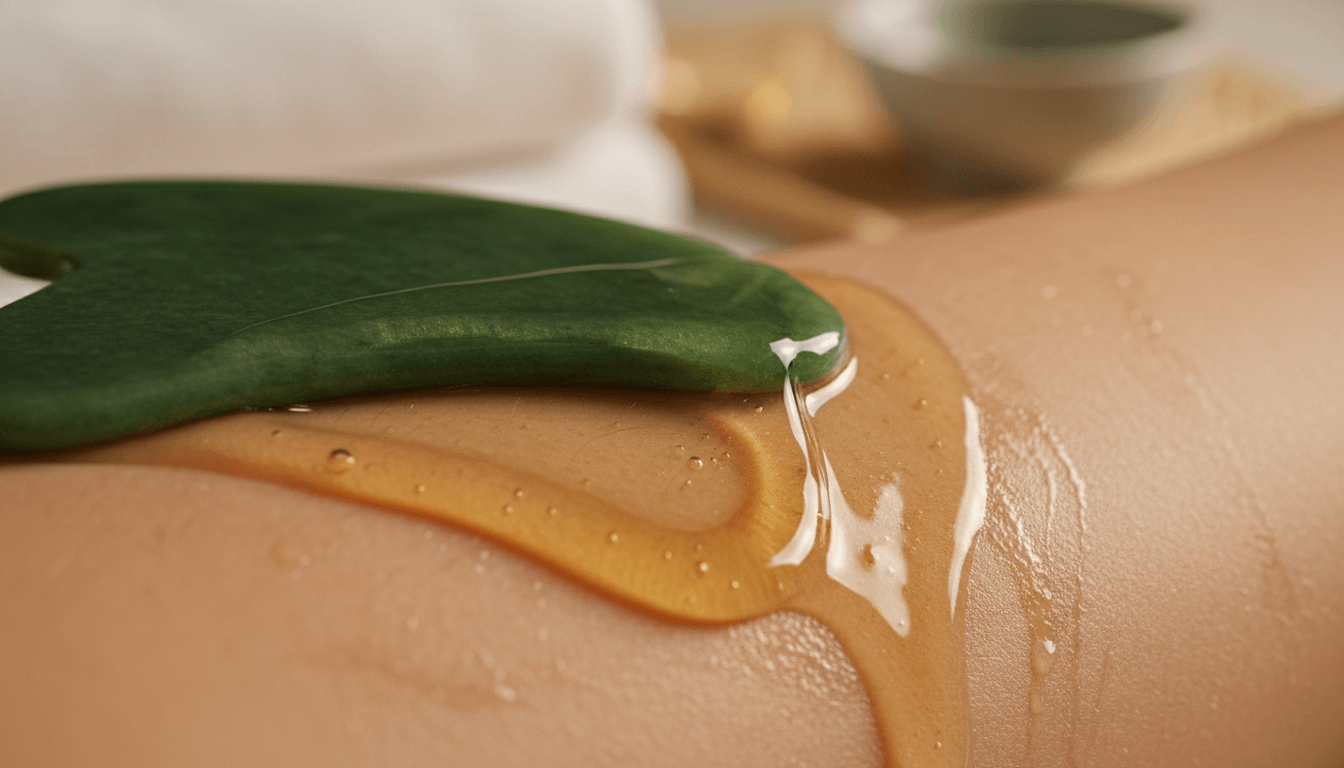
Lubrication and Friction Reduction
Adequate lubrication is essential for safety. Oils reduce shear force between the tool and skin, lowering the risk of barrier disruption. In professional settings, insufficient oil application is one of the most common contributors to bruising complaints.
From a practical standpoint, it is almost impossible to use too much oil, but very easy to use too little.
Safe Gua Sha Body Techniques: Pressure, Direction, and Timing
Stroke Direction and Consistency
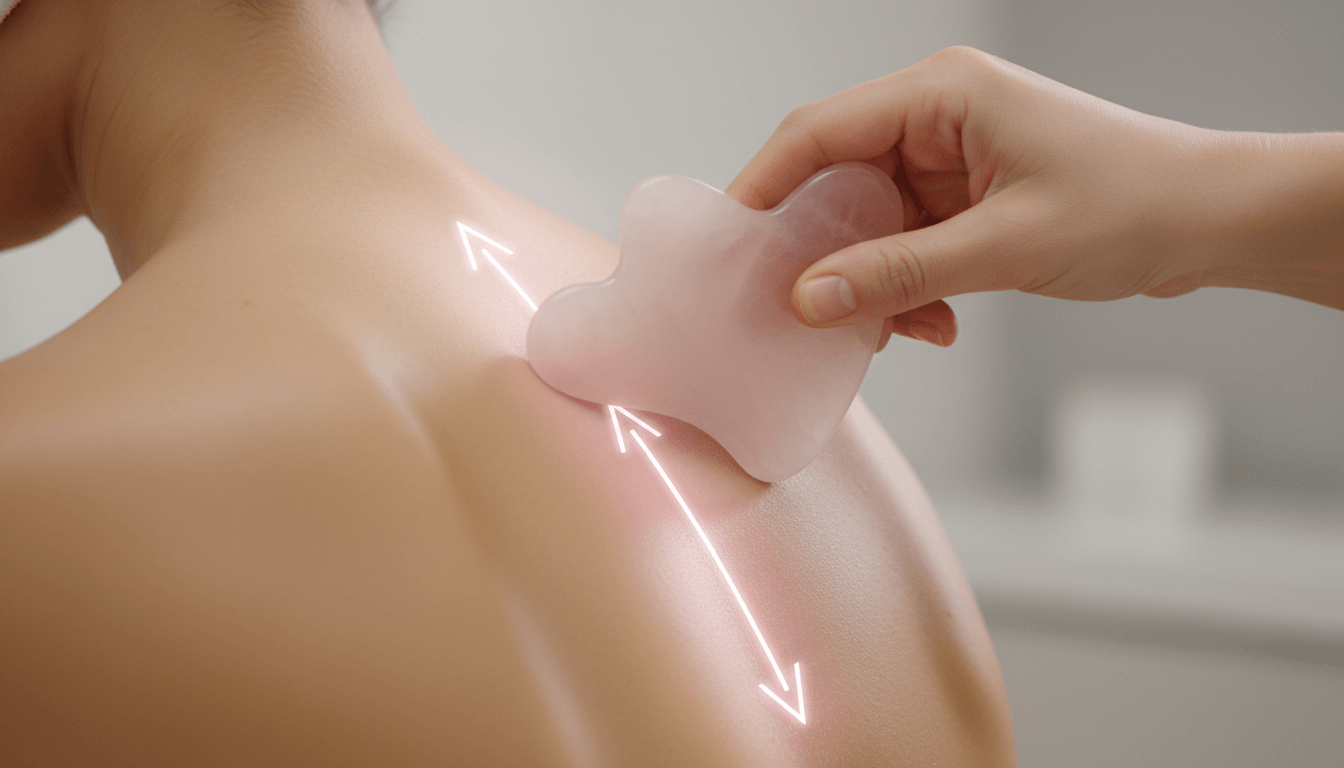
Modern gua sha body practice typically favors long, consistent strokes rather than short, repetitive scraping. While traditional descriptions reference meridian pathways, safety depends less on exact direction and more on consistency and control.
Abrupt back-and-forth movements increase friction and tissue stress. In contrast, steady unidirectional strokes allow the skin to adapt gradually.
Pressure Regulation Based on Tissue Feedback
Pressure should always be guided by tissue response rather than visual appearance. Mild warmth, relaxation, or a sense of release are appropriate indicators. Sharp pain, numbness, or intense discoloration are warning signs.
Microcirculation research published in the Journal of Investigative Dermatology indicates that increased blood flow can be achieved without capillary rupture (Stücker et al., 2002). Therefore, visible bruising is not a requirement for effectiveness.
Session Duration and Frequency
For most body areas, five to ten minutes per session is sufficient. Overworking a single area increases cumulative tissue stress without proportional benefit.
As a general safety guideline:
- Beginners: 1–2 sessions per week
- Experienced users: up to 3 sessions per week
Daily intensive scraping increases the risk of delayed soreness and inflammation.
Common Safety Mistakes in Gua Sha Body Practice
Mistaking Bruising for Therapeutic Success
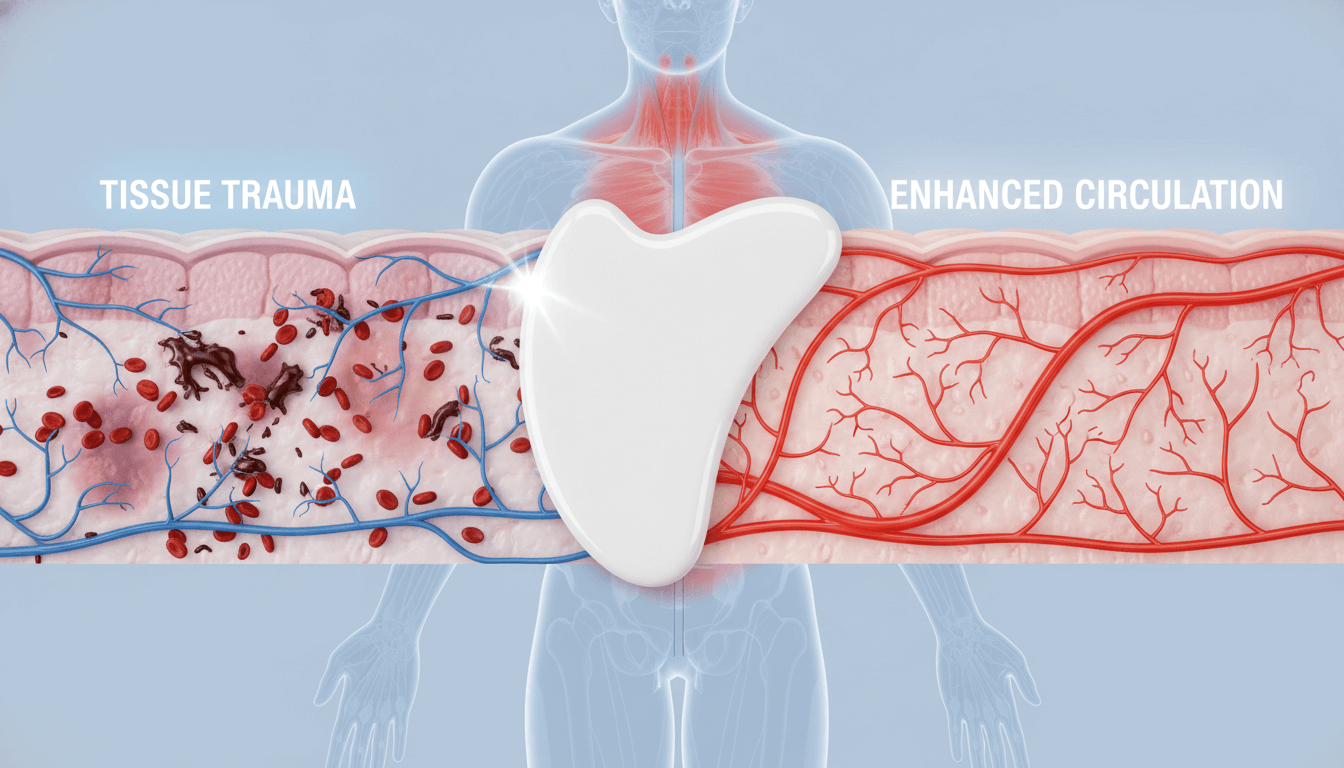
One of the most persistent misconceptions is that darker “sha” marks indicate better outcomes. In reality, bruising reflects capillary damage rather than enhanced circulation.
Repeated exposure to mechanical trauma can increase the risk of post-inflammatory hyperpigmentation, particularly in individuals with darker skin tones. Dermatological literature consistently advises minimizing unnecessary skin injury to reduce pigmentation risk.
Applying Uniform Pressure to All Body Areas
Different body regions tolerate pressure differently. The back and thighs may accept moderate force, while the neck, inner arms, or areas near joints require much lighter touch.
Copying pressure levels across all areas is a common beginner error that leads to localized injury.
Medical Contraindications and High-Risk Groups
Who Should Avoid or Modify Gua Sha Body Use
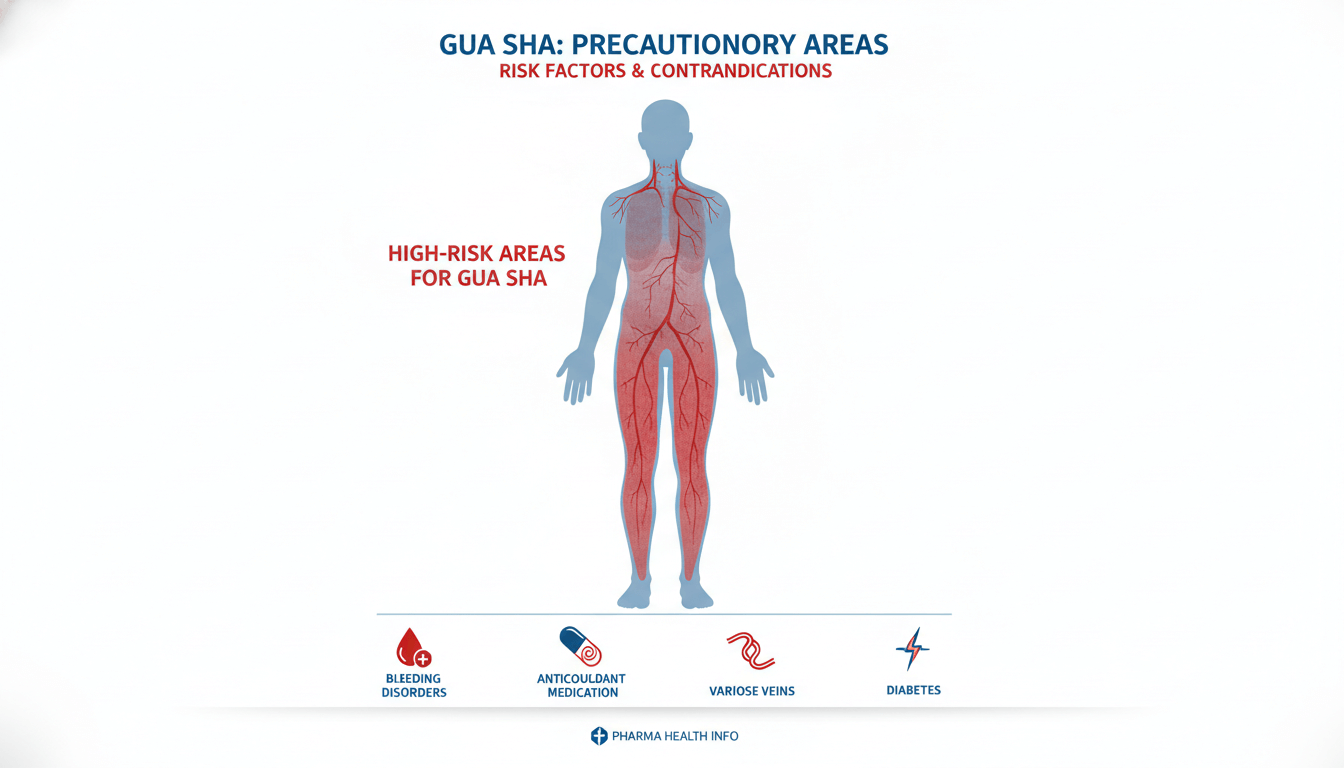
Gua sha body techniques are not suitable for everyone. Individuals with the following conditions should exercise caution or avoid use altogether:
- Bleeding disorders
- Use of anticoagulant medication
- Severe varicose veins
- Advanced diabetes with impaired sensation
The National Center for Complementary and Integrative Health (NCCIH) emphasizes that scraping therapies may increase bruising risk in these populations.
When Professional Advice Is Necessary
If there is uncertainty regarding medical suitability, consultation with a qualified healthcare provider is strongly recommended. Self-care techniques should never replace medical evaluation when underlying conditions are present.
Temperature Control and Environmental Factors
Cold vs. Warm Tools
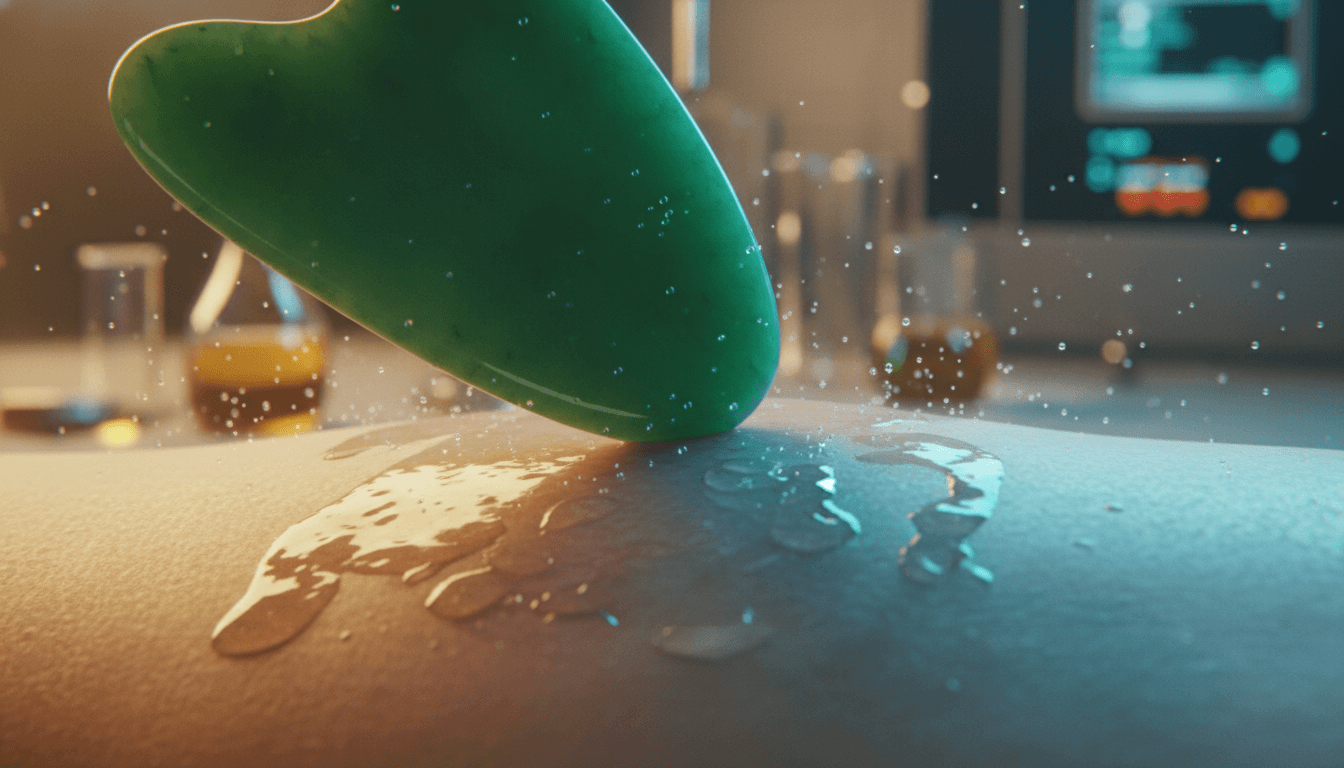
Temperature influences tissue response. Mildly warm tools may enhance muscle relaxation, while cool tools can calm surface inflammation. However, extreme temperatures introduce unnecessary risk.
Heating tools above body temperature increases burn risk, while excessive cold can cause numbness and impair sensory feedback. Safe practice always prioritizes subtle temperature variation.
Environmental Considerations
Dry environments increase friction and amplify barrier stress. Adjusting room humidity and ensuring adequate lubrication significantly improves safety, especially during longer sessions.
Integrating Traditional Chinese Medicine Concepts Responsibly
Meridians as Awareness Frameworks, Not Anatomical Claims
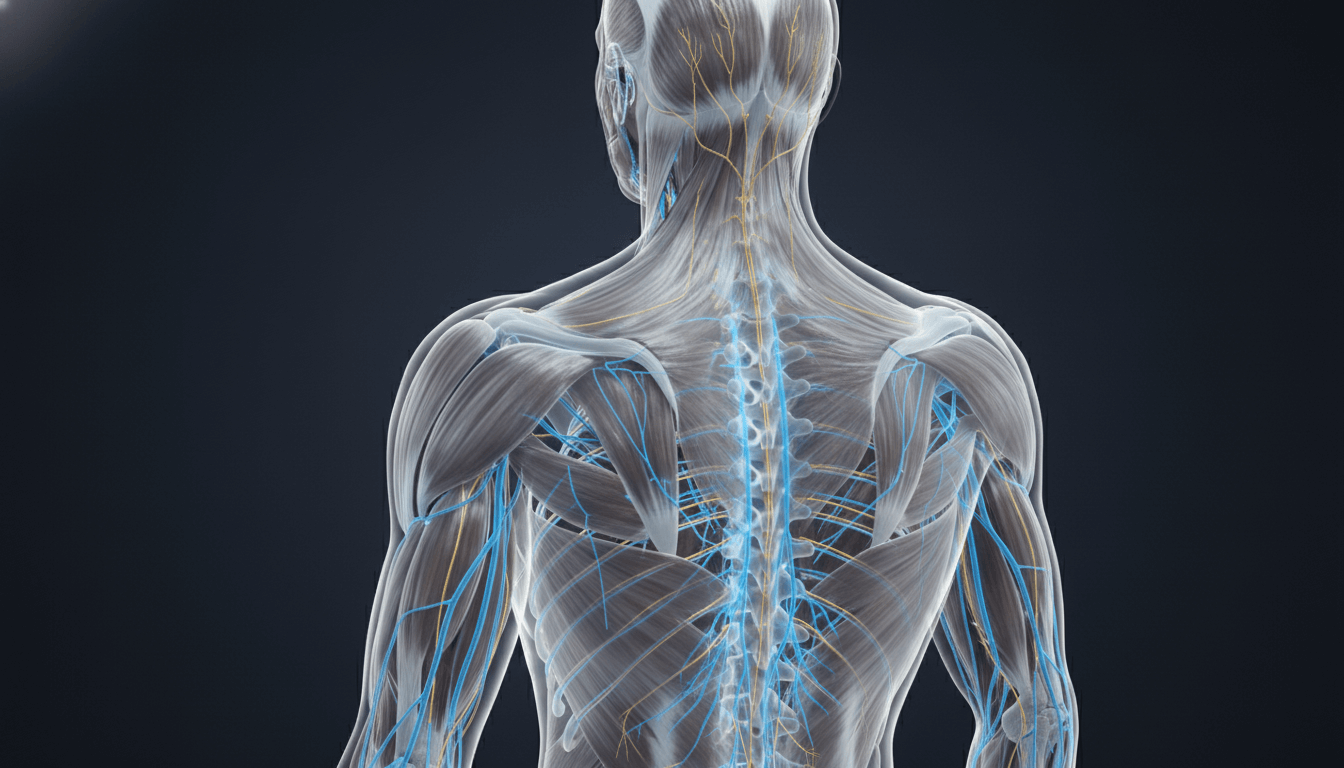
Traditional Chinese Medicine describes gua sha body practice in relation to meridians and acupoints. While these concepts hold historical and cultural value, scientific validation remains limited.
Some overlap exists between meridian pathways and nerve or muscle lines, which may partly explain perceived benefits. However, safety decisions should always be based on observable physical responses, not theoretical maps.
International Health Perspectives
The World Health Organization acknowledges the traditional use of gua sha while emphasizing cautious interpretation and modern safety awareness. This balanced view supports respectful integration without overstating claims.
Aftercare: Supporting Recovery After Gua Sha Body Sessions
Immediate Post-Session Care
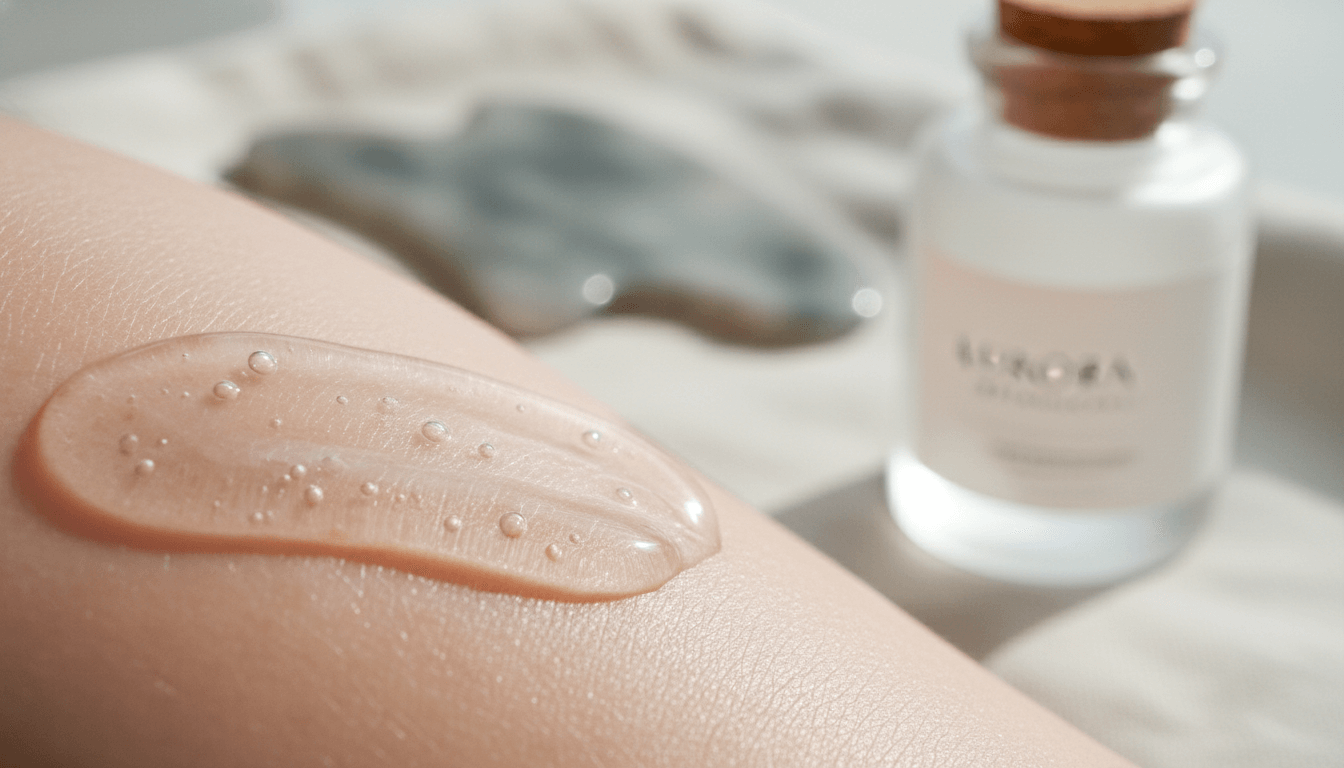
After gua sha body practice, the skin barrier is temporarily more permeable. Applying a calming moisturizer or light oil helps restore hydration and barrier integrity.
Avoid intense heat, sun exposure, or additional exfoliation for at least 24 hours to minimize irritation risk.
Monitoring Delayed Responses
Mild soreness or redness that resolves within a few days is generally acceptable. Persistent pain, swelling, or unusual discoloration indicates excessive force and warrants discontinuation until recovery is complete.
Building a Sustainable and Safe Gua Sha Body Routine
Prioritizing Progression Over Intensity
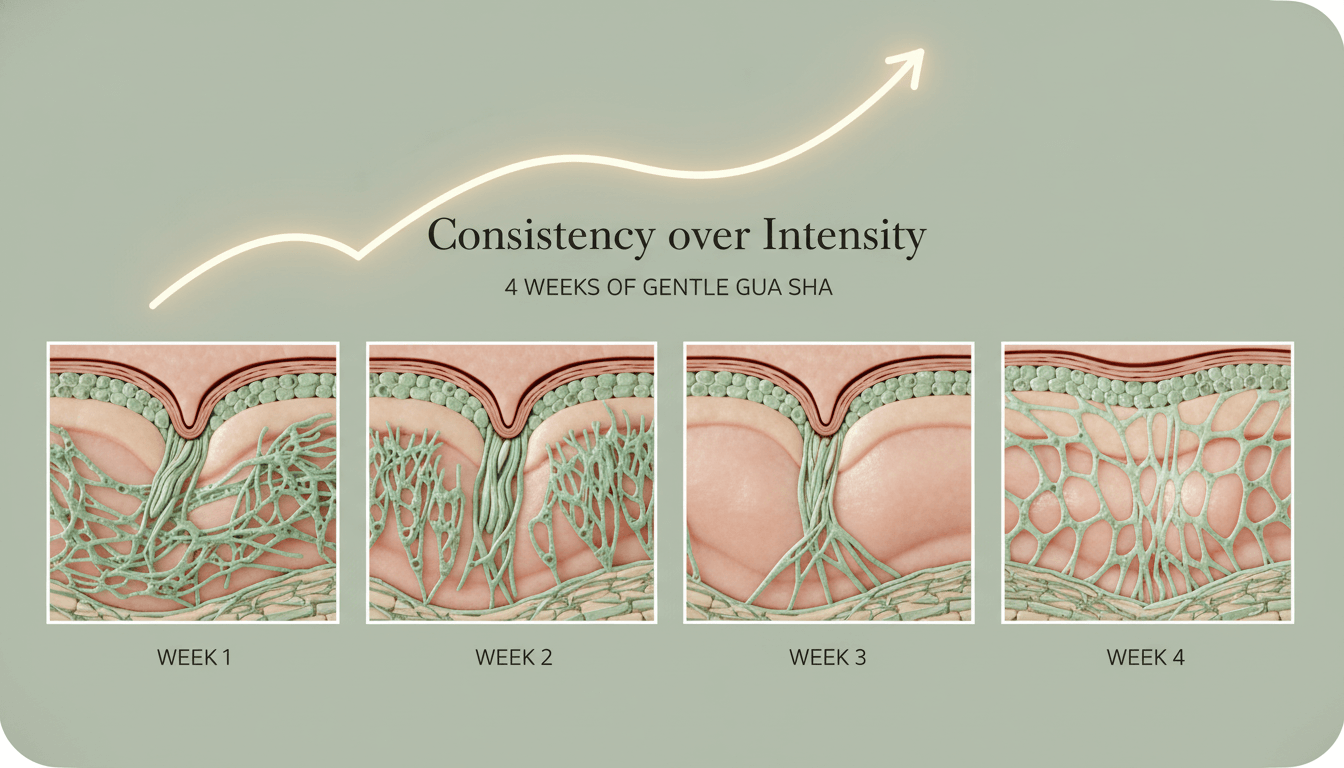
Safe gua sha body practice develops gradually. Users who increase intensity too quickly are more likely to experience setbacks. In contrast, consistent moderate practice produces better long-term outcomes with fewer adverse effects.
From long-term professional feedback, sustainable routines result in higher satisfaction and fewer complaints than aggressive approaches.
Knowing When to Stop
Rest is a critical component of safety. Listening to tissue feedback and allowing adequate recovery time is not optional—it is essential.
Authority Statement
This article is written from the perspective of a long-term gua sha tool manufacturer working closely with spa practitioners, distributors, and professional therapists worldwide. While not a medical authority, Deyi Gems focuses on translating manufacturing standards, material safety principles, and real-world usage feedback into practical, risk-aware guidance for consumers and professionals.
Medical Disclaimer
This content is for educational purposes only and does not constitute medical advice. Gua sha body techniques may not be suitable for everyone. Individuals with medical conditions or concerns should consult a qualified healthcare professional before use.
References
- Fluhr JW et al. British Journal of Dermatology, 2001 – Mechanical stress and skin barrier function
- Stücker M et al. Journal of Investigative Dermatology, 2002 – Cutaneous microcirculation
- National Center for Complementary and Integrative Health (NCCIH) – Scraping therapies safety overview
- American Academy of Dermatology – Skin barrier protection and mechanical irritation
- World Health Organization – Traditional medicine overview
- ISO – Surface finish and skin – contact safety principles