Gerry Ou

With over 10 years of experience in the gua sha industry, I possess a considerable understanding of the field. This includes in-depth knowledge of industry trends, product characteristics, and usage tutorials.

after gua sha

Abnormal Reactions After Gua Sha & Recovery Strategies: What You Should Know?

Every year, millions of people integrate gua sha into their wellness routines — and the momentum is only growing. According to the Global Wellness Institute, the traditional skin-tool wellness category has expanded by over 40% in the past three years alone, with jade and crystal tools representing a growing share of that increase. Yet despite that surge in popularity, one question continues to surface in wellness communities, practitioner consultations, and online forums with remarkable consistency: is what I am feeling after my session actually gua sha normal? That question deserves a direct, honest answer — and that is exactly what this guide provides. Some post-session responses are simply your body doing what it does. Others are signals worth slowing down for. And far too many people react to one when they should be responding to the other. Understanding the full picture — from identifying gua sha side effects to building smarter habits gua sha before and after gua sha each session — is the foundation of a practice that consistently delivers results without unnecessary discomfort. This guide walks you through all of it, step by step. What Does “Gua Sha Normal” Feel Like? Setting the Right Expectations Before You Begin Before you pick up a tool, the most practical investment you can make is understanding what to expect on the other side of a session. A 2022 consumer wellness survey by Mintel found that 68% of first-time gua sha users reported feeling surprised by their skin’s response — even when that response was entirely expected and benign. That gap between expectation and lived experience is where unnecessary worry takes root, and closing it before you begin is one of the most overlooked gua sha benefits you can give yourself. Gua sha before each session, take a few moments to check in honestly: Are you well-rested? Have you eaten something light? Is your skin adequately hydrated? These variables directly shape what your body does in the hours that follow. Practitioners with years of hands-on experience consistently report that sessions conducted when the body is in a stable, nourished state tend to produce the most comfortable after gua sha responses. This is not coincidence. It reflects the straightforward reality that your body’s recovery resources are finite — and starting from a position of balance gives those resources far more to work with. If you walk into a session depleted, do not be surprised when your body’s response reflects that. Is there a single rule for what counts as gua sha normal? Not exactly — because individual variation is genuinely wide. What you can do is establish your own reference range across several sessions, using consistent pre-session conditions as your control variable. Is Feeling Tired After Gua Sha Normal? What Your Body Is Telling You Fatigue following a gua sha session is one of the most frequently reported post-session experiences — and also one of the most widely misunderstood. When you apply rhythmic, sustained pressure and movement across the skin’s surface, your body responds by adjusting circulation and muscle tension in the worked area. A sense of heaviness or mild tiredness can settle in for several hours afterward, and for the vast majority of users, this falls clearly within gua sha normal territory. If you feel rested again after a full night of sleep and adequate water intake, that is your baseline functioning exactly as it should. What is worth paying closer attention to is the duration of that fatigue, not its initial presence. Research published in Evidence-Based Complementary and Alternative Medicine notes that post-session fatigue in traditional skin-tool wellness practices is typically transient and resolves within 12 to 24 hours in users following appropriate technique. If your tiredness persists significantly beyond that window without improvement, it is worth adjusting your approach for your next session — reducing pressure, shortening duration, or increasing the recovery interval between sessions. Adjusting your approach, rather than abandoning the practice altogether, consistently produces better long-term outcomes. The intensity of post-session fatigue also tracks closely with technique. Understanding how to use gua sha with appropriate pressure and duration is the most direct lever you have over this particular response. Longer sessions with heavier pressure naturally produce more pronounced tiredness; shorter, gentler sessions in a single focused area tend to generate milder, more quickly resolved responses. This means that you are always in a position to influence your outcome — the variable is technique, not the practice itself. Gua Sha Normal: Understanding Skin Marks and Redness After a Session The visible marks that appear on the skin during and after gua sha are arguably the most visually alarming aspect of the experience for new users — and also the most consistently misunderstood. Seeing them for the first time can be startling, but on intact, non-sensitized skin that has been approached with appropriate technique, these marks are a well-documented feature of gua sha normal sessions. According to the National Center for Complementary and Integrative Health (NCCIH), temporary skin discoloration following gua sha is an expected, typically self-resolving response that most practitioners treat as a routine part of the experience. For most skin types, these marks fade within two to five days. Their depth of color varies based on several factors: the pressure level applied, the tool’s surface finish and edge geometry, the specific body area being worked on, and how hydrated your skin was at the start of the session. A darker mark does not automatically signal that something went wrong — it reflects the session’s intensity and your skin’s individual response pattern. What moves a response outside gua sha normal range is not the mark itself, but what the skin does in the days that follow: marks that intensify rather than fade, areas that develop persistent swelling, or any disruption to the skin surface are worth observing carefully and responding to with a reduction in session intensity. This means that tracking your skin’s day-over-day trajectory — rather than reacting to how it looks in the immediate aftermath of

Abnormal Reactions After Gua Sha & Recovery Strategies: What You Should Know? Read More »

Every year, millions of people integrate gua sha into their wellness routines — and the momentum is only growing. According to the Global Wellness Institute, the traditional skin-tool wellness category has expanded by over 40% in the past three years alone, with jade and crystal tools representing a growing share of that increase. Yet despite that surge in popularity, one question continues to surface in wellness communities, practitioner consultations, and online forums with remarkable consistency: is what I am feeling after my session actually gua sha normal? That question deserves a direct, honest answer — and that is exactly what this guide provides. Some post-session responses are simply your body doing what it does. Others are signals worth slowing down for. And far too many people react to one when they should be responding to the other. Understanding the full picture — from identifying gua sha side effects to building smarter habits gua sha before and after gua sha each session — is the foundation of a practice that consistently delivers results without unnecessary discomfort. This guide walks you through all of it, step by step. What Does “Gua Sha Normal” Feel Like? Setting the Right Expectations Before You Begin Before you pick up a tool, the most practical investment you can make is understanding what to expect on the other side of a session. A 2022 consumer wellness survey by Mintel found that 68% of first-time gua sha users reported feeling surprised by their skin’s response — even when that response was entirely expected and benign. That gap between expectation and lived experience is where unnecessary worry takes root, and closing it before you begin is one of the most overlooked gua sha benefits you can give yourself. Gua sha before each session, take a few moments to check in honestly: Are you well-rested? Have you eaten something light? Is your skin adequately hydrated? These variables directly shape what your body does in the hours that follow. Practitioners with years of hands-on experience consistently report that sessions conducted when the body is in a stable, nourished state tend to produce the most comfortable after gua sha responses. This is not coincidence. It reflects the straightforward reality that your body’s recovery resources are finite — and starting from a position of balance gives those resources far more to work with. If you walk into a session depleted, do not be surprised when your body’s response reflects that. Is there a single rule for what counts as gua sha normal? Not exactly — because individual variation is genuinely wide. What you can do is establish your own reference range across several sessions, using consistent pre-session conditions as your control variable. Is Feeling Tired After Gua Sha Normal? What Your Body Is Telling You Fatigue following a gua sha session is one of the most frequently reported post-session experiences — and also one of the most widely misunderstood. When you apply rhythmic, sustained pressure and movement across the skin’s surface, your body responds by adjusting circulation and muscle tension in the worked area. A sense of heaviness or mild tiredness can settle in for several hours afterward, and for the vast majority of users, this falls clearly within gua sha normal territory. If you feel rested again after a full night of sleep and adequate water intake, that is your baseline functioning exactly as it should. What is worth paying closer attention to is the duration of that fatigue, not its initial presence. Research published in Evidence-Based Complementary and Alternative Medicine notes that post-session fatigue in traditional skin-tool wellness practices is typically transient and resolves within 12 to 24 hours in users following appropriate technique. If your tiredness persists significantly beyond that window without improvement, it is worth adjusting your approach for your next session — reducing pressure, shortening duration, or increasing the recovery interval between sessions. Adjusting your approach, rather than abandoning the practice altogether, consistently produces better long-term outcomes. The intensity of post-session fatigue also tracks closely with technique. Understanding how to use gua sha with appropriate pressure and duration is the most direct lever you have over this particular response. Longer sessions with heavier pressure naturally produce more pronounced tiredness; shorter, gentler sessions in a single focused area tend to generate milder, more quickly resolved responses. This means that you are always in a position to influence your outcome — the variable is technique, not the practice itself. Gua Sha Normal: Understanding Skin Marks and Redness After a Session The visible marks that appear on the skin during and after gua sha are arguably the most visually alarming aspect of the experience for new users — and also the most consistently misunderstood. Seeing them for the first time can be startling, but on intact, non-sensitized skin that has been approached with appropriate technique, these marks are a well-documented feature of gua sha normal sessions. According to the National Center for Complementary and Integrative Health (NCCIH), temporary skin discoloration following gua sha is an expected, typically self-resolving response that most practitioners treat as a routine part of the experience. For most skin types, these marks fade within two to five days. Their depth of color varies based on several factors: the pressure level applied, the tool’s surface finish and edge geometry, the specific body area being worked on, and how hydrated your skin was at the start of the session. A darker mark does not automatically signal that something went wrong — it reflects the session’s intensity and your skin’s individual response pattern. What moves a response outside gua sha normal range is not the mark itself, but what the skin does in the days that follow: marks that intensify rather than fade, areas that develop persistent swelling, or any disruption to the skin surface are worth observing carefully and responding to with a reduction in session intensity. This means that tracking your skin’s day-over-day trajectory — rather than reacting to how it looks in the immediate aftermath of

2025 Wholesale Gua Sha Trends: 5 Innovative Picks for the New Market Landscape

As global wellness trends continue to evolve, gua sha tools are stepping beyond their traditional roots. Once a niche category found in TCM clinics and spas, gua sha has now become a versatile, multi-channel product line—from skincare to sports recovery and even smart wellness tech. If you’re a wholesaler looking for the next big thing in 2025, these gua sha top 5 products should be on your radar. 1. Gua Sha Trends – Tech-Enhanced Guasha Devices (EMS + Heat Therapy) The modern consumer wants more than tradition—they want technology. EMS-enabled gua sha tools combine electrical stimulation with thermal therapy and red light features, offering a futuristic spin on an age-old technique. 2. Cold-Grade Stainless Steel Gua Sha Boards Clinical, modern, and minimalist—stainless steel gua sha tools are gaining traction thanks to their hygiene appeal and long-term durability. Particularly popular in North America and Europe. 3. Gua Sha Trends – Crystal-Based Guasha for Beauty Lovers Rose quartz, amethyst, and jade are still key players in the gua sha scene—especially for self-care enthusiasts and beauty influencers. These tools are prized not just for their skin benefits but also for their aesthetic and “ritual” appeal. 4. Men’s Gua Sha Tools – A New Niche Emerging While gua sha has traditionally catered to women, men’s wellness is on the rise, and targeted gua sha tools are being developed to suit larger hands and muscle groups. 5. Gua Sha Trends – Private Label Collections With the rise of personalized wellness and brand storytelling, private label gua sha sets are in high demand. Retailers and wellness brands are increasingly seeking custom shapes, engraved logos, and exclusive packaging. Bonus Insight: The Gua Sha Market Is Getting Smarter Today’s wholesale buyers aren’t just looking for low-cost tools—they want high-perceived value, product education, and differentiation. Gua sha is no longer a one-size-fits-all item; it’s a flexible platform for innovation. Whether you’re building a wellness brand or scaling your cross-border e-commerce business, aligning with these gua sha trends will put you ahead of the curve.

2025 Wholesale Gua Sha Trends: 5 Innovative Picks for the New Market Landscape Read More »

As global wellness trends continue to evolve, gua sha tools are stepping beyond their traditional roots. Once a niche category found in TCM clinics and spas, gua sha has now become a versatile, multi-channel product line—from skincare to sports recovery and even smart wellness tech. If you’re a wholesaler looking for the next big thing in 2025, these gua sha top 5 products should be on your radar. 1. Gua Sha Trends – Tech-Enhanced Guasha Devices (EMS + Heat Therapy) The modern consumer wants more than tradition—they want technology. EMS-enabled gua sha tools combine electrical stimulation with thermal therapy and red light features, offering a futuristic spin on an age-old technique. 2. Cold-Grade Stainless Steel Gua Sha Boards Clinical, modern, and minimalist—stainless steel gua sha tools are gaining traction thanks to their hygiene appeal and long-term durability. Particularly popular in North America and Europe. 3. Gua Sha Trends – Crystal-Based Guasha for Beauty Lovers Rose quartz, amethyst, and jade are still key players in the gua sha scene—especially for self-care enthusiasts and beauty influencers. These tools are prized not just for their skin benefits but also for their aesthetic and “ritual” appeal. 4. Men’s Gua Sha Tools – A New Niche Emerging While gua sha has traditionally catered to women, men’s wellness is on the rise, and targeted gua sha tools are being developed to suit larger hands and muscle groups. 5. Gua Sha Trends – Private Label Collections With the rise of personalized wellness and brand storytelling, private label gua sha sets are in high demand. Retailers and wellness brands are increasingly seeking custom shapes, engraved logos, and exclusive packaging. Bonus Insight: The Gua Sha Market Is Getting Smarter Today’s wholesale buyers aren’t just looking for low-cost tools—they want high-perceived value, product education, and differentiation. Gua sha is no longer a one-size-fits-all item; it’s a flexible platform for innovation. Whether you’re building a wellness brand or scaling your cross-border e-commerce business, aligning with these gua sha trends will put you ahead of the curve.

Full Body Gua Sha: A New Trend Bridging Beauty and Therapy

full body gua sha has attracted widespread attention due to its unique and effective therapeutic effects. Gusha has been used to treat symptoms such as headaches and fever for a long time. For modern people, this is undeniably appealing. Due to prolonged sitting and sedentary lifestyles, many experience sub-health conditions—headaches, sore limbs, stiff muscles, and fatigue. Gua Sha proves to be an excellent method to alleviate these symptoms, leading to a rapid rise in the popularity of full-body Gua Sha. Full Body Gua Sha Dual Benefits of Beauty and Wellness Gua Sha gained significant traction in Western markets for its natural beauty-enhancing properties. Now, its therapeutic benefits are drawing renewed attention. Beauty Benefits of Gua Sha: Health Benefits of Gua Sha: Three Major Drivers Behind the Full Body Gua Sha Boom 1. Growing Trust in Natural Therapies There’s a Chinese saying: “All medicines have some degree of toxicity.” It means that no matter how beneficial a medicine is, it can still carry side effects. Hence, people are increasingly seeking non-pharmaceutical healing methods. Natural therapies like Gua Sha are gaining favor for their gentler impact and suitability for long-term use. 2. Social Media Influence Gua Sha videos quickly became popular on platforms such as TikTok and YouTube. Various beauty and health bloggers showed their Gua Sha experiences and shared their personal experiences. This greatly promoted the global popularity of Gua Sha products. 3. Industry Upgrades and Tool Accessibility Industry advancement is inevitable. Numerous spas and TCM (Traditional Chinese Medicine) clinics have begun offering full body meridian Gua Sha services to expand their offerings and attract more clients. Meanwhile, the segmentation of Gua Sha tools is becoming increasingly refined—different materials and shapes are designed for specific needs and user groups. Industry Opportunities and Future Outlook There is a Chinese proverb that says: “Life is like sailing against the current. If you don’t advance, you will retreat.” This saying is not only true for people, but also for enterprises. If you cannot follow the trend of the times and go against the current, the final result can only be elimination: Full body Gua Sha has evolved from an “ancient healing method” to a modern consumer experience that blends beauty, health, and wellness. Whether you’re a service provider, brand owner, or distributor, there’s a promising growth path in this expanding market trend.

Full Body Gua Sha: A New Trend Bridging Beauty and Therapy Read More »

full body gua sha has attracted widespread attention due to its unique and effective therapeutic effects. Gusha has been used to treat symptoms such as headaches and fever for a long time. For modern people, this is undeniably appealing. Due to prolonged sitting and sedentary lifestyles, many experience sub-health conditions—headaches, sore limbs, stiff muscles, and fatigue. Gua Sha proves to be an excellent method to alleviate these symptoms, leading to a rapid rise in the popularity of full-body Gua Sha. Full Body Gua Sha Dual Benefits of Beauty and Wellness Gua Sha gained significant traction in Western markets for its natural beauty-enhancing properties. Now, its therapeutic benefits are drawing renewed attention. Beauty Benefits of Gua Sha: Health Benefits of Gua Sha: Three Major Drivers Behind the Full Body Gua Sha Boom 1. Growing Trust in Natural Therapies There’s a Chinese saying: “All medicines have some degree of toxicity.” It means that no matter how beneficial a medicine is, it can still carry side effects. Hence, people are increasingly seeking non-pharmaceutical healing methods. Natural therapies like Gua Sha are gaining favor for their gentler impact and suitability for long-term use. 2. Social Media Influence Gua Sha videos quickly became popular on platforms such as TikTok and YouTube. Various beauty and health bloggers showed their Gua Sha experiences and shared their personal experiences. This greatly promoted the global popularity of Gua Sha products. 3. Industry Upgrades and Tool Accessibility Industry advancement is inevitable. Numerous spas and TCM (Traditional Chinese Medicine) clinics have begun offering full body meridian Gua Sha services to expand their offerings and attract more clients. Meanwhile, the segmentation of Gua Sha tools is becoming increasingly refined—different materials and shapes are designed for specific needs and user groups. Industry Opportunities and Future Outlook There is a Chinese proverb that says: “Life is like sailing against the current. If you don’t advance, you will retreat.” This saying is not only true for people, but also for enterprises. If you cannot follow the trend of the times and go against the current, the final result can only be elimination: Full body Gua Sha has evolved from an “ancient healing method” to a modern consumer experience that blends beauty, health, and wellness. Whether you’re a service provider, brand owner, or distributor, there’s a promising growth path in this expanding market trend.

Extremely Tired or Feeling Like Crying After Gua Sha? Here’s Why

Before we dive into the technical details, we must address that confusing moment after gua sha, only to be hit by a wave of tears, a surge of emotion without warning, or fatigue so deep that getting off the table feels like an exhausting effort. If this has happened to you, here is the conclusion before anything else: This is not a common reaction, but it is a physiologically explainable one. Gua Sha is not merely a local skin treatment; it produces a whole-body biological response that can occasionally express itself through your emotional and nervous systems. Most Gua Sha guides focus exclusively on aspirational benefits like improved circulation, muscle recovery, and skin tone. While accurate, this creates a knowledge gap for those who experience the other end of the spectrum—feeling emotionally flooded or physically depleted. You deserve a complete picture, not a curated one. The following sections provide a structured, four-dimension framework to help you determine whether your body is processing stimulation appropriately or whether you have crossed a threshold that requires a meaningful change in your approach Is Feeling Like Crying After Gua Sha Actually Normal? After gua sha, some people experience something they didn’t expect: a wave of emotion that arrives without warning, tears that have no obvious origin, or a fatigue so deep it makes getting off the table feel like an effort. If that’s happened to you, here is the conclusion before anything else—because this guide prioritizes what you need most, first. This is not a common reaction, but it is a physiologically explainable one. Whether it signals something beneficial or something concerning depends on four specific, measurable dimensions that you can evaluate yourself within 6 to 24 hours after your session. Data from the National Center for Complementary and Integrative Health (NCCIH) confirms that gua sha modifies local microcirculation and activates the autonomic nervous system at a systemic level—which means atypical physical and emotional responses after gua sha are not impossible. A landmark 2011 study published in Pain Medicine (Nielsen et al.) documented that gua sha significantly upregulates heme oxygenase-1 (HO-1), an anti-inflammatory enzyme, within hours of a single session. This tells you something important: gua sha is not a local treatment. It produces a whole-body biological response, and that response can occasionally express itself through your emotional and nervous systems. What this guide is not is a catalog of reassurances. Feeling like crying after gua sha, or feeling gua sha tired to the point of dysfunction, is not something to simply accept or ignore. It is information—specific, interpretable, and actionable information—and this article gives you the framework to read it correctly. What the Data Actually Says About Emotional Reactions After Gua Sha Emotional release following bodywork is documented across multiple therapeutic modalities, but its occurrence specifically after gua sha is classified as a low-frequency phenomenon. That classification is important. It means this reaction is not a design feature of gua sha—it is a response that emerges under specific physiological conditions. And because it reflects a specific condition rather than a universal pattern, it requires a specific analysis rather than a generic answer. The reason most people never encounter content that addresses this honestly is that most gua sha content focuses exclusively on gua sha benefits: improved circulation, muscle recovery, lymphatic drainage, and skin tone. That content is accurate. But it creates a knowledge gap for the minority of users who experience the other end of the response spectrum—those who feel gua sha tired, emotionally flooded, or physically depleted after a session they expected to find restorative. You deserve a complete picture, not a curated one. Why Most Gua Sha Guides Skip This Entirely The gap in available content on gua sha risks is not malicious—it reflects a bias toward what’s aspirational rather than what’s complete. Understanding how to use gua sha correctly includes understanding the conditions under which gua sha can over-stimulate your system, and those conditions are specific enough to identify in advance. Knowing them doesn’t make gua sha more dangerous. It makes your practice safer, more calibrated, and ultimately more effective over time. A therapy you can sustain is always more valuable than one that produces short-term results followed by a crash you don’t know how to interpret. How to Evaluate Your Reaction After Gua Sha: A 4-Dimension Assessment The difference between a healthy response and a harmful one after gua sha is not always visible from the outside—and it cannot be determined from a single symptom. It requires tracking four specific dimensions: how quickly you recover, how your emotional state evolves, what physical sensations accompany the fatigue, and whether the pattern is improving or intensifying over multiple sessions. These four dimensions work as a system. Used together, they give you a structured way to determine whether your body is processing stimulation appropriately—or whether it has crossed a threshold that requires a meaningful change in your approach. Dimension 1 — Recovery Speed After Gua Sha: The 6–24 Hour Diagnostic Window If you feel emotionally drained or physically exhausted after gua sha, the most diagnostically important variable is how long that state lasts. Recovery contained within 6 to 24 hours is consistent with normal physiological processing. Your nervous system received a strong input—through skin and fascial stimulation—and it is running its recalibration cycle. The fatigue or emotional heaviness you feel during that window is not a sign that something is wrong. It is a sign that your body is doing the integration work that gua sha is designed to initiate. If the fatigue or emotional flatness extends beyond 24 hours without meaningful improvement, the interpretation changes. At that point, your body is communicating that the stimulation exceeded its current recovery capacity—and continuing without adjusting your practice will compound the problem rather than allow it to resolve. The 24-hour mark is not a soft guideline. It is the data point that separates a healthy response from one that warrants intervention. Treat it as your first decision point after every session. Dimension 2

Extremely Tired or Feeling Like Crying After Gua Sha? Here’s Why Read More »

Before we dive into the technical details, we must address that confusing moment after gua sha, only to be hit by a wave of tears, a surge of emotion without warning, or fatigue so deep that getting off the table feels like an exhausting effort. If this has happened to you, here is the conclusion before anything else: This is not a common reaction, but it is a physiologically explainable one. Gua Sha is not merely a local skin treatment; it produces a whole-body biological response that can occasionally express itself through your emotional and nervous systems. Most Gua Sha guides focus exclusively on aspirational benefits like improved circulation, muscle recovery, and skin tone. While accurate, this creates a knowledge gap for those who experience the other end of the spectrum—feeling emotionally flooded or physically depleted. You deserve a complete picture, not a curated one. The following sections provide a structured, four-dimension framework to help you determine whether your body is processing stimulation appropriately or whether you have crossed a threshold that requires a meaningful change in your approach Is Feeling Like Crying After Gua Sha Actually Normal? After gua sha, some people experience something they didn’t expect: a wave of emotion that arrives without warning, tears that have no obvious origin, or a fatigue so deep it makes getting off the table feel like an effort. If that’s happened to you, here is the conclusion before anything else—because this guide prioritizes what you need most, first. This is not a common reaction, but it is a physiologically explainable one. Whether it signals something beneficial or something concerning depends on four specific, measurable dimensions that you can evaluate yourself within 6 to 24 hours after your session. Data from the National Center for Complementary and Integrative Health (NCCIH) confirms that gua sha modifies local microcirculation and activates the autonomic nervous system at a systemic level—which means atypical physical and emotional responses after gua sha are not impossible. A landmark 2011 study published in Pain Medicine (Nielsen et al.) documented that gua sha significantly upregulates heme oxygenase-1 (HO-1), an anti-inflammatory enzyme, within hours of a single session. This tells you something important: gua sha is not a local treatment. It produces a whole-body biological response, and that response can occasionally express itself through your emotional and nervous systems. What this guide is not is a catalog of reassurances. Feeling like crying after gua sha, or feeling gua sha tired to the point of dysfunction, is not something to simply accept or ignore. It is information—specific, interpretable, and actionable information—and this article gives you the framework to read it correctly. What the Data Actually Says About Emotional Reactions After Gua Sha Emotional release following bodywork is documented across multiple therapeutic modalities, but its occurrence specifically after gua sha is classified as a low-frequency phenomenon. That classification is important. It means this reaction is not a design feature of gua sha—it is a response that emerges under specific physiological conditions. And because it reflects a specific condition rather than a universal pattern, it requires a specific analysis rather than a generic answer. The reason most people never encounter content that addresses this honestly is that most gua sha content focuses exclusively on gua sha benefits: improved circulation, muscle recovery, lymphatic drainage, and skin tone. That content is accurate. But it creates a knowledge gap for the minority of users who experience the other end of the response spectrum—those who feel gua sha tired, emotionally flooded, or physically depleted after a session they expected to find restorative. You deserve a complete picture, not a curated one. Why Most Gua Sha Guides Skip This Entirely The gap in available content on gua sha risks is not malicious—it reflects a bias toward what’s aspirational rather than what’s complete. Understanding how to use gua sha correctly includes understanding the conditions under which gua sha can over-stimulate your system, and those conditions are specific enough to identify in advance. Knowing them doesn’t make gua sha more dangerous. It makes your practice safer, more calibrated, and ultimately more effective over time. A therapy you can sustain is always more valuable than one that produces short-term results followed by a crash you don’t know how to interpret. How to Evaluate Your Reaction After Gua Sha: A 4-Dimension Assessment The difference between a healthy response and a harmful one after gua sha is not always visible from the outside—and it cannot be determined from a single symptom. It requires tracking four specific dimensions: how quickly you recover, how your emotional state evolves, what physical sensations accompany the fatigue, and whether the pattern is improving or intensifying over multiple sessions. These four dimensions work as a system. Used together, they give you a structured way to determine whether your body is processing stimulation appropriately—or whether it has crossed a threshold that requires a meaningful change in your approach. Dimension 1 — Recovery Speed After Gua Sha: The 6–24 Hour Diagnostic Window If you feel emotionally drained or physically exhausted after gua sha, the most diagnostically important variable is how long that state lasts. Recovery contained within 6 to 24 hours is consistent with normal physiological processing. Your nervous system received a strong input—through skin and fascial stimulation—and it is running its recalibration cycle. The fatigue or emotional heaviness you feel during that window is not a sign that something is wrong. It is a sign that your body is doing the integration work that gua sha is designed to initiate. If the fatigue or emotional flatness extends beyond 24 hours without meaningful improvement, the interpretation changes. At that point, your body is communicating that the stimulation exceeded its current recovery capacity—and continuing without adjusting your practice will compound the problem rather than allow it to resolve. The 24-hour mark is not a soft guideline. It is the data point that separates a healthy response from one that warrants intervention. Treat it as your first decision point after every session. Dimension 2

gua sha wholesale supplier

Key Points to Focus on Top Gua Sha Wholesale Suppliers in 2025

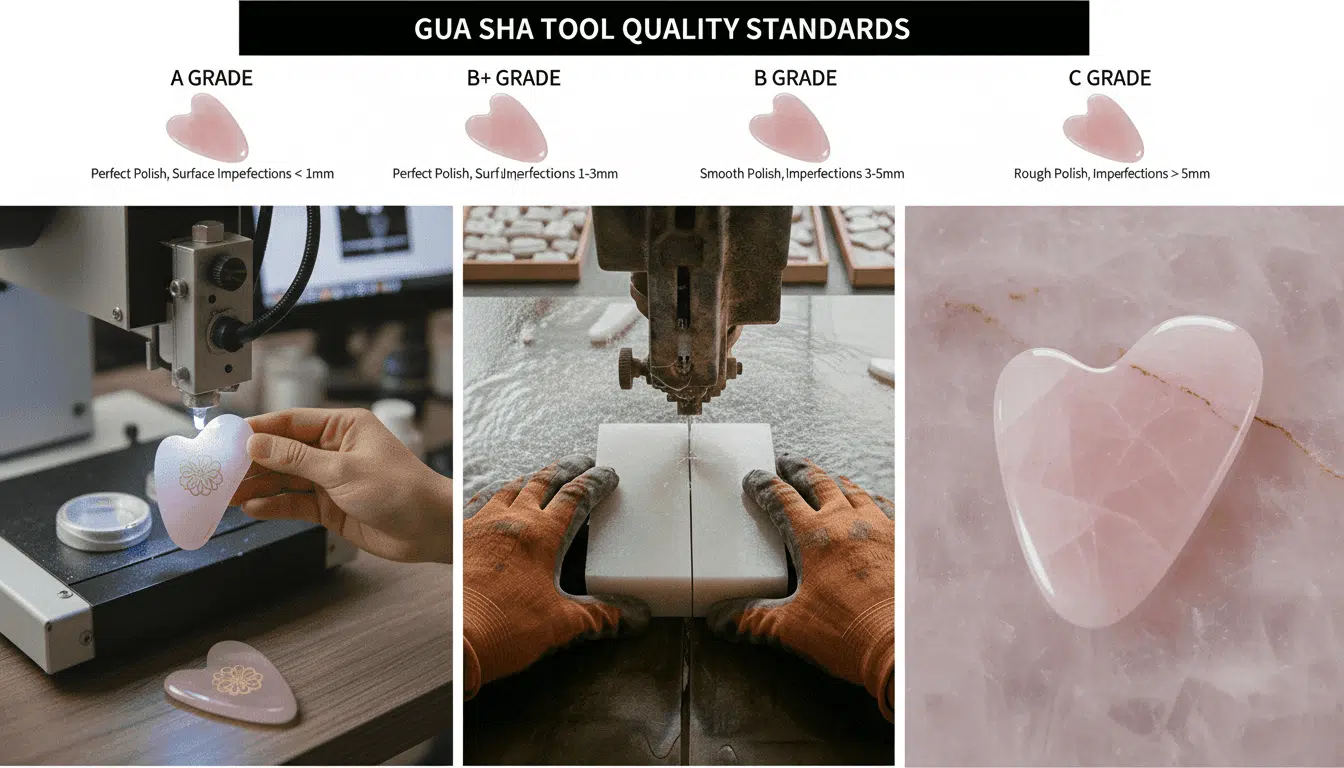
In 2025, the popularity of Gua Sha has not diminished, and many people are still looking for high-quality Gua Sha wholesale suppliers to improve their brand competitiveness. If you also want to start a business by reselling Gua Sha tools, this article will provide you with some tips and help. In this article, we will explain to you a few points to pay attention to when choosing a Gua Sha supplier. These are the key factors that determine whether the supplier is worth long-term cooperation. One of the Characteristics of the Top Gua Sha Wholesale Suppliers – Innovation and Research and Development As the competition in the gua sha market intensifies (whether retail or wholesale), the homogeneity of market products is becoming more and more serious, making it difficult for customers to make choices based on products. They can often only choose products based on factors such as price or brand, and sellers cannot effectively differentiate their products from competitors. In addition, the homogeneity phenomenon can easily lead to a vicious cycle of winning by price. Since the product cannot win, it will oppress its peers by reducing prices, forcing them to give up, and may eventually form a monopoly. In a price war, consumers may benefit. But once a monopoly is formed, the interests of consumers will eventually be harmed. Then injecting fresh blood into the market is an effective way to curb this phenomenon. By continuously injecting new products into the market and breaking away from the original product pattern, the homogeneity of market products can be avoided as much as possible. So if you want the products you sell to maintain a high level of competitiveness in the market, it is particularly important to choose a supplier with innovation and R&D spirit and capabilities. This will greatly promote the development of your guasha business. In addition, it is worth paying attention to the overall transformation of gua sha products. At present, guasha tools have developed from simple hand tools made of pure stone or other materials to electronic smart products with functions such as vibration, heating, and infrared. We recommend that you choose Deyi Gem as your supplier. As a leading gua sha wholesale supplier in China, they are developing such products with quality and functionality far exceeding their peers. You can follow their website: Deyi Gem. They will update the latest product information and R&D consultation on this website from time to time. The Second Characteristic of the Top Gua Sha Supplier – A Stable Supply System No matter how good the product is and how high the quality is, you can’t turn it into profit without actual product sales. Therefore, a stable supply system is an important factor in determining how far your business can grow. This is why for large retail or wholesale companies, they often do not limit themselves to one supplier. Although your scale may not require multiple suppliers (unless you sell many different types of products), it is very important to choose a seller who can maintain a long-term stable supply. Therefore, be sure to investigate the supplier’s production capacity, logistics channels and other information to ensure that your goods can be delivered to you on time and safely, so that your products can bring you considerable benefits during the peak sales season. The Third Characteristic of the top Gua Sha Wholesale Suppliers – Stable Quality Control Product quality definitely does not refer to the quality of a single product, but to the average quality level of the product. For all manufacturers, it is very easy to improve the quality of a product, and it only takes a certain amount of time. But for mass production, especially traditional gua sha products that cannot be fully automated, it is not easy to ensure that the quality of the same batch of products reaches a certain quality level. This is why many people report that the quality of pre-production samples is very good, but the quality of actual orders received is often uneven. How to judge a manufacturer’s quality control. First, you can look at the company’s history and how many years it has been in this industry. This represents their production experience in this industry. Secondly, look at the brands they cooperate with. Finally, you can see whether their responses are professional and timely. The 4th Characteristic of Top Gua sha Supplier – the Ability and Attitude to Handle and Solve Problems No company can guarantee that its products can achieve 100% yield rate, and no seller can guarantee that there will be no problems in the transportation of goods. Therefore, the attitude and ability to handle and solve such problems are the key factors that really determine whether a company can obtain a large number of loyal customers, and whether a supplier is trustworthy and can stand out. For example, Deyi Gem, their problem-solving skills and attitude are worthy of customer trust. A customer once asked them for after-sales service because of quality problems. After actual investigation, it was found that the problem was not the product itself, but the two parties had inconsistent concepts of quality from the beginning. Because the customer first came into contact with guasha tools made of natural stone, he had no understanding of the characteristics of this material, such as the color, hardness, impurities, etc. of the material, so he thought that the color and size of the gua sha tools should be uniform and without impurities. But in fact this is impossible, just like there are no identical fingerprints in the world, and there are no two identical stones in the world. In the end, Deyi Gem gave the customer friendly communication and answers, and gave the customer a certain amount of compensation, and the customer finally accepted their solution. And in the sales process, we found that the product quality of Deyi Gemstone far exceeded that of its peers, which led to the customer’s product sales being very good and sold out

Key Points to Focus on Top Gua Sha Wholesale Suppliers in 2025 Read More »

In 2025, the popularity of Gua Sha has not diminished, and many people are still looking for high-quality Gua Sha wholesale suppliers to improve their brand competitiveness. If you also want to start a business by reselling Gua Sha tools, this article will provide you with some tips and help. In this article, we will explain to you a few points to pay attention to when choosing a Gua Sha supplier. These are the key factors that determine whether the supplier is worth long-term cooperation. One of the Characteristics of the Top Gua Sha Wholesale Suppliers – Innovation and Research and Development As the competition in the gua sha market intensifies (whether retail or wholesale), the homogeneity of market products is becoming more and more serious, making it difficult for customers to make choices based on products. They can often only choose products based on factors such as price or brand, and sellers cannot effectively differentiate their products from competitors. In addition, the homogeneity phenomenon can easily lead to a vicious cycle of winning by price. Since the product cannot win, it will oppress its peers by reducing prices, forcing them to give up, and may eventually form a monopoly. In a price war, consumers may benefit. But once a monopoly is formed, the interests of consumers will eventually be harmed. Then injecting fresh blood into the market is an effective way to curb this phenomenon. By continuously injecting new products into the market and breaking away from the original product pattern, the homogeneity of market products can be avoided as much as possible. So if you want the products you sell to maintain a high level of competitiveness in the market, it is particularly important to choose a supplier with innovation and R&D spirit and capabilities. This will greatly promote the development of your guasha business. In addition, it is worth paying attention to the overall transformation of gua sha products. At present, guasha tools have developed from simple hand tools made of pure stone or other materials to electronic smart products with functions such as vibration, heating, and infrared. We recommend that you choose Deyi Gem as your supplier. As a leading gua sha wholesale supplier in China, they are developing such products with quality and functionality far exceeding their peers. You can follow their website: Deyi Gem. They will update the latest product information and R&D consultation on this website from time to time. The Second Characteristic of the Top Gua Sha Supplier – A Stable Supply System No matter how good the product is and how high the quality is, you can’t turn it into profit without actual product sales. Therefore, a stable supply system is an important factor in determining how far your business can grow. This is why for large retail or wholesale companies, they often do not limit themselves to one supplier. Although your scale may not require multiple suppliers (unless you sell many different types of products), it is very important to choose a seller who can maintain a long-term stable supply. Therefore, be sure to investigate the supplier’s production capacity, logistics channels and other information to ensure that your goods can be delivered to you on time and safely, so that your products can bring you considerable benefits during the peak sales season. The Third Characteristic of the top Gua Sha Wholesale Suppliers – Stable Quality Control Product quality definitely does not refer to the quality of a single product, but to the average quality level of the product. For all manufacturers, it is very easy to improve the quality of a product, and it only takes a certain amount of time. But for mass production, especially traditional gua sha products that cannot be fully automated, it is not easy to ensure that the quality of the same batch of products reaches a certain quality level. This is why many people report that the quality of pre-production samples is very good, but the quality of actual orders received is often uneven. How to judge a manufacturer’s quality control. First, you can look at the company’s history and how many years it has been in this industry. This represents their production experience in this industry. Secondly, look at the brands they cooperate with. Finally, you can see whether their responses are professional and timely. The 4th Characteristic of Top Gua sha Supplier – the Ability and Attitude to Handle and Solve Problems No company can guarantee that its products can achieve 100% yield rate, and no seller can guarantee that there will be no problems in the transportation of goods. Therefore, the attitude and ability to handle and solve such problems are the key factors that really determine whether a company can obtain a large number of loyal customers, and whether a supplier is trustworthy and can stand out. For example, Deyi Gem, their problem-solving skills and attitude are worthy of customer trust. A customer once asked them for after-sales service because of quality problems. After actual investigation, it was found that the problem was not the product itself, but the two parties had inconsistent concepts of quality from the beginning. Because the customer first came into contact with guasha tools made of natural stone, he had no understanding of the characteristics of this material, such as the color, hardness, impurities, etc. of the material, so he thought that the color and size of the gua sha tools should be uniform and without impurities. But in fact this is impossible, just like there are no identical fingerprints in the world, and there are no two identical stones in the world. In the end, Deyi Gem gave the customer friendly communication and answers, and gave the customer a certain amount of compensation, and the customer finally accepted their solution. And in the sales process, we found that the product quality of Deyi Gemstone far exceeded that of its peers, which led to the customer’s product sales being very good and sold out

gua sha really worth

Honestly, Is Gua sha Really Worth It?

There is no completely accurate answer to the question of is gua sha really worth it? This is more of a subjective question. As for subjective questions, it is not easy to get an objective answer. Our answer is: worth it but not worth it either. Quite a confusing answer, right? But this seems to us to be the correct answer. Because for some people, scraping does bring benefits to them, but for some people, scraping has no effect. Today, we will explain Gua Sha, a medical technology from the ancient East, in many aspects. These will give you an idea of whether it’s worth it for you. 1. What is Gua Sha? There are many articles introducing Gua Sha, including the origin, development and spread of Gua Sha, etc. Therefore, we will not spend a lot of space introducing the Gua Sha tool, but will only briefly explain it. Gua Sha originated in China. Civilians in ancient China discovered that when they used meteorites to scrape the painful areas, the pain was significantly improved. So this discovery spread among the people, and it was initially called “Bianstone Therapy”. With the continuous improvement of meteorite therapy, Gua Sha was eventually formed. However, before modern times, scraping had always been a folk medical method and was not included in orthodox traditional Chinese medicine. Therefore, there is not enough literature or research to prove the actual efficacy of scraping, and it is more based on experience. 2. Reasons Why Gua Sha Really Worth It There are two main reasons why gua sha really worth it. One is the effect it can bring to people, and the other is the historical significance of its existence. Just like many products or cultures nowadays, although it seems that there is no need to exist in the current era, it is still preserved as a kind of historical heritage. Health Benefits of Gua Sha Cultural and Historical Significance As stated in the first article. Gua Sha is of great significance to the poor people at the bottom of ancient China and even in modern times. And as it spread throughout Southeast Asia, it also existed and played its role in these cultures for a long time. Reasons Why Gua Sha May not be Worth It Gua Sha, of course, also has certain negative risks, which is why whether it is worth it depends on the individual’s actual situation. There are two main reasons why gua sha is not worth it, the potential risks/side effects and the scientific basis for it. Potential Risks and Side Effects Lack of Scientific Evidence As we mentioned, Gua Sha is not part of orthodox Chinese medicine. Therefore, there is insufficient research and theoretical support for its efficacy. And the treatment method that relies on damage first and then repair is contrary to the mainstream medicine before Ming Dynasty. Therefore, the trust in Gua Sha will gradually change as the research continues to deepen. But at present, it still faces a lot of doubts. 5. Conclusion on Is Gua Sha Really Worth It? Let us review several perspectives on this issue. The main reason why Gua Sha is considered worthwhile is its practical effect and historical significance, while those who don’t agree with it believe that it lacks scientific research and judgment and has potential risks. Everything has two sides. In this regard, we strongly recommend that you use it first and make judgments instead of just trusting the feedback brought by external channels. Whether it’s worth it or not depends on you trying it to get the most correct answer.

Honestly, Is Gua sha Really Worth It? Read More »

There is no completely accurate answer to the question of is gua sha really worth it? This is more of a subjective question. As for subjective questions, it is not easy to get an objective answer. Our answer is: worth it but not worth it either. Quite a confusing answer, right? But this seems to us to be the correct answer. Because for some people, scraping does bring benefits to them, but for some people, scraping has no effect. Today, we will explain Gua Sha, a medical technology from the ancient East, in many aspects. These will give you an idea of whether it’s worth it for you. 1. What is Gua Sha? There are many articles introducing Gua Sha, including the origin, development and spread of Gua Sha, etc. Therefore, we will not spend a lot of space introducing the Gua Sha tool, but will only briefly explain it. Gua Sha originated in China. Civilians in ancient China discovered that when they used meteorites to scrape the painful areas, the pain was significantly improved. So this discovery spread among the people, and it was initially called “Bianstone Therapy”. With the continuous improvement of meteorite therapy, Gua Sha was eventually formed. However, before modern times, scraping had always been a folk medical method and was not included in orthodox traditional Chinese medicine. Therefore, there is not enough literature or research to prove the actual efficacy of scraping, and it is more based on experience. 2. Reasons Why Gua Sha Really Worth It There are two main reasons why gua sha really worth it. One is the effect it can bring to people, and the other is the historical significance of its existence. Just like many products or cultures nowadays, although it seems that there is no need to exist in the current era, it is still preserved as a kind of historical heritage. Health Benefits of Gua Sha Cultural and Historical Significance As stated in the first article. Gua Sha is of great significance to the poor people at the bottom of ancient China and even in modern times. And as it spread throughout Southeast Asia, it also existed and played its role in these cultures for a long time. Reasons Why Gua Sha May not be Worth It Gua Sha, of course, also has certain negative risks, which is why whether it is worth it depends on the individual’s actual situation. There are two main reasons why gua sha is not worth it, the potential risks/side effects and the scientific basis for it. Potential Risks and Side Effects Lack of Scientific Evidence As we mentioned, Gua Sha is not part of orthodox Chinese medicine. Therefore, there is insufficient research and theoretical support for its efficacy. And the treatment method that relies on damage first and then repair is contrary to the mainstream medicine before Ming Dynasty. Therefore, the trust in Gua Sha will gradually change as the research continues to deepen. But at present, it still faces a lot of doubts. 5. Conclusion on Is Gua Sha Really Worth It? Let us review several perspectives on this issue. The main reason why Gua Sha is considered worthwhile is its practical effect and historical significance, while those who don’t agree with it believe that it lacks scientific research and judgment and has potential risks. Everything has two sides. In this regard, we strongly recommend that you use it first and make judgments instead of just trusting the feedback brought by external channels. Whether it’s worth it or not depends on you trying it to get the most correct answer.

ems gua sha

EMS Gua Sha Vs Traditional Gua Sha Tools, What’s Different?

Before we compare EMS Gua Sha with traditional Gua Sha, we must first understand the differences between the two and their respective characteristics. Only after fully understanding the details of both can we make an accurate judgment. Today we will summarize the characteristics of these two gua sha methods and then compare them. Which one do you think is most suitable? It depends on your actual needs and ideas. What is EMS Gua Sha? EMS Gua Sha is a treatment method that combines electronic muscle stimulation (EMS) technology with traditional Chinese medicine Gua Sha therapy. EMS is a technology that uses electrical current to stimulate muscle contraction and is commonly used in rehabilitation and strength training. Gua Sha is a traditional Chinese medicine method that stimulates the skin and muscles by peeling off the skin’s surface to promote blood circulation and lymphatic drainage. EMS Gua Sha actually adds EMS electrotherapy function to the traditional Gua Sha machine. This allows you to enjoy the benefits of EMS while using traditional gua sha. EMS Gua Sha therapy usually involves applying a layer of Gua Sha oil or Chinese medicine on the skin surface. Then, a specially designed electric gua sha instrument is used, and electrodes are installed on the gua sha board to stimulate the muscles with electric current during the gua sha operation. . This method is designed to enhance the effects of gua sha, promote lymphatic drainage, relax muscles, relieve pain, and improve overall health. However, actual effectiveness and safety should be carefully evaluated, preferably under the guidance of professionals. Benefits of EMS Gua Sha: Disadvantages of EMS Gua Sha: What is Traditional Gua Sha? Traditional Gua Sha is an ancient traditional Chinese medicine method commonly used in China and other East Asian countries. It uses special tools such as buffalo horn boards, porcelain spoons or special gua sha boards to scrape the skin surface to stimulate the skin and muscles, promote blood circulation and lymphatic drainage, and clear the meridians to treat diseases, relieve discomfort, and improve health. Target. The main principle of traditional gua sha is to stimulate the skin surface, increase local microcirculation, promote the discharge of toxins in the body, improve the blood and oxygen supply of local tissues, and achieve the effects of disease treatment and health care. In practice, special ointments or traditional Chinese medicine are usually used during gua sha to enhance the effect of gua sha. Traditional gua sha is widely used in my country and other regions to treat a variety of diseases. It has certain effects on some chronic diseases, rheumatism, musculoskeletal pain, etc., but its specific effectiveness and safety need to be confirmed by further research. Scientific research has proven it. and clinical practice. Benefits of Traditional gua sha: Disadvantages of Traditional gua sha: EMS Gua Sha or Traditional Gua Sha, which One Should You choose? The choice of EMS Gua Sha or traditional Gua Sha should be carefully considered based on the individual’s health status, treatment needs and actual situation. Here are some things to note: Overall, EMS Gua Sha and traditional Gua Sha have their own advantages and disadvantages, and which one to choose depends on personal needs and preferences as well as the advice of medical professionals. It is important to choose the treatment that is right for you and to work closely with a health care professional throughout the entire treatment process.

EMS Gua Sha Vs Traditional Gua Sha Tools, What’s Different? Read More »

Before we compare EMS Gua Sha with traditional Gua Sha, we must first understand the differences between the two and their respective characteristics. Only after fully understanding the details of both can we make an accurate judgment. Today we will summarize the characteristics of these two gua sha methods and then compare them. Which one do you think is most suitable? It depends on your actual needs and ideas. What is EMS Gua Sha? EMS Gua Sha is a treatment method that combines electronic muscle stimulation (EMS) technology with traditional Chinese medicine Gua Sha therapy. EMS is a technology that uses electrical current to stimulate muscle contraction and is commonly used in rehabilitation and strength training. Gua Sha is a traditional Chinese medicine method that stimulates the skin and muscles by peeling off the skin’s surface to promote blood circulation and lymphatic drainage. EMS Gua Sha actually adds EMS electrotherapy function to the traditional Gua Sha machine. This allows you to enjoy the benefits of EMS while using traditional gua sha. EMS Gua Sha therapy usually involves applying a layer of Gua Sha oil or Chinese medicine on the skin surface. Then, a specially designed electric gua sha instrument is used, and electrodes are installed on the gua sha board to stimulate the muscles with electric current during the gua sha operation. . This method is designed to enhance the effects of gua sha, promote lymphatic drainage, relax muscles, relieve pain, and improve overall health. However, actual effectiveness and safety should be carefully evaluated, preferably under the guidance of professionals. Benefits of EMS Gua Sha: Disadvantages of EMS Gua Sha: What is Traditional Gua Sha? Traditional Gua Sha is an ancient traditional Chinese medicine method commonly used in China and other East Asian countries. It uses special tools such as buffalo horn boards, porcelain spoons or special gua sha boards to scrape the skin surface to stimulate the skin and muscles, promote blood circulation and lymphatic drainage, and clear the meridians to treat diseases, relieve discomfort, and improve health. Target. The main principle of traditional gua sha is to stimulate the skin surface, increase local microcirculation, promote the discharge of toxins in the body, improve the blood and oxygen supply of local tissues, and achieve the effects of disease treatment and health care. In practice, special ointments or traditional Chinese medicine are usually used during gua sha to enhance the effect of gua sha. Traditional gua sha is widely used in my country and other regions to treat a variety of diseases. It has certain effects on some chronic diseases, rheumatism, musculoskeletal pain, etc., but its specific effectiveness and safety need to be confirmed by further research. Scientific research has proven it. and clinical practice. Benefits of Traditional gua sha: Disadvantages of Traditional gua sha: EMS Gua Sha or Traditional Gua Sha, which One Should You choose? The choice of EMS Gua Sha or traditional Gua Sha should be carefully considered based on the individual’s health status, treatment needs and actual situation. Here are some things to note: Overall, EMS Gua Sha and traditional Gua Sha have their own advantages and disadvantages, and which one to choose depends on personal needs and preferences as well as the advice of medical professionals. It is important to choose the treatment that is right for you and to work closely with a health care professional throughout the entire treatment process.

A woman holding a rose quartz Gua Sha tool wonders, "Can I Gua Sha?"

Can I Gua Sha Before Taking A Shower? Precautions for Gua Sha

If you’ve been asking yourself “can I gua sha?” — the honest, evidence-based answer is: most healthy adults can, and many already do. Studies published in peer-reviewed journals, including a 2011 clinical review in the Journal of Alternative and Complementary Medicine, found that gua sha produced measurable anti-inflammatory effects in soft tissue, with 89% of participants reporting reduced muscle discomfort after a single session. That data alone makes gua sha benefits worth understanding — but only if you know the full picture first. Because the other side of this practice is real: used incorrectly, on the wrong skin type, or with a low-quality tool, gua sha carries genuine gua sha risks that beginners consistently underestimate. This guide gives you a structured, honest risk-benefit analysis so you can answer the question “can I gua sha?” for yourself — with confidence, not guesswork. Before you pick up a stone, you need two things: an accurate understanding of what this practice does to your body, and a clear-eyed assessment of whether your current health and skin condition make you a good candidate. Over the next sections, you’ll get both. The Short Answer: Most Healthy Adults Can The question “can I gua sha?” sounds simple, but it actually contains three separate decisions layered inside it: Is your body in a state where gua sha is safe right now? Is your skin condition compatible with the mechanical pressure this practice involves? And are you using a tool that meets the minimum safety and hygiene standards that make the whole process worthwhile? Answer yes to all three, and you are almost certainly a good candidate. Leave any one of them unexamined, and you are taking a risk that no wellness trend is worth taking. Here is the foundational fact that most beginner guides skip: gua sha benefits are real, documented, and reproducible — but they are conditional. A 2019 systematic review published in Complementary Therapies in Medicine analyzed 15 randomized controlled trials and concluded that gua sha showed statistically significant reductions in chronic neck and shoulder pain, with effect sizes comparable to conventional physiotherapy in mild-to-moderate cases. That is not a minor finding. It means that for the right person, in the right physical condition, using the right technique and tool, body gua sha and face gua sha are not just cultural rituals — they are practices with measurable physiological outcomes. For you, this means choosing to start gua sha correctly from session one could determine whether you experience those outcomes — or spend weeks recovering from preventable skin damage. Can I Gua Sha? The 60-Second Self-Check Before You Begin Before your first session, run through this rapid assessment. You do not need to memorize a long list — you need to answer four questions honestly. First: do you currently have a fever, active skin infection, open wound, or area of active inflammation anywhere on the body or face you plan to treat? If yes, stop — gua sha is contraindicated under these conditions, and no amount of careful technique will change that. Second: are you currently taking blood-thinning medication such as warfarin, aspirin at therapeutic doses, or similar anticoagulants? If yes, consult your physician before proceeding, because the mechanical pressure involved in gua sha can produce subcutaneous bruising at a scale that is clinically significant for anticoagulated patients. Third: are you pregnant? The practice is not universally forbidden during pregnancy, but the abdomen, lower back, and sacral region must be completely avoided — these areas carry acupressure points historically associated with uterine stimulation. Fourth: do you have a diagnosed clotting disorder or severe cardiovascular condition? If yes, this is a medical conversation before it is a wellness one. If you cleared all four questions, you are almost certainly in the population for whom can I gua sha has a straightforward answer: yes, with proper technique and a quality tool. For everyone else, the next sections will help you understand exactly where your specific situation sits on the risk spectrum — and what a responsible first session looks like once you are cleared to begin. What Gua Sha Can Realistically Do For You — And What It Cannot Setting accurate expectations is not a disclaimer — it is the single most important thing you can do before picking up a gua sha tool for the first time. Gua sha benefits are often overstated in social media content, and the gap between what the practice genuinely delivers and what influencers claim it delivers has created a generation of disappointed first-time users who quit after two sessions because the “permanent jawline lift” never materialized. Here is what the evidence actually supports: gua sha produces real, reproducible improvements in localized circulation, muscle tension relief, and lymphatic drainage — all of which are temporary in duration but cumulative in effect with consistent practice. According to research from the Integrative Medicine journal, repeated gua sha sessions over four weeks produced measurable reductions in perceived muscle fatigue scores in desk workers with chronic neck stiffness, with 76% of participants reporting improvement by week three. That is the honest version of the benefit story — real, but requiring consistency and correct technique to access. What gua sha cannot do, regardless of how expensive your tool is or how diligently you practice: it cannot permanently restructure facial bone or fat, it cannot eliminate deep wrinkles, and it cannot substitute for medical treatment of any diagnosed condition. Understanding this means you can use the practice for what it genuinely excels at — and that is more than enough reason to start. Gua Sha Benefits: What Face and Body Treatments Actually Deliver One of the most common mistakes beginners make is treating face gua sha and body gua sha as interchangeable practices that simply happen in different locations. They are not. The tissue structure, pressure tolerance, skin thickness, and physiological response mechanisms differ significantly between your face and your back — and that means the techniques, tools, expected outcomes, and risk profiles differ significantly too.

Can I Gua Sha Before Taking A Shower? Precautions for Gua Sha Read More »

If you’ve been asking yourself “can I gua sha?” — the honest, evidence-based answer is: most healthy adults can, and many already do. Studies published in peer-reviewed journals, including a 2011 clinical review in the Journal of Alternative and Complementary Medicine, found that gua sha produced measurable anti-inflammatory effects in soft tissue, with 89% of participants reporting reduced muscle discomfort after a single session. That data alone makes gua sha benefits worth understanding — but only if you know the full picture first. Because the other side of this practice is real: used incorrectly, on the wrong skin type, or with a low-quality tool, gua sha carries genuine gua sha risks that beginners consistently underestimate. This guide gives you a structured, honest risk-benefit analysis so you can answer the question “can I gua sha?” for yourself — with confidence, not guesswork. Before you pick up a stone, you need two things: an accurate understanding of what this practice does to your body, and a clear-eyed assessment of whether your current health and skin condition make you a good candidate. Over the next sections, you’ll get both. The Short Answer: Most Healthy Adults Can The question “can I gua sha?” sounds simple, but it actually contains three separate decisions layered inside it: Is your body in a state where gua sha is safe right now? Is your skin condition compatible with the mechanical pressure this practice involves? And are you using a tool that meets the minimum safety and hygiene standards that make the whole process worthwhile? Answer yes to all three, and you are almost certainly a good candidate. Leave any one of them unexamined, and you are taking a risk that no wellness trend is worth taking. Here is the foundational fact that most beginner guides skip: gua sha benefits are real, documented, and reproducible — but they are conditional. A 2019 systematic review published in Complementary Therapies in Medicine analyzed 15 randomized controlled trials and concluded that gua sha showed statistically significant reductions in chronic neck and shoulder pain, with effect sizes comparable to conventional physiotherapy in mild-to-moderate cases. That is not a minor finding. It means that for the right person, in the right physical condition, using the right technique and tool, body gua sha and face gua sha are not just cultural rituals — they are practices with measurable physiological outcomes. For you, this means choosing to start gua sha correctly from session one could determine whether you experience those outcomes — or spend weeks recovering from preventable skin damage. Can I Gua Sha? The 60-Second Self-Check Before You Begin Before your first session, run through this rapid assessment. You do not need to memorize a long list — you need to answer four questions honestly. First: do you currently have a fever, active skin infection, open wound, or area of active inflammation anywhere on the body or face you plan to treat? If yes, stop — gua sha is contraindicated under these conditions, and no amount of careful technique will change that. Second: are you currently taking blood-thinning medication such as warfarin, aspirin at therapeutic doses, or similar anticoagulants? If yes, consult your physician before proceeding, because the mechanical pressure involved in gua sha can produce subcutaneous bruising at a scale that is clinically significant for anticoagulated patients. Third: are you pregnant? The practice is not universally forbidden during pregnancy, but the abdomen, lower back, and sacral region must be completely avoided — these areas carry acupressure points historically associated with uterine stimulation. Fourth: do you have a diagnosed clotting disorder or severe cardiovascular condition? If yes, this is a medical conversation before it is a wellness one. If you cleared all four questions, you are almost certainly in the population for whom can I gua sha has a straightforward answer: yes, with proper technique and a quality tool. For everyone else, the next sections will help you understand exactly where your specific situation sits on the risk spectrum — and what a responsible first session looks like once you are cleared to begin. What Gua Sha Can Realistically Do For You — And What It Cannot Setting accurate expectations is not a disclaimer — it is the single most important thing you can do before picking up a gua sha tool for the first time. Gua sha benefits are often overstated in social media content, and the gap between what the practice genuinely delivers and what influencers claim it delivers has created a generation of disappointed first-time users who quit after two sessions because the “permanent jawline lift” never materialized. Here is what the evidence actually supports: gua sha produces real, reproducible improvements in localized circulation, muscle tension relief, and lymphatic drainage — all of which are temporary in duration but cumulative in effect with consistent practice. According to research from the Integrative Medicine journal, repeated gua sha sessions over four weeks produced measurable reductions in perceived muscle fatigue scores in desk workers with chronic neck stiffness, with 76% of participants reporting improvement by week three. That is the honest version of the benefit story — real, but requiring consistency and correct technique to access. What gua sha cannot do, regardless of how expensive your tool is or how diligently you practice: it cannot permanently restructure facial bone or fat, it cannot eliminate deep wrinkles, and it cannot substitute for medical treatment of any diagnosed condition. Understanding this means you can use the practice for what it genuinely excels at — and that is more than enough reason to start. Gua Sha Benefits: What Face and Body Treatments Actually Deliver One of the most common mistakes beginners make is treating face gua sha and body gua sha as interchangeable practices that simply happen in different locations. They are not. The tissue structure, pressure tolerance, skin thickness, and physiological response mechanisms differ significantly between your face and your back — and that means the techniques, tools, expected outcomes, and risk profiles differ significantly too.

gua sha tools

Gua Sha Ancient Origin and Significance. What Contribution?

The discussion on the origin of Gua Sha has become a hot topic now, with the popularity of guasha all over the world. However, there is no specific historical reference for the origin of Gua Sha. Therefore, most of the origin and development of guasha can only be obtained from some ancient Chinese books and folk information. Today we will discuss the origin of Gua Sha and its development process, and whether it has any value and contribution to us today. The Ancient Origin and Significance of Gua Sha The Origin and Development of Gua Sha At present, the origin of guasha can be traced back to the Paleolithic Age thousands of years ago. It is said that in the Paleolithic Age, when people were sick, they would instinctively tap the diseased area with their hands or stones. Sometimes, the pain would be significantly relieved after tapping. Through long-term development, it gradually evolved into a stone treatment method. Bianstone treatment is the budding stage of acupuncture and scraping. It can be said that scraping is a branch evolution of Bianstone treatment. This is the prototype of gua sha, but the real documented use of guasha is in the Huangdi Neijing and other classical medical books. It is said that guasha was developed when ancient physicians observed that the skin on the surface of the human body has reflective areas. By stimulating these areas, it can promote blood circulation, regulate Qi and blood, detoxify and detoxify and other therapeutic effects. And the original scraping was only used to treat “sha” disease, but it did not have the functions of beautifying, relieving fatigue and improving sports injuries as it is now. An earlier description of “Sha” disease can be found in Wang Rong’s “Zhisu Fang Mi Ma Lun” of the Song Dynasty. Wei Yilin, a medical scientist in the Yuan Dynasty, described the “Sha” disease in his “Shiyi Dexiao Prescription” as follows: lower abdominal cramping accompanied by symptoms of sweating, and unbearable swelling in the abdomen, commonly known as “Sha” that disturbs the intestines. Both scraping and acupuncture evolved from the stone treatment method, but they have not been systematically developed like acupuncture, and are more popular among the people. According to the “Preface” of Wang Ting’s “Sha Expansion Yuheng” in the Qing Dynasty: Farmers in the countryside were infected with “Sha” disease when they used excrement as fertilizer for crops, and then used copper coins dipped in oil to scratch the affected areas. However, most of the people who use this method are women in the countryside, and famous doctors rarely use and master this method. For a long period of time, scraping was only spread among the people as a native Chinese treatment method. However, modern medical research has discovered that scraping can promote blood circulation, relieve muscle tension, promote lymphatic drainage, etc., and also has a certain auxiliary therapeutic effect on some chronic diseases. It has been found to have certain effects in treating colds, fever, rheumatism, indigestion, sports injuries and even beauty treatments. Gua Sha began to spread all over the world, not just among Chinese people. The Meaning of Gua Sha The existence of guasha has far-reaching significance in ancient China, especially for the poor people among the people. As we mentioned, Gua Sha can be performed using stones, and basically any hard object can be used for guasha. The operation method is also very simple, you only need to scrape the required parts. The simple equipment does not require advanced operation, which makes it possible for almost everyone to perform scraping treatment, which is undoubtedly good for farmers with extremely poor material foundation. From this perspective, scraping also has certain significance in saving lives and maintaining the stability of the underlying society. Gua Sha’s Contribution to Modern Times The Gua Sha’s contribution to modern times, especially for China, is mainly reflected in two aspects: health and income. For health: The widespread spread of Gua Sha in modern China has enabled countless people to experience the benefits of guasha, especially for people in offices and those who exercise at high intensity for a long time. It has improved the sub-health status of countless people, brought a happier life to countless Chinese people, and has continued to spread to other countries. For income: As the popularity of Gua Sha increases, more and more people are interested in guasha and begin to actively experience Gua Sha. Demand creates value. In order to meet the increasing demand for scraping, more and more jobs related to scraping have been created, creating a large number of jobs. And as we said, Gua Sha has a lower barrier to entry. Therefore, a large number of laid-off workers can be re-employed after a short period of training. This undoubtedly brings new hope to these laid-off workers, which will also help promote the stability of Chinese society and increase the income of citizens. Afterword: Gua Sha has a long history, and it does not remain stagnant due to the wisdom of its ancestors. Instead, it is actively improved and optimized so that it can occupy a place in the ever-changing world without being eliminated. In ancient times, Gua Sha brought hope and health to the lower class people in China, and in modern times, with the improvement of technology and tools, it will continue to bring more value to people now and in the future.

Gua Sha Ancient Origin and Significance. What Contribution? Read More »

The discussion on the origin of Gua Sha has become a hot topic now, with the popularity of guasha all over the world. However, there is no specific historical reference for the origin of Gua Sha. Therefore, most of the origin and development of guasha can only be obtained from some ancient Chinese books and folk information. Today we will discuss the origin of Gua Sha and its development process, and whether it has any value and contribution to us today. The Ancient Origin and Significance of Gua Sha The Origin and Development of Gua Sha At present, the origin of guasha can be traced back to the Paleolithic Age thousands of years ago. It is said that in the Paleolithic Age, when people were sick, they would instinctively tap the diseased area with their hands or stones. Sometimes, the pain would be significantly relieved after tapping. Through long-term development, it gradually evolved into a stone treatment method. Bianstone treatment is the budding stage of acupuncture and scraping. It can be said that scraping is a branch evolution of Bianstone treatment. This is the prototype of gua sha, but the real documented use of guasha is in the Huangdi Neijing and other classical medical books. It is said that guasha was developed when ancient physicians observed that the skin on the surface of the human body has reflective areas. By stimulating these areas, it can promote blood circulation, regulate Qi and blood, detoxify and detoxify and other therapeutic effects. And the original scraping was only used to treat “sha” disease, but it did not have the functions of beautifying, relieving fatigue and improving sports injuries as it is now. An earlier description of “Sha” disease can be found in Wang Rong’s “Zhisu Fang Mi Ma Lun” of the Song Dynasty. Wei Yilin, a medical scientist in the Yuan Dynasty, described the “Sha” disease in his “Shiyi Dexiao Prescription” as follows: lower abdominal cramping accompanied by symptoms of sweating, and unbearable swelling in the abdomen, commonly known as “Sha” that disturbs the intestines. Both scraping and acupuncture evolved from the stone treatment method, but they have not been systematically developed like acupuncture, and are more popular among the people. According to the “Preface” of Wang Ting’s “Sha Expansion Yuheng” in the Qing Dynasty: Farmers in the countryside were infected with “Sha” disease when they used excrement as fertilizer for crops, and then used copper coins dipped in oil to scratch the affected areas. However, most of the people who use this method are women in the countryside, and famous doctors rarely use and master this method. For a long period of time, scraping was only spread among the people as a native Chinese treatment method. However, modern medical research has discovered that scraping can promote blood circulation, relieve muscle tension, promote lymphatic drainage, etc., and also has a certain auxiliary therapeutic effect on some chronic diseases. It has been found to have certain effects in treating colds, fever, rheumatism, indigestion, sports injuries and even beauty treatments. Gua Sha began to spread all over the world, not just among Chinese people. The Meaning of Gua Sha The existence of guasha has far-reaching significance in ancient China, especially for the poor people among the people. As we mentioned, Gua Sha can be performed using stones, and basically any hard object can be used for guasha. The operation method is also very simple, you only need to scrape the required parts. The simple equipment does not require advanced operation, which makes it possible for almost everyone to perform scraping treatment, which is undoubtedly good for farmers with extremely poor material foundation. From this perspective, scraping also has certain significance in saving lives and maintaining the stability of the underlying society. Gua Sha’s Contribution to Modern Times The Gua Sha’s contribution to modern times, especially for China, is mainly reflected in two aspects: health and income. For health: The widespread spread of Gua Sha in modern China has enabled countless people to experience the benefits of guasha, especially for people in offices and those who exercise at high intensity for a long time. It has improved the sub-health status of countless people, brought a happier life to countless Chinese people, and has continued to spread to other countries. For income: As the popularity of Gua Sha increases, more and more people are interested in guasha and begin to actively experience Gua Sha. Demand creates value. In order to meet the increasing demand for scraping, more and more jobs related to scraping have been created, creating a large number of jobs. And as we said, Gua Sha has a lower barrier to entry. Therefore, a large number of laid-off workers can be re-employed after a short period of training. This undoubtedly brings new hope to these laid-off workers, which will also help promote the stability of Chinese society and increase the income of citizens. Afterword: Gua Sha has a long history, and it does not remain stagnant due to the wisdom of its ancestors. Instead, it is actively improved and optimized so that it can occupy a place in the ever-changing world without being eliminated. In ancient times, Gua Sha brought hope and health to the lower class people in China, and in modern times, with the improvement of technology and tools, it will continue to bring more value to people now and in the future.

results of gua sha

The Results of Gua Sha ? How long Can I See?

How long it takes to see the results of gua sha is depends on the results you want to achieve. For different effects, the guasha cycle will have a large cycle. Some are immediate, while others take several months. Today, in this article we will explain several main gua sha effects and the time required. Of course, the data here is not the only standard. The specific effect depends on the actual situation and varies from person to person. The Result of Gua Sha 1 – Relieve Muscle Soreness and Fatigue. Gua Sha can have an immediate effect on relieving muscle soreness and fatigue. Gua Sha can effectively relieve muscle fatigue and soreness caused by exercise and long-term poor posture by massaging the deep muscles and fascia. These conditions are common among office workers, athletes, and pregnant women. The method of use is also very simple. Apply lubricant where needed and then scrape in a fixed direction with appropriate force. For tight muscles and adhesions, the intensity of scraping can be appropriately increased. If you are not confident in your skills, you can go to a professional gua sha massage center to experience the best gua sha. Remember, it must be done in moderation to avoid causing other unexpected damage to the body. We recommend that you keep the interval between each use at least one week. At the same time, attention should also be paid to the selection of scraping equipment to ensure that there are no cracks on the surface of the scraping tool and that the scraping material is safe enough to ensure that there will be no damage to the body due to unqualified scraping tools. Gua Sha Effect 2 – Relieve Dizziness, Headache and Other Symptoms. Dizziness and headaches are symptoms that plague many middle-aged and elderly people, and they are gradually becoming younger. Many people think that these symptoms are caused by head problems, but this is not the case. Many dizziness and headaches are often caused by cervical spine, lumbar spine and endocrine problems. The cervical spine is a joint that connects the head, neck, back and hips of the human body. Problems in any one area may have a serious impact on other areas. Therefore, when we treat the symptoms of dizziness and headache, we should not only focus on the massage of the head, but also consider the gua sha massage of the neck and waist area. Don’t use too much pressure on these areas. Because massage for this symptom is often close to the muscles in the spinal area, it is inevitable that the spine will be contacted during use. If the force is too great, it may cause damage to the spine, resulting in more serious symptoms. Therefore, we recommend that if you choose Gua Sha to relieve dizziness, headache and other symptoms, please do it through regular and professional personnel, and do not try it privately. For relieving dizziness, headaches and other symptoms, scraping can also have an immediate effect. Patients can experience immediate improvement in symptoms after undergoing Gua Sha. But you should keep using it, because these symptoms are difficult to cure and can only be improved. The Results of Gua Sha 3 – Facial Beauty Facial beauty is the biggest reason why gua sha is back in fashion. You search for gua sha on the Internet, and a significant portion of the search results are related to facial beauty. But is Gua Sha really as magical for facial beauty as advertised? And if it has this effect, how long will it take for us to see the effect? First, we might throw a bucket of cold water on it. Gua sha may not achieve the miraculous cosmetic results advertised. Gua Sha only plays an auxiliary role in facial beauty. For example, it can promote the absorption of skin care products on the face and improve facial lymph circulation. So if you’re hoping that gua sha will bring about a complete facial transformation, that’s unrealistic. Wait, you said you saw your face noticeably slimmer after using Gua Sha? Yes, this does happen. As we mentioned before, scraping can improve lymphatic metabolism. After you use gua sha, excess fluid will be removed from the face, resulting in the face becoming thinner. This may also be due to the physical results of gua sha (a phenomenon caused by scratching the face). And this phenomenon often subsides quickly. Although gua sha cannot modify the shape of your face, it can improve the condition of your facial skin and make your face look healthier. Gua Sha requires a long cycle to improve the condition of facial skin, often taking more than one and a half months. It’s important to be patient. The Results of Gua Sha – Promote Recovery From Sports Injuries. Gua Sha can speed recovery from sports injuries. For example, the phenomenon of tennis elbow is caused by muscle strain caused by long-term racket swinging. Symptoms of this condition are the inability to lift the arm to a certain angle. When you raise your arm to a certain angle, you will feel pain in your shoulder joints, triceps and other areas, and you will be unable to exert force. Using gua sha to give these areas a deep, moderate massage can provide effective relief or even cure. Patients often experience immediate results when using Gua Sha to improve symptoms of sports injuries. Patients can feel their symptoms significantly improved after use. But you still need to persist and use Gua Sha periodically until the symptoms are completely cured. The above are the four main results of gua sah. However, there is no basis for claims that gua sha can cure cancer. Do not believe it. As for when you can see the effect, it depends on the person and symptoms. Maybe you can see results of gua sha right away, maybe you need to wait two or three months to see noticeable results. In short, patience is one

The Results of Gua Sha ? How long Can I See? Read More »

How long it takes to see the results of gua sha is depends on the results you want to achieve. For different effects, the guasha cycle will have a large cycle. Some are immediate, while others take several months. Today, in this article we will explain several main gua sha effects and the time required. Of course, the data here is not the only standard. The specific effect depends on the actual situation and varies from person to person. The Result of Gua Sha 1 – Relieve Muscle Soreness and Fatigue. Gua Sha can have an immediate effect on relieving muscle soreness and fatigue. Gua Sha can effectively relieve muscle fatigue and soreness caused by exercise and long-term poor posture by massaging the deep muscles and fascia. These conditions are common among office workers, athletes, and pregnant women. The method of use is also very simple. Apply lubricant where needed and then scrape in a fixed direction with appropriate force. For tight muscles and adhesions, the intensity of scraping can be appropriately increased. If you are not confident in your skills, you can go to a professional gua sha massage center to experience the best gua sha. Remember, it must be done in moderation to avoid causing other unexpected damage to the body. We recommend that you keep the interval between each use at least one week. At the same time, attention should also be paid to the selection of scraping equipment to ensure that there are no cracks on the surface of the scraping tool and that the scraping material is safe enough to ensure that there will be no damage to the body due to unqualified scraping tools. Gua Sha Effect 2 – Relieve Dizziness, Headache and Other Symptoms. Dizziness and headaches are symptoms that plague many middle-aged and elderly people, and they are gradually becoming younger. Many people think that these symptoms are caused by head problems, but this is not the case. Many dizziness and headaches are often caused by cervical spine, lumbar spine and endocrine problems. The cervical spine is a joint that connects the head, neck, back and hips of the human body. Problems in any one area may have a serious impact on other areas. Therefore, when we treat the symptoms of dizziness and headache, we should not only focus on the massage of the head, but also consider the gua sha massage of the neck and waist area. Don’t use too much pressure on these areas. Because massage for this symptom is often close to the muscles in the spinal area, it is inevitable that the spine will be contacted during use. If the force is too great, it may cause damage to the spine, resulting in more serious symptoms. Therefore, we recommend that if you choose Gua Sha to relieve dizziness, headache and other symptoms, please do it through regular and professional personnel, and do not try it privately. For relieving dizziness, headaches and other symptoms, scraping can also have an immediate effect. Patients can experience immediate improvement in symptoms after undergoing Gua Sha. But you should keep using it, because these symptoms are difficult to cure and can only be improved. The Results of Gua Sha 3 – Facial Beauty Facial beauty is the biggest reason why gua sha is back in fashion. You search for gua sha on the Internet, and a significant portion of the search results are related to facial beauty. But is Gua Sha really as magical for facial beauty as advertised? And if it has this effect, how long will it take for us to see the effect? First, we might throw a bucket of cold water on it. Gua sha may not achieve the miraculous cosmetic results advertised. Gua Sha only plays an auxiliary role in facial beauty. For example, it can promote the absorption of skin care products on the face and improve facial lymph circulation. So if you’re hoping that gua sha will bring about a complete facial transformation, that’s unrealistic. Wait, you said you saw your face noticeably slimmer after using Gua Sha? Yes, this does happen. As we mentioned before, scraping can improve lymphatic metabolism. After you use gua sha, excess fluid will be removed from the face, resulting in the face becoming thinner. This may also be due to the physical results of gua sha (a phenomenon caused by scratching the face). And this phenomenon often subsides quickly. Although gua sha cannot modify the shape of your face, it can improve the condition of your facial skin and make your face look healthier. Gua Sha requires a long cycle to improve the condition of facial skin, often taking more than one and a half months. It’s important to be patient. The Results of Gua Sha – Promote Recovery From Sports Injuries. Gua Sha can speed recovery from sports injuries. For example, the phenomenon of tennis elbow is caused by muscle strain caused by long-term racket swinging. Symptoms of this condition are the inability to lift the arm to a certain angle. When you raise your arm to a certain angle, you will feel pain in your shoulder joints, triceps and other areas, and you will be unable to exert force. Using gua sha to give these areas a deep, moderate massage can provide effective relief or even cure. Patients often experience immediate results when using Gua Sha to improve symptoms of sports injuries. Patients can feel their symptoms significantly improved after use. But you still need to persist and use Gua Sha periodically until the symptoms are completely cured. The above are the four main results of gua sah. However, there is no basis for claims that gua sha can cure cancer. Do not believe it. As for when you can see the effect, it depends on the person and symptoms. Maybe you can see results of gua sha right away, maybe you need to wait two or three months to see noticeable results. In short, patience is one

gua sha reduce face fat

Can Gua Sha Reduce Face Fat? Guasha Face Slimming

Can gua sha reduce face fat? This is a topic often asked by many beauty lovers. “Everyone has a love for beauty” is an old Chinese saying. People’s pursuit of beauty is endless, so countless beauty institutions, beauty products and technologies emerge in endlessly. We do not advocate the use of surgery or chemical products for cosmetic purposes, as this is very harmful to the body. As for the problem of gua sha reduce face fat, we recommend that you don’t expect too much. Before formally answering this question, we need to clarify what Gua Sha can bring and why it has these functions. Finally, we will give you the answer. Empty answers, theories and processes are unconvincing. What can Gua Sha Bring? Gua Sha originated from China and was first used to treat certain diseases or regulate the body. You will find that Gua Sha’s beauty effects were not revealed at first. Indeed, the application of gua sha to facial beauty is a new function that has only been developed in recent years. As for traditional scraping, it has the following effects: Did you find anything? All effects seem to be related to factors such as blood flow and circulation in the human body. This is why people now want to use it to improve their skin. People are a whole, and by improving blood circulation throughout the body, we can indirectly achieve the effect of improving skin condition. Why Gua Sha Have These Effects? In the theory of traditional Chinese medicine, the health of the human body is closely related to the body’s circulatory system (the circulation of the human body in traditional Chinese medicine can be summarized as the circulation of “qi” and “blood”). When there is a problem with the body’s circulation, a person’s health can also be affected. So how does Gua Sha improve circulation in the human body? So, Can Gua Sha Reduce Face Fat? Through the above content, what insights do you have on the issue of gua sha reduce face fat? Does it really slim down the face? Before you judge, let’s lay out our opinion: Gua Sha has no direct and long-term effect on reducing facial fat, but it does help indirectly. After using facial scraping, many people feel that their facial lines have improved a lot, as if their entire face has slimmed down. But this is usually the short-term physical effect of gua sha and the removal of excess fluid from the face. This effect is usually not long-lasting. The indirect effect of scraping is that it can promote human body circulation and improve the weight loss effect of exercise to a certain extent. So if you want to slim down your face through gua sha, you need to combine it with exercise to achieve the effect.

Can Gua Sha Reduce Face Fat? Guasha Face Slimming Read More »

Can gua sha reduce face fat? This is a topic often asked by many beauty lovers. “Everyone has a love for beauty” is an old Chinese saying. People’s pursuit of beauty is endless, so countless beauty institutions, beauty products and technologies emerge in endlessly. We do not advocate the use of surgery or chemical products for cosmetic purposes, as this is very harmful to the body. As for the problem of gua sha reduce face fat, we recommend that you don’t expect too much. Before formally answering this question, we need to clarify what Gua Sha can bring and why it has these functions. Finally, we will give you the answer. Empty answers, theories and processes are unconvincing. What can Gua Sha Bring? Gua Sha originated from China and was first used to treat certain diseases or regulate the body. You will find that Gua Sha’s beauty effects were not revealed at first. Indeed, the application of gua sha to facial beauty is a new function that has only been developed in recent years. As for traditional scraping, it has the following effects: Did you find anything? All effects seem to be related to factors such as blood flow and circulation in the human body. This is why people now want to use it to improve their skin. People are a whole, and by improving blood circulation throughout the body, we can indirectly achieve the effect of improving skin condition. Why Gua Sha Have These Effects? In the theory of traditional Chinese medicine, the health of the human body is closely related to the body’s circulatory system (the circulation of the human body in traditional Chinese medicine can be summarized as the circulation of “qi” and “blood”). When there is a problem with the body’s circulation, a person’s health can also be affected. So how does Gua Sha improve circulation in the human body? So, Can Gua Sha Reduce Face Fat? Through the above content, what insights do you have on the issue of gua sha reduce face fat? Does it really slim down the face? Before you judge, let’s lay out our opinion: Gua Sha has no direct and long-term effect on reducing facial fat, but it does help indirectly. After using facial scraping, many people feel that their facial lines have improved a lot, as if their entire face has slimmed down. But this is usually the short-term physical effect of gua sha and the removal of excess fluid from the face. This effect is usually not long-lasting. The indirect effect of scraping is that it can promote human body circulation and improve the weight loss effect of exercise to a certain extent. So if you want to slim down your face through gua sha, you need to combine it with exercise to achieve the effect.

gua sha use

What do Dermatologists Think of Gua Sha?

What do dermatologists think about gua sha? I’m not a professional dermatologist, so we can’t speak for dermatologists. From the information we get from the Internet and various channels, the common view on Gua Sha is that it has certain curative effects on our health and beauty. However, using gua sha can indeed cause damage to our skin. In order to explore this issue, we specially sought out a professional dermatologist, Ms. Deng (who has more than 12 years of clinical treatment experience and has a deep understanding of scraping) as a special guest to answer this question for us. We will ask Dr. Deng questions on several hot topics: The first two questions are one of the most popular topics about gua sha, while the third topic is a derivative of the first two topics. Next, let us see how Dr. Deng will answer these three questions. 1. Will Gua Sha Cause Damage to Our Skin? When we asked Dr. Deng this question, she did not answer directly. Instead, she asked us to experience the complete process of gua sha first. This gua sha process is entirely performed by Dr. Deng. Dr. Deng first took out a guasha tool made of stone. “Gua sha tools made of stone or metal are in principle safer and easier to use than buffalo horns and other materials.” Dr. Deng explained this, and then continued to ask: “What’s wrong with your body now?” Is it a comfortable place? Are there any areas that feel sore?” Due to long hours of work, I did feel very uncomfortable in my shoulders and arms, so I reported this situation to Dr. Deng. After understanding the situation, Dr. Deng asked me to take off my shirt and apply some essential oil on my shoulders and arms. According to Dr. Deng, it acts as a lubricant. After the application, Dr. Deng did not start scraping immediately, but pressed and kneaded my shoulders and arms with his fingers. Then Gua Sha was performed, and this was explained during the Gua Sha process: Long-term work will cause the muscles and fascia in a certain area to be in a state of long-term tightness. Over time, lactic acid deposits will occur in these areas, and fascial adhesions will occur. The specific manifestation is that the muscles in a certain area are much harder than the surrounding areas. Normal muscles are soft and elastic in a relaxed state. The purpose of pressing with my fingers is to identify the areas of fascial adhesion, and then perform scraping on these areas. The whole process lasted about 20 minutes. I could clearly see dark red patches appearing in the scraped area, accompanied by numbness and pain. After the operation, Dr. Deng answered this question: Gua sha does cause damage to our skin. The dark red patches you see and the numbness and pain you feel all illustrate this point. This is why I will answer after you experience it. . However, this kind of injury is very slight and will not cause major damage to the human body. It usually returns to normal in about a week. Therefore, we recommend that no one use gua sha frequently, at least wait until all adverse reactions dissipate before trying again. 2. Is Guasha Effective? Dr. Deng smiled and asked me how I felt after the experience. In addition to skin redness and slight pain, the previous muscle soreness was significantly relieved. Judging from the results, an obvious conclusion has been given. We have summarized all of Dr. Deng’s answers to this question, roughly as follows: 3. How to Use Gua Sha to Minimize the Damage to Our Skin? How to use Gua Sha correctly to minimize its damage to our skin? Dr. Deng summarized the following points: Make sure you follow the above 5 points when gua sha. Although there is no guarantee that gua sha will not harm your skin, it can minimize these injuries. So, what do dermatologists think about gua sha? Stay rational and stay respectable. We must not only understand the benefits that a thing can bring to us (not just gua sha), so as to maximize the benefits. It is also important to understand its potential risks so as to minimize them.

What do Dermatologists Think of Gua Sha? Read More »

What do dermatologists think about gua sha? I’m not a professional dermatologist, so we can’t speak for dermatologists. From the information we get from the Internet and various channels, the common view on Gua Sha is that it has certain curative effects on our health and beauty. However, using gua sha can indeed cause damage to our skin. In order to explore this issue, we specially sought out a professional dermatologist, Ms. Deng (who has more than 12 years of clinical treatment experience and has a deep understanding of scraping) as a special guest to answer this question for us. We will ask Dr. Deng questions on several hot topics: The first two questions are one of the most popular topics about gua sha, while the third topic is a derivative of the first two topics. Next, let us see how Dr. Deng will answer these three questions. 1. Will Gua Sha Cause Damage to Our Skin? When we asked Dr. Deng this question, she did not answer directly. Instead, she asked us to experience the complete process of gua sha first. This gua sha process is entirely performed by Dr. Deng. Dr. Deng first took out a guasha tool made of stone. “Gua sha tools made of stone or metal are in principle safer and easier to use than buffalo horns and other materials.” Dr. Deng explained this, and then continued to ask: “What’s wrong with your body now?” Is it a comfortable place? Are there any areas that feel sore?” Due to long hours of work, I did feel very uncomfortable in my shoulders and arms, so I reported this situation to Dr. Deng. After understanding the situation, Dr. Deng asked me to take off my shirt and apply some essential oil on my shoulders and arms. According to Dr. Deng, it acts as a lubricant. After the application, Dr. Deng did not start scraping immediately, but pressed and kneaded my shoulders and arms with his fingers. Then Gua Sha was performed, and this was explained during the Gua Sha process: Long-term work will cause the muscles and fascia in a certain area to be in a state of long-term tightness. Over time, lactic acid deposits will occur in these areas, and fascial adhesions will occur. The specific manifestation is that the muscles in a certain area are much harder than the surrounding areas. Normal muscles are soft and elastic in a relaxed state. The purpose of pressing with my fingers is to identify the areas of fascial adhesion, and then perform scraping on these areas. The whole process lasted about 20 minutes. I could clearly see dark red patches appearing in the scraped area, accompanied by numbness and pain. After the operation, Dr. Deng answered this question: Gua sha does cause damage to our skin. The dark red patches you see and the numbness and pain you feel all illustrate this point. This is why I will answer after you experience it. . However, this kind of injury is very slight and will not cause major damage to the human body. It usually returns to normal in about a week. Therefore, we recommend that no one use gua sha frequently, at least wait until all adverse reactions dissipate before trying again. 2. Is Guasha Effective? Dr. Deng smiled and asked me how I felt after the experience. In addition to skin redness and slight pain, the previous muscle soreness was significantly relieved. Judging from the results, an obvious conclusion has been given. We have summarized all of Dr. Deng’s answers to this question, roughly as follows: 3. How to Use Gua Sha to Minimize the Damage to Our Skin? How to use Gua Sha correctly to minimize its damage to our skin? Dr. Deng summarized the following points: Make sure you follow the above 5 points when gua sha. Although there is no guarantee that gua sha will not harm your skin, it can minimize these injuries. So, what do dermatologists think about gua sha? Stay rational and stay respectable. We must not only understand the benefits that a thing can bring to us (not just gua sha), so as to maximize the benefits. It is also important to understand its potential risks so as to minimize them.

Scroll to Top

Getting Fast Reply

gua sha wholesale
Please enter product details (such as color, size, materials etc.) and other specifc requirements to receive an accurate quote.