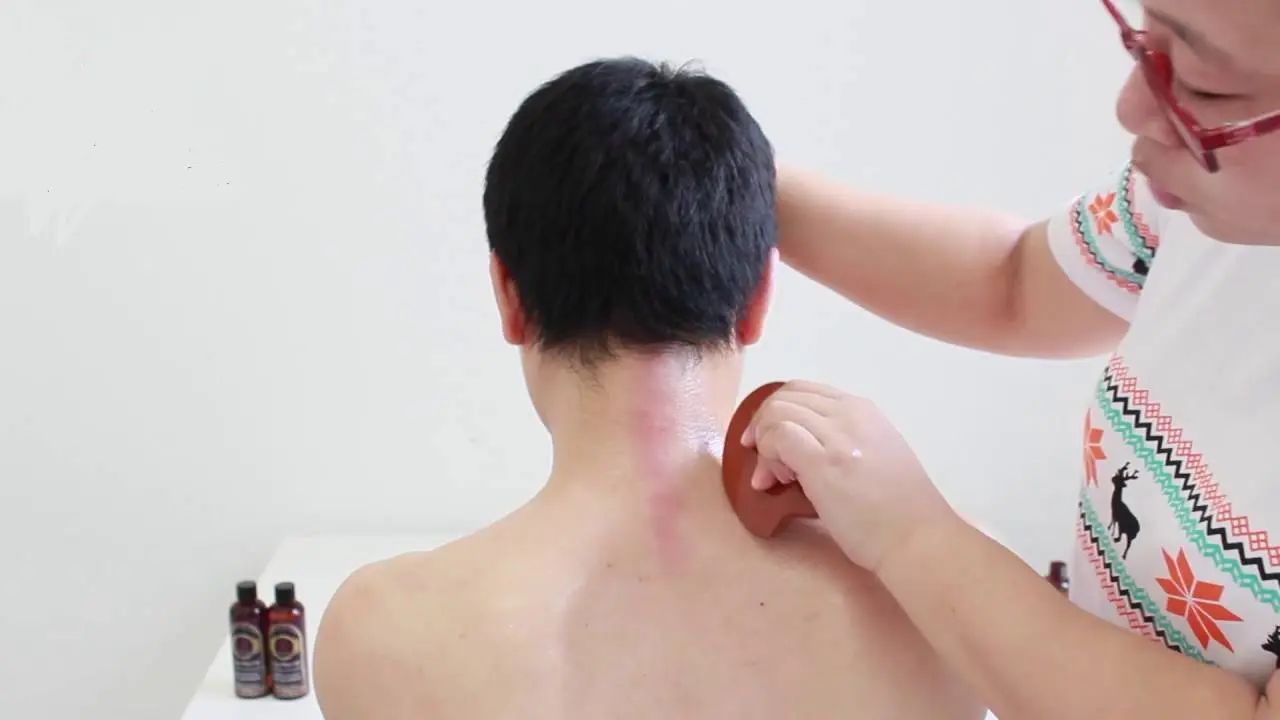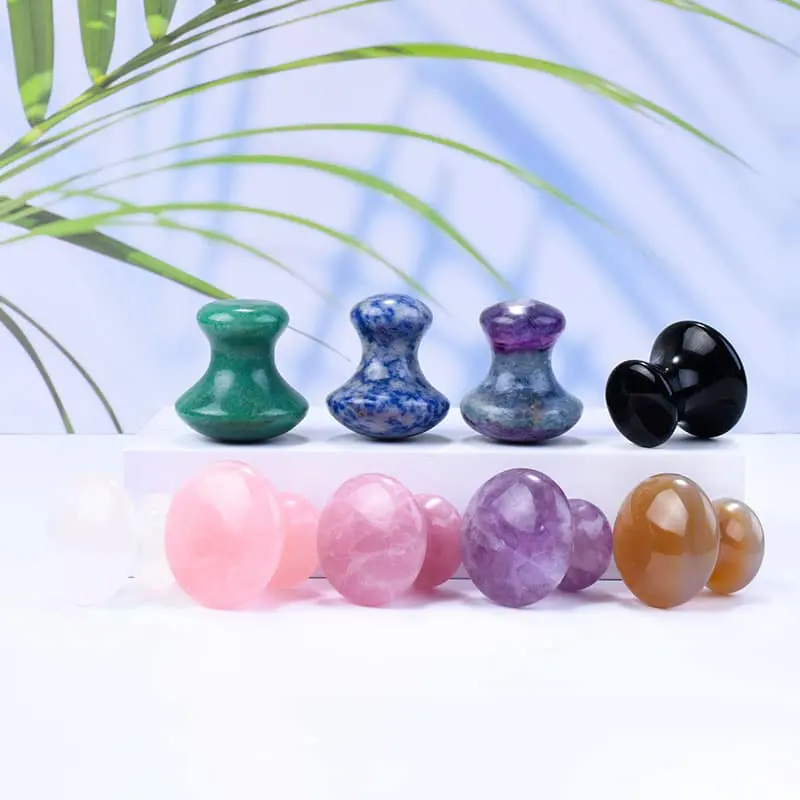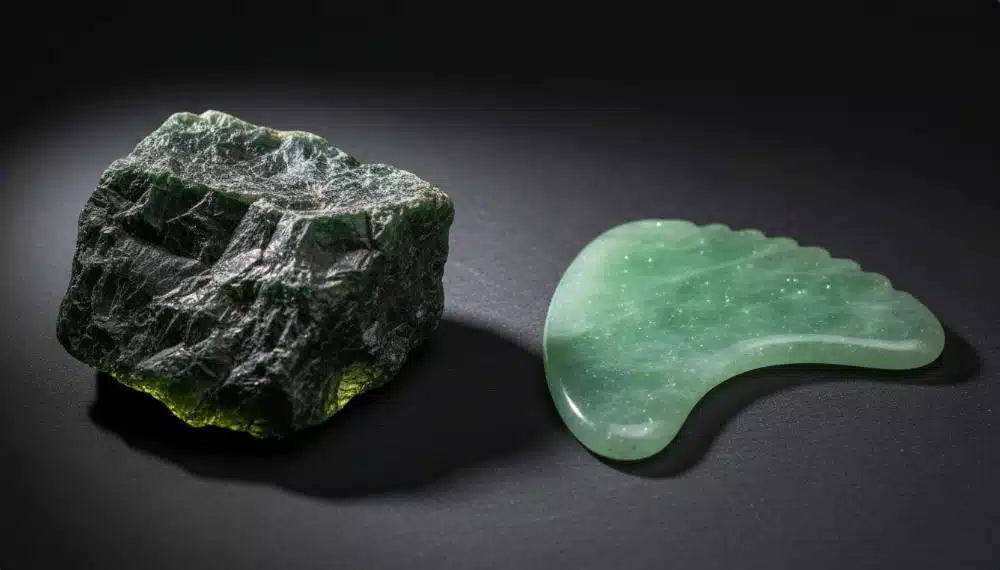
Gua Sha Stone

Find the real natural jade gua sha tool supplier, Wholesale customized gua sha stone, rose quartz gua sha tool for face neck back body with cheap price. welcome wholesale bulk jade gua sha tools.

jade gua sha wholesale

Jade Gua Sha Wholesale – Lower-Level Alternatives Are Available

In today’s global beauty industry, jade gua sha wholesale has become a high-frequency keyword among skincare brands, spa chains, distributors, and private-label companies. Jade gua sha tools are strongly associated with traditional East Asian wellness practices, natural skincare rituals, and premium beauty positioning. As global demand continues to rise, buyers are increasingly focused not only on aesthetics, but also on authenticity, raw material stability, and cost structure. However, the wholesale landscape is more complex than it appears. Not every product marketed as a “jade” gua sha tool is made from true jade in the strict mineralogical sense. In fact, lower-level alternatives are widely used across supply chains. Importantly, these alternatives are not necessarily inferior in functional application. In many cases, they deliver comparable skincare performance while offering advantages in raw material availability and price stability. At Deyi Gems, we believe transparency strengthens long-term partnerships. Therefore, this article provides a detailed and evidence-based explanation of true jade versus commonly used substitutes in the jade gua sha wholesale market, supported by geological data, manufacturing statistics, and published research. What Is True Jade in the Context of Gua Sha? Before discussing substitutes, it is essential to clarify what qualifies as “true jade.” Nephrite and Jadeite: The Only Recognized Forms of Jade According to the Gemological Institute of America, only two minerals are officially classified as jade: nephrite and jadeite.Reference: https://www.gia.edu/jade-description Nephrite belongs to the amphibole mineral group, while jadeite is a pyroxene mineral. Although they differ chemically, both possess interlocking fibrous crystal structures that provide exceptional toughness. Historically, this durability made them suitable for carving tools and ornamental objects across multiple civilizations. In commercial beauty tools, nephrite is more commonly used than jadeite due to availability and workability. Measurable Physical Properties Relevant to Gua Sha True jade is valued in gua sha manufacturing because of its: From a materials science perspective, nephrite typically has a Mohs hardness of approximately 6–6.5 and a thermal conductivity range of about 2.2–2.9 W/m·K. These values contribute to its smooth glide and cooling sensation during skin contact. However, it is important to clarify that the perceived “cooling effect” is primarily a result of thermal transfer between skin and stone, rather than any intrinsic energetic property. Under room-temperature conditions, any stone with moderate conductivity will feel cool when placed against warm skin. Despite these advantages, high-quality nephrite deposits suitable for cosmetic carving remain geographically limited. This supply limitation directly affects wholesale pricing and long-term procurement stability. Clinical Evidence: What Actually Creates the Skincare Effect? One common misconception in marketing narratives is that the mineral composition itself determines the therapeutic outcome. Current research does not support that claim. Microcirculation Research Data A controlled study published in Explore: The Journal of Science and Healing demonstrated that gua sha treatment increased surface microcirculation by approximately 400% in treated regions, with elevated circulation lasting over 25 minutes after treatment (Nielsen et al., 2007).Study accessible via the National Institutes of Health database:https://pubmed.ncbi.nlm.nih.gov/17905355/ Crucially, this increase was attributed to mechanical stimulation of the skin rather than to mineral chemistry. The study did not indicate any statistically significant difference based on stone composition. Therefore, when evaluating nephrite, serpentine, or quartz tools, the functional outcome in cosmetic gua sha practice is primarily determined by: Not by whether the material is technically classified as true jade. The First Lower-Level Alternative: Serpentine (Xiuyan Jade) One of the most common substitutes in jade gua sha wholesale is serpentine, often commercially referred to as Xiuyan jade. Geological Classification Serpentine is a group of magnesium silicate minerals distinct from nephrite and jadeite. The United States Geological Survey classifies serpentine as a metamorphic mineral group widely distributed across multiple continents. Although not mineralogically jade, certain serpentine varieties closely resemble green nephrite in color and translucency. Manufacturing Performance and Yield Data From a production standpoint, serpentine presents several measurable advantages. Based on internal 24-month production data from Deyi Gems: Serpentine’s lower hardness (Mohs 3–5) allows faster cutting speeds and reduced tool wear. Average machining time per unit is approximately 15–22% shorter than nephrite under identical equipment conditions. This improved yield directly impacts wholesale pricing. Reduced fracture loss means better material utilization and more predictable cost structures. Functional Application Performance When properly polished, serpentine achieves a high-gloss surface comparable to nephrite. Thermal conductivity values range approximately 2.0–2.5 W/m·K, very close to nephrite’s range. In practical facial application, the sensory experience is nearly indistinguishable for most end users. Therefore, from a purely functional cosmetic standpoint, serpentine does not demonstrate inferior performance. The primary difference lies in geological classification and collectible value, not in skincare utility. The Second Lower-Level Alternative: White Quartz (Silicon Dioxide-Based Stone) The second major substitute in jade gua sha wholesale is quartz-based white stone. Mineral Composition Quartz consists primarily of silicon dioxide (SiO₂) and is one of the most abundant minerals in Earth’s crust. According to the United States Geological Survey, quartz is widely available globally and used extensively in industrial and decorative applications. Its Mohs hardness is approximately 7, making it harder than nephrite. Thermal and Sensory Comparison Quartz typically has a thermal conductivity range of 6.0–7.0 W/m·K, which is higher than nephrite. As a result, quartz tools may feel cooler upon initial contact due to more rapid heat transfer. This measurable property explains why quartz-based white gua sha tools can deliver a similar, and sometimes stronger, cooling sensation during facial massage. Price Stability and Resource Availability High-translucency white nephrite is relatively rare and subject to supply fluctuations. By contrast, quartz reserves are abundant and geographically diversified. Market observations show that nephrite raw block pricing may fluctuate 20–35% annually, depending on mining output and export policy. Quartz and serpentine raw materials typically fluctuate within a narrower 8–15% range under similar economic conditions. For wholesale buyers managing inventory risk, this price stability provides strategic advantage. Why Suppliers Use the Term “Jade” for These Tools Commercial naming conventions often reflect visual identity rather than strict mineral science. Consumers associate green polished stone with jade and white translucent stone with white jade. Therefore, suppliers
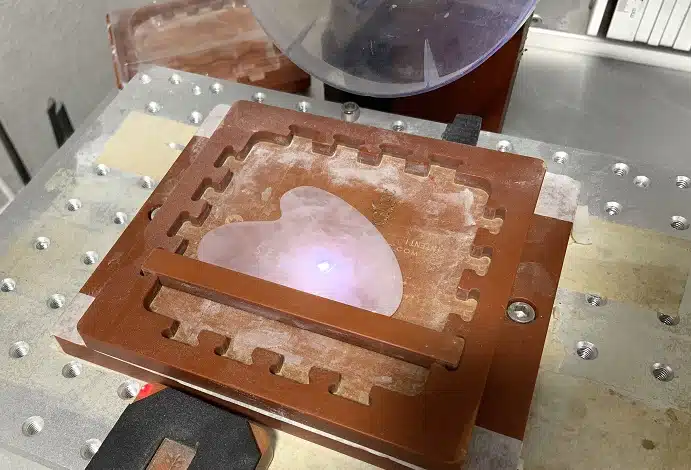
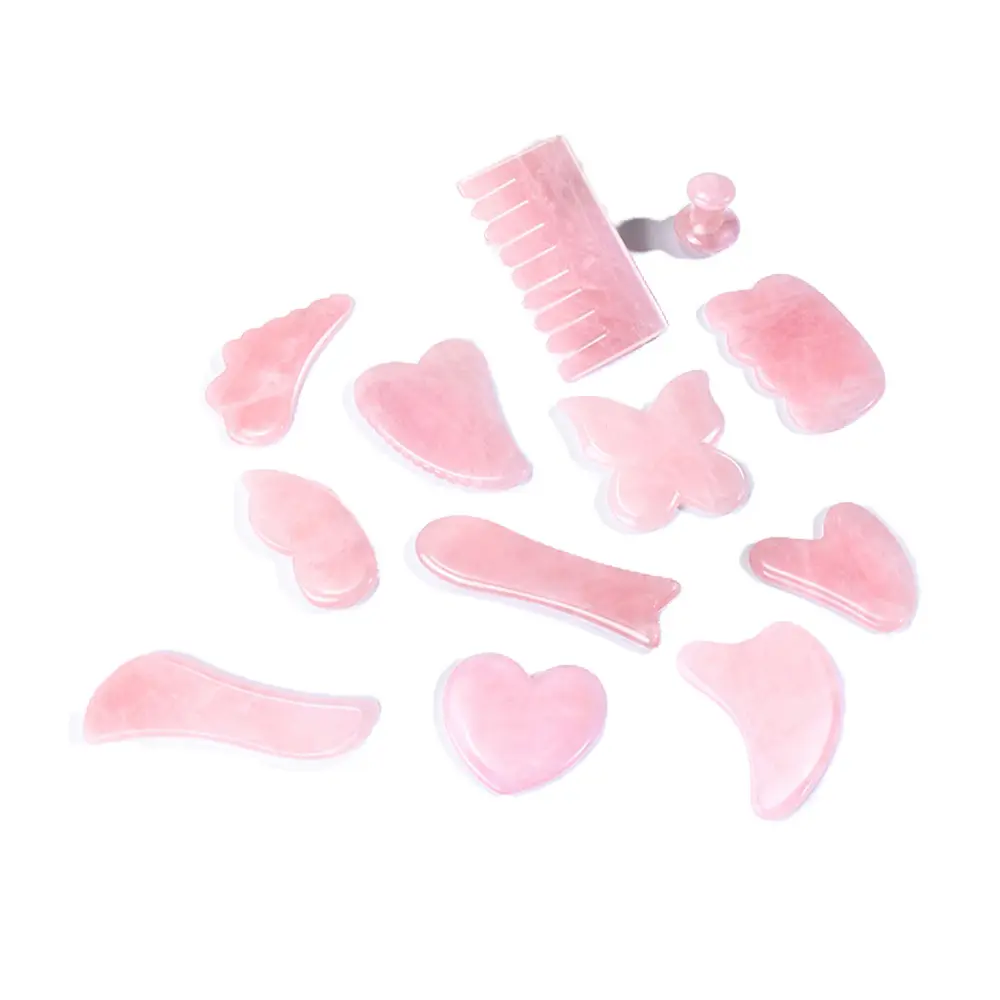
Jade Gua Sha Wholesale – Lower-Level Alternatives Are Available Read More »

In today’s global beauty industry, jade gua sha wholesale has become a high-frequency keyword among skincare brands, spa chains, distributors, and private-label companies. Jade gua sha tools are strongly associated with traditional East Asian wellness practices, natural skincare rituals, and premium beauty positioning. As global demand continues to rise, buyers are increasingly focused not only on aesthetics, but also on authenticity, raw material stability, and cost structure. However, the wholesale landscape is more complex than it appears. Not every product marketed as a “jade” gua sha tool is made from true jade in the strict mineralogical sense. In fact, lower-level alternatives are widely used across supply chains. Importantly, these alternatives are not necessarily inferior in functional application. In many cases, they deliver comparable skincare performance while offering advantages in raw material availability and price stability. At Deyi Gems, we believe transparency strengthens long-term partnerships. Therefore, this article provides a detailed and evidence-based explanation of true jade versus commonly used substitutes in the jade gua sha wholesale market, supported by geological data, manufacturing statistics, and published research. What Is True Jade in the Context of Gua Sha? Before discussing substitutes, it is essential to clarify what qualifies as “true jade.” Nephrite and Jadeite: The Only Recognized Forms of Jade According to the Gemological Institute of America, only two minerals are officially classified as jade: nephrite and jadeite.Reference: https://www.gia.edu/jade-description Nephrite belongs to the amphibole mineral group, while jadeite is a pyroxene mineral. Although they differ chemically, both possess interlocking fibrous crystal structures that provide exceptional toughness. Historically, this durability made them suitable for carving tools and ornamental objects across multiple civilizations. In commercial beauty tools, nephrite is more commonly used than jadeite due to availability and workability. Measurable Physical Properties Relevant to Gua Sha True jade is valued in gua sha manufacturing because of its: From a materials science perspective, nephrite typically has a Mohs hardness of approximately 6–6.5 and a thermal conductivity range of about 2.2–2.9 W/m·K. These values contribute to its smooth glide and cooling sensation during skin contact. However, it is important to clarify that the perceived “cooling effect” is primarily a result of thermal transfer between skin and stone, rather than any intrinsic energetic property. Under room-temperature conditions, any stone with moderate conductivity will feel cool when placed against warm skin. Despite these advantages, high-quality nephrite deposits suitable for cosmetic carving remain geographically limited. This supply limitation directly affects wholesale pricing and long-term procurement stability. Clinical Evidence: What Actually Creates the Skincare Effect? One common misconception in marketing narratives is that the mineral composition itself determines the therapeutic outcome. Current research does not support that claim. Microcirculation Research Data A controlled study published in Explore: The Journal of Science and Healing demonstrated that gua sha treatment increased surface microcirculation by approximately 400% in treated regions, with elevated circulation lasting over 25 minutes after treatment (Nielsen et al., 2007).Study accessible via the National Institutes of Health database:https://pubmed.ncbi.nlm.nih.gov/17905355/ Crucially, this increase was attributed to mechanical stimulation of the skin rather than to mineral chemistry. The study did not indicate any statistically significant difference based on stone composition. Therefore, when evaluating nephrite, serpentine, or quartz tools, the functional outcome in cosmetic gua sha practice is primarily determined by: Not by whether the material is technically classified as true jade. The First Lower-Level Alternative: Serpentine (Xiuyan Jade) One of the most common substitutes in jade gua sha wholesale is serpentine, often commercially referred to as Xiuyan jade. Geological Classification Serpentine is a group of magnesium silicate minerals distinct from nephrite and jadeite. The United States Geological Survey classifies serpentine as a metamorphic mineral group widely distributed across multiple continents. Although not mineralogically jade, certain serpentine varieties closely resemble green nephrite in color and translucency. Manufacturing Performance and Yield Data From a production standpoint, serpentine presents several measurable advantages. Based on internal 24-month production data from Deyi Gems: Serpentine’s lower hardness (Mohs 3–5) allows faster cutting speeds and reduced tool wear. Average machining time per unit is approximately 15–22% shorter than nephrite under identical equipment conditions. This improved yield directly impacts wholesale pricing. Reduced fracture loss means better material utilization and more predictable cost structures. Functional Application Performance When properly polished, serpentine achieves a high-gloss surface comparable to nephrite. Thermal conductivity values range approximately 2.0–2.5 W/m·K, very close to nephrite’s range. In practical facial application, the sensory experience is nearly indistinguishable for most end users. Therefore, from a purely functional cosmetic standpoint, serpentine does not demonstrate inferior performance. The primary difference lies in geological classification and collectible value, not in skincare utility. The Second Lower-Level Alternative: White Quartz (Silicon Dioxide-Based Stone) The second major substitute in jade gua sha wholesale is quartz-based white stone. Mineral Composition Quartz consists primarily of silicon dioxide (SiO₂) and is one of the most abundant minerals in Earth’s crust. According to the United States Geological Survey, quartz is widely available globally and used extensively in industrial and decorative applications. Its Mohs hardness is approximately 7, making it harder than nephrite. Thermal and Sensory Comparison Quartz typically has a thermal conductivity range of 6.0–7.0 W/m·K, which is higher than nephrite. As a result, quartz tools may feel cooler upon initial contact due to more rapid heat transfer. This measurable property explains why quartz-based white gua sha tools can deliver a similar, and sometimes stronger, cooling sensation during facial massage. Price Stability and Resource Availability High-translucency white nephrite is relatively rare and subject to supply fluctuations. By contrast, quartz reserves are abundant and geographically diversified. Market observations show that nephrite raw block pricing may fluctuate 20–35% annually, depending on mining output and export policy. Quartz and serpentine raw materials typically fluctuate within a narrower 8–15% range under similar economic conditions. For wholesale buyers managing inventory risk, this price stability provides strategic advantage. Why Suppliers Use the Term “Jade” for These Tools Commercial naming conventions often reflect visual identity rather than strict mineral science. Consumers associate green polished stone with jade and white translucent stone with white jade. Therefore, suppliers
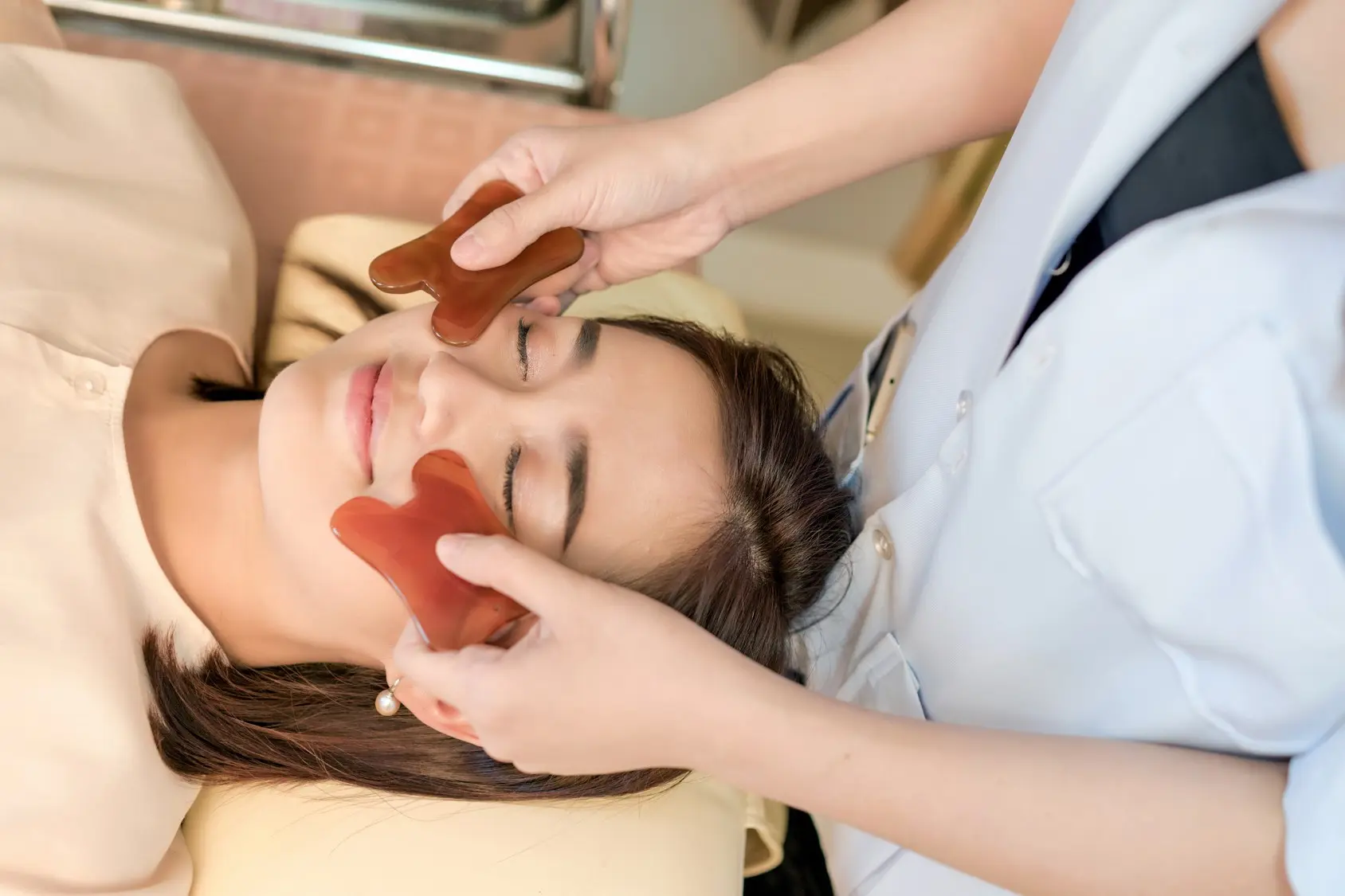
gua sha custom

Premium Gua Sha Custom: From Giftware to Brand Empowerment

As the global popularity of gua sha continues to surge, it is no longer just a traditional Chinese therapeutic tool. Today, gua sha has entered the realms of beauty, lifestyle, and gifting. In the B2B market, customized gua sha products have become a strategic choice for brands aiming to elevate their high-end image. For brand owners, gua sha custom — it is a powerful medium that connects brands with their customers. This principle applies across all product categories. Target Markets for Gua Sha Custom Due to its wide-ranging functionality and use scenarios, gua sha is suitable for diverse consumer segments, including: Each market segment has different requirements for gua sha custom. For example, gift and promotional markets often prioritize affordability over material or functional specifications. That said, premium brands do place greater emphasis on quality. One of our clients, a global luxury brand, sources customized gua sha tools and other crystal stone products from us as complimentary gifts or seasonal giveaways. Their quality requirements far exceed the industry average. Why Brands Choose Gua Sha Customization Gua sha custom offers several tangible benefits that enhance competitiveness and brand development. After all, no business would willingly increase costs without a clear return on investment. How to Launch a Successful Gua Sha Custom Project Customization is not just for large brands. From our experience, it has become a mainstream trend in the B2B gua sha market. Both major players and small-scale buyers are embracing customization. However, the needs vary greatly by buyer type, so selecting the right manufacturing partner is crucial. Here are a few key considerations: At the intersection of gift culture, personalized wellness, and the rise of Eastern health philosophies, customized gua sha tools are paving the way for a high-margin, high-loyalty, and brand-driven market. For B2B clients, investing early in a custom product line not only captures market share but also strengthens their brand voice in the increasingly competitive wellness industry.

Premium Gua Sha Custom: From Giftware to Brand Empowerment Read More »

As the global popularity of gua sha continues to surge, it is no longer just a traditional Chinese therapeutic tool. Today, gua sha has entered the realms of beauty, lifestyle, and gifting. In the B2B market, customized gua sha products have become a strategic choice for brands aiming to elevate their high-end image. For brand owners, gua sha custom — it is a powerful medium that connects brands with their customers. This principle applies across all product categories. Target Markets for Gua Sha Custom Due to its wide-ranging functionality and use scenarios, gua sha is suitable for diverse consumer segments, including: Each market segment has different requirements for gua sha custom. For example, gift and promotional markets often prioritize affordability over material or functional specifications. That said, premium brands do place greater emphasis on quality. One of our clients, a global luxury brand, sources customized gua sha tools and other crystal stone products from us as complimentary gifts or seasonal giveaways. Their quality requirements far exceed the industry average. Why Brands Choose Gua Sha Customization Gua sha custom offers several tangible benefits that enhance competitiveness and brand development. After all, no business would willingly increase costs without a clear return on investment. How to Launch a Successful Gua Sha Custom Project Customization is not just for large brands. From our experience, it has become a mainstream trend in the B2B gua sha market. Both major players and small-scale buyers are embracing customization. However, the needs vary greatly by buyer type, so selecting the right manufacturing partner is crucial. Here are a few key considerations: At the intersection of gift culture, personalized wellness, and the rise of Eastern health philosophies, customized gua sha tools are paving the way for a high-margin, high-loyalty, and brand-driven market. For B2B clients, investing early in a custom product line not only captures market share but also strengthens their brand voice in the increasingly competitive wellness industry.

Which Gua Sha Wholesale Model is the Most Worth Choosing?

Gua Sha is a very popular facial beauty tool at present, and many beauty shops add it as a main product line. If you also plan to purchase a batch of gua sha tools for sale in your own store, then you should understand the advantages and disadvantages of different scraping wholesale purchase modes in advance, and choose the mode that suits you. So, what are the specific modes of scraping wholesale? You’ll find out below. Spot Gua Sha Wholesale This is by far the most chosen mode. Purchase the existing goods in the hands of Gua Sha suppliers. In this way, you can get the goods you need quickly without too much waiting. And the price is relatively affordable. This is usually because gua sha manufacturers will produce and store a certain amount of scraping tools according to the actual market conditions, and these are usually the most popular products in the market. Because they are hot sellers, you can usually sell these gua sha tools quickly after you buy them. So if you want to withdraw funds quickly and don’t want to take too much risk, this method is very suitable for you. But it also has some disadvantages: Gua Sha Custom Wholesale As mentioned above, spot wholesale may face high competition and low profits, and customized scraping can solve such problems to a certain extent. Through Gua Sha customization, you can differentiate your product from other competitors’ customized products, and because of its uniqueness, you can also earn more objective profits to a certain extent. The current mainstream customization modes are: Engraving or printing your logo or any personalized patterns and characters on the products and packages. This goes some way to differentiating your product from similar competitors and strengthening the customer’s first impression of your brand. The main advantages are: low difficulty, low cost, low minimum order quantity, etc. There is no better way to enhance a customer’s first impression of your product through personalized packaging. For most people, first impressions are often the dominant factor in deciding whether or not to make a purchase. Beautiful, distinctive, high-quality packaging can easily lead people to believe that your product is of top quality, even though your product is not much better than others. So you will see that the packaging of big brands is often simple, beautiful and high-quality. The ultimate solution for Gua Sha customization is the ultimate weapon to differentiate your product from other competitors. You can get a product that is unique in the market, and if you apply for a patent, you don’t need to worry about other competitors in the market. But it also has higher requirements: higher prices, more time-consuming, and more difficult. But no matter how high its requirements are, the shape customization of Gua Sha is still the ultimate weapon to increase product competition and profits. Gua Sha Dropshipping This is the cheapest of the three models. There are roughly two ways: The first type: store binding. If the supplier has its own online store and provides retail services, you can negotiate with the supplier to bind your online store with the supplier’s store in some way. After the customer places an order in your store, the order information will be sent directly to the supplier, who will prepare and deliver the goods, and you will earn the corresponding price difference. The second type: Find the corresponding suppliers and reach a dropshipping contract with them. You organize daily customer order information and send this information to your suppliers, who then send it directly to your customers. Or send it to you, and then you will ship it. The main focus is to make sure that what you sell is what the supplier has in stock and can be dispatched quickly. This method is essentially similar to the first method, except that the first method will automatically send customer information, while the second method requires you to manually send the order content to the supplier. Through the dropshipping mode, you can avoid a lot of risks, such as: inventory pressure, procurement costs, etc. The above three are the three main gua sha wholesale models at present. Which one is right for you? In summary: How to choose depends on how you position yourself.

Which Gua Sha Wholesale Model is the Most Worth Choosing? Read More »

Gua Sha is a very popular facial beauty tool at present, and many beauty shops add it as a main product line. If you also plan to purchase a batch of gua sha tools for sale in your own store, then you should understand the advantages and disadvantages of different scraping wholesale purchase modes in advance, and choose the mode that suits you. So, what are the specific modes of scraping wholesale? You’ll find out below. Spot Gua Sha Wholesale This is by far the most chosen mode. Purchase the existing goods in the hands of Gua Sha suppliers. In this way, you can get the goods you need quickly without too much waiting. And the price is relatively affordable. This is usually because gua sha manufacturers will produce and store a certain amount of scraping tools according to the actual market conditions, and these are usually the most popular products in the market. Because they are hot sellers, you can usually sell these gua sha tools quickly after you buy them. So if you want to withdraw funds quickly and don’t want to take too much risk, this method is very suitable for you. But it also has some disadvantages: Gua Sha Custom Wholesale As mentioned above, spot wholesale may face high competition and low profits, and customized scraping can solve such problems to a certain extent. Through Gua Sha customization, you can differentiate your product from other competitors’ customized products, and because of its uniqueness, you can also earn more objective profits to a certain extent. The current mainstream customization modes are: Engraving or printing your logo or any personalized patterns and characters on the products and packages. This goes some way to differentiating your product from similar competitors and strengthening the customer’s first impression of your brand. The main advantages are: low difficulty, low cost, low minimum order quantity, etc. There is no better way to enhance a customer’s first impression of your product through personalized packaging. For most people, first impressions are often the dominant factor in deciding whether or not to make a purchase. Beautiful, distinctive, high-quality packaging can easily lead people to believe that your product is of top quality, even though your product is not much better than others. So you will see that the packaging of big brands is often simple, beautiful and high-quality. The ultimate solution for Gua Sha customization is the ultimate weapon to differentiate your product from other competitors. You can get a product that is unique in the market, and if you apply for a patent, you don’t need to worry about other competitors in the market. But it also has higher requirements: higher prices, more time-consuming, and more difficult. But no matter how high its requirements are, the shape customization of Gua Sha is still the ultimate weapon to increase product competition and profits. Gua Sha Dropshipping This is the cheapest of the three models. There are roughly two ways: The first type: store binding. If the supplier has its own online store and provides retail services, you can negotiate with the supplier to bind your online store with the supplier’s store in some way. After the customer places an order in your store, the order information will be sent directly to the supplier, who will prepare and deliver the goods, and you will earn the corresponding price difference. The second type: Find the corresponding suppliers and reach a dropshipping contract with them. You organize daily customer order information and send this information to your suppliers, who then send it directly to your customers. Or send it to you, and then you will ship it. The main focus is to make sure that what you sell is what the supplier has in stock and can be dispatched quickly. This method is essentially similar to the first method, except that the first method will automatically send customer information, while the second method requires you to manually send the order content to the supplier. Through the dropshipping mode, you can avoid a lot of risks, such as: inventory pressure, procurement costs, etc. The above three are the three main gua sha wholesale models at present. Which one is right for you? In summary: How to choose depends on how you position yourself.

Gua Sha Normal: Uncovering the Veil of an Ancient Natural Remedy

Gua Sha normal is an ancient remedy that originated in Traditional Chinese Medicine and has grown in popularity in recent years. This healing technique involves gua sha the surface of the skin with smooth-edged instruments to promote healing, reduce pain, and enhance overall health. In this article, we take a deep dive into the world of Gua Sha, exploring its origins, benefits, techniques, and more. 1. What is Gua Sha? Wnderstand the Origin and Meaning Gua Sha, also known as “Gua Sha,” has been practiced in East Asian cultures for centuries. Its origins date back to ancient times, when traditional healers used various objects, such as spoons, coins or animal bones, to scrape the skin. The goal is to stimulate blood flow, release stagnant energy, and restore balance to the body. Explore Traditional Practices In traditional Chinese medicine, Gua Sha is believed to help flush out toxins, reduce inflammation, and promote the flow of “qi,” or life energy. It is used to treat a variety of conditions, including musculoskeletal pain, respiratory problems, and digestive disorders. Traditional practitioners apply Gua Sha not only to the body, but also to the face for facial rejuvenation. 2. The Science Behind Regular Gua Sha The Effect of Gua Sha on the Body Gua Sha works by gently pressing the skin with a gua sha tool. This pressure creates microtrauma on the surface, which increases blood circulation and lymphatic drainage. The scratching action also stimulates the release of endorphins, promoting pain relief and relaxation. Health Benefits of Gua Sha The curative effect of Gua Sha is huge. It can help reduce muscle tension, reduce pain, and improve joint mobility. Gua Sha also enhances lymphatic flow, which aids in detoxification and supports the immune system. Plus, the facial gua sha technique helps improve skin health, promoting youthfulness and radiance. 3. Common Gua Sha Tools and Techniques Introduction of Gua Sha Tools Gua Sha tools are usually made of smooth materials such as jade, rose quartz, or buffalo horn. These tools come in all shapes and sizes for different techniques and target areas. The most common include flat plates, curved tools, and gua sha rollers. Different Types of Gua Sha Techniques There are a variety of Gua Sha techniques that can be used, depending on the purpose and area being treated. Some popular techniques include gua sha, stroking, and feathering. Each technique involves specific movements and pressures to achieve the desired effect. 4. Gua Sha for Facial Rejuvenation Enhances Skin Health and Radiance Gua Sha facials have gained a lot of attention for their ability to promote healthy and youthful skin. By improving circulation and stimulating lymphatic drainage, facial gua sha helps reduce puffiness, improve skin tone and reduce the appearance of fine lines and wrinkles. A Step-by-Step Guide to Facial Gua Sha 5. Gua Sha is Good for Your Health Reduce Pain and Tension Gua Sha is not limited to facial rejuvenation; it is equally effective in relieving body pain and tension. Whether you’re dealing with muscle aches, headaches, or even a chronic condition like fibromyalgia, gua sha can provide relief and relaxation. Gua Sha Techniques for Different Body Parts 6. Gua Sha Normal Safety and Precautions Important Notes for Safe Gua Sha Practice While gua sha is generally safe, some precautions must be taken to ensure a positive experience: Who Should Avoid Gua Sha? Although gua sha is safe for most people, caution is warranted in certain situations: 7. Incorporate Gua Sha Into Your Routine Combining Gua Sha for Self-Care Incorporating Gua Sha into your daily self-care routine is a beneficial practice. Consider the following tips: 8. Explore Changes in Gua Sha Combination of Gua Sha with other treatments Gua Sha can be combined with other complementary therapies to enhance its effects. Some popular combinations include: Modern Adaptation and Innovation As Gua Sha has grown in popularity, modern adaptations and innovations have emerged. These include: 9. Gua Sha Normal Conclusion Gua Sha is an ancient natural remedy with many benefits for physical and mental health. Whether you’re looking for facial rejuvenation or physical well-being, this treatment can promote relaxation, reduce pain and enhance your overall sense of vitality. By understanding the origins, techniques, and safety considerations, you can incorporate Gua Sha into your daily self-care routine and embark on a journey of holistic healing. Remember to listen to your body’s needs and adjust the pressure and frequency of gua sha accordingly. With its rich history and scientific principles, Gua Sha offers a unique approach to self-care that combines ancient wisdom with modern understanding. So why not start your own Gua Sha journey? Discover the transformative power of this ancient healing technique and unlock a whole new sense of well-being. Embrace the art of Gua Sha and experience its profound benefits for your body, mind and spirit. Start incorporating Gua Sha into your daily routine and witness the positive changes it brings. Whether you choose to focus on facial rejuvenation or physical health, Gua Sha has the potential to improve your quality of life and foster a deep connection with your inner self.

Gua Sha Normal: Uncovering the Veil of an Ancient Natural Remedy Read More »

Gua Sha normal is an ancient remedy that originated in Traditional Chinese Medicine and has grown in popularity in recent years. This healing technique involves gua sha the surface of the skin with smooth-edged instruments to promote healing, reduce pain, and enhance overall health. In this article, we take a deep dive into the world of Gua Sha, exploring its origins, benefits, techniques, and more. 1. What is Gua Sha? Wnderstand the Origin and Meaning Gua Sha, also known as “Gua Sha,” has been practiced in East Asian cultures for centuries. Its origins date back to ancient times, when traditional healers used various objects, such as spoons, coins or animal bones, to scrape the skin. The goal is to stimulate blood flow, release stagnant energy, and restore balance to the body. Explore Traditional Practices In traditional Chinese medicine, Gua Sha is believed to help flush out toxins, reduce inflammation, and promote the flow of “qi,” or life energy. It is used to treat a variety of conditions, including musculoskeletal pain, respiratory problems, and digestive disorders. Traditional practitioners apply Gua Sha not only to the body, but also to the face for facial rejuvenation. 2. The Science Behind Regular Gua Sha The Effect of Gua Sha on the Body Gua Sha works by gently pressing the skin with a gua sha tool. This pressure creates microtrauma on the surface, which increases blood circulation and lymphatic drainage. The scratching action also stimulates the release of endorphins, promoting pain relief and relaxation. Health Benefits of Gua Sha The curative effect of Gua Sha is huge. It can help reduce muscle tension, reduce pain, and improve joint mobility. Gua Sha also enhances lymphatic flow, which aids in detoxification and supports the immune system. Plus, the facial gua sha technique helps improve skin health, promoting youthfulness and radiance. 3. Common Gua Sha Tools and Techniques Introduction of Gua Sha Tools Gua Sha tools are usually made of smooth materials such as jade, rose quartz, or buffalo horn. These tools come in all shapes and sizes for different techniques and target areas. The most common include flat plates, curved tools, and gua sha rollers. Different Types of Gua Sha Techniques There are a variety of Gua Sha techniques that can be used, depending on the purpose and area being treated. Some popular techniques include gua sha, stroking, and feathering. Each technique involves specific movements and pressures to achieve the desired effect. 4. Gua Sha for Facial Rejuvenation Enhances Skin Health and Radiance Gua Sha facials have gained a lot of attention for their ability to promote healthy and youthful skin. By improving circulation and stimulating lymphatic drainage, facial gua sha helps reduce puffiness, improve skin tone and reduce the appearance of fine lines and wrinkles. A Step-by-Step Guide to Facial Gua Sha 5. Gua Sha is Good for Your Health Reduce Pain and Tension Gua Sha is not limited to facial rejuvenation; it is equally effective in relieving body pain and tension. Whether you’re dealing with muscle aches, headaches, or even a chronic condition like fibromyalgia, gua sha can provide relief and relaxation. Gua Sha Techniques for Different Body Parts 6. Gua Sha Normal Safety and Precautions Important Notes for Safe Gua Sha Practice While gua sha is generally safe, some precautions must be taken to ensure a positive experience: Who Should Avoid Gua Sha? Although gua sha is safe for most people, caution is warranted in certain situations: 7. Incorporate Gua Sha Into Your Routine Combining Gua Sha for Self-Care Incorporating Gua Sha into your daily self-care routine is a beneficial practice. Consider the following tips: 8. Explore Changes in Gua Sha Combination of Gua Sha with other treatments Gua Sha can be combined with other complementary therapies to enhance its effects. Some popular combinations include: Modern Adaptation and Innovation As Gua Sha has grown in popularity, modern adaptations and innovations have emerged. These include: 9. Gua Sha Normal Conclusion Gua Sha is an ancient natural remedy with many benefits for physical and mental health. Whether you’re looking for facial rejuvenation or physical well-being, this treatment can promote relaxation, reduce pain and enhance your overall sense of vitality. By understanding the origins, techniques, and safety considerations, you can incorporate Gua Sha into your daily self-care routine and embark on a journey of holistic healing. Remember to listen to your body’s needs and adjust the pressure and frequency of gua sha accordingly. With its rich history and scientific principles, Gua Sha offers a unique approach to self-care that combines ancient wisdom with modern understanding. So why not start your own Gua Sha journey? Discover the transformative power of this ancient healing technique and unlock a whole new sense of well-being. Embrace the art of Gua Sha and experience its profound benefits for your body, mind and spirit. Start incorporating Gua Sha into your daily routine and witness the positive changes it brings. Whether you choose to focus on facial rejuvenation or physical health, Gua Sha has the potential to improve your quality of life and foster a deep connection with your inner self.

Gua Sha for Headaches and Fatigue Relief: The Ultimate Guide

Do you suffer from headaches and fatigue? If so, you’re not alone. These are common health issues that can affect anyone, regardless of age or gender. While there are various treatments available, many people are turning to Gua Sha, a traditional Chinese healing technique, for relief. In this article, we’ll explore what Gua Sha is, how it works, and how it can help with headaches and fatigue. Understanding Headaches Before we delve into Gua Sha, let’s first take a look at headaches. Headaches are a common condition that affects millions of people worldwide. They can be mild or severe and can last from a few minutes to several days. Headaches can be caused by a variety of factors, including stress, tension, dehydration, and more. Some of the most common types of headaches include: Symptoms of headaches can vary, depending on the type and severity of the headache. Some common symptoms include: Understanding Fatigue Fatigue is another common health issue that can affect anyone. It is a feeling of tiredness or exhaustion that can be caused by a variety of factors, including lack of sleep, stress, poor nutrition, and more. Some of the most common symptoms of fatigue include: What is Gua Sha? Gua Sha is a traditional Chinese healing technique that involves scraping the skin with a smooth-edged tool to stimulate blood flow and promote healing. The technique has been used for centuries to treat a wide range of health problems, including headaches and fatigue. The term “Gua Sha” comes from the Chinese words “Gua” (to scrape) and “Sha” (a reddish, raised rash that appears on the skin). How Gua Sha Helps with Headaches and Fatigue Gua Sha works by stimulating the flow of blood and lymphatic fluids in the body. By doing so, it can help reduce inflammation, relieve pain, and promote healing. When Gua Sha is performed on the neck and shoulders, it can help release tension and promote relaxation, which can help relieve headaches and fatigue. Research has shown that Gua Sha can also help reduce stress and anxiety, which are common causes of headaches and fatigue. By promoting relaxation and reducing stress, Gua Sha can help improve overall health and well-being. How to Do Gua Sha for Headaches and Fatigue Relief If you’re interested in trying Gua Sha for headaches and fatigue relief, here’s how to get started: Precautions and Considerations While Gua Sha is generally considered safe, there are some precautions and considerations you should keep in mind: Conclusion Gua Sha is a traditional Chinese healing technique that can be effective in relieving headaches and fatigue. By stimulating blood flow and promoting relaxation, Gua Sha can help reduce inflammation, relieve pain, and promote healing. While it’s important to take precautions and seek medical advice if necessary, Gua Sha is generally considered safe and can be a useful tool in managing your health and well-being. FAQs

Gua Sha for Headaches and Fatigue Relief: The Ultimate Guide Read More »

Do you suffer from headaches and fatigue? If so, you’re not alone. These are common health issues that can affect anyone, regardless of age or gender. While there are various treatments available, many people are turning to Gua Sha, a traditional Chinese healing technique, for relief. In this article, we’ll explore what Gua Sha is, how it works, and how it can help with headaches and fatigue. Understanding Headaches Before we delve into Gua Sha, let’s first take a look at headaches. Headaches are a common condition that affects millions of people worldwide. They can be mild or severe and can last from a few minutes to several days. Headaches can be caused by a variety of factors, including stress, tension, dehydration, and more. Some of the most common types of headaches include: Symptoms of headaches can vary, depending on the type and severity of the headache. Some common symptoms include: Understanding Fatigue Fatigue is another common health issue that can affect anyone. It is a feeling of tiredness or exhaustion that can be caused by a variety of factors, including lack of sleep, stress, poor nutrition, and more. Some of the most common symptoms of fatigue include: What is Gua Sha? Gua Sha is a traditional Chinese healing technique that involves scraping the skin with a smooth-edged tool to stimulate blood flow and promote healing. The technique has been used for centuries to treat a wide range of health problems, including headaches and fatigue. The term “Gua Sha” comes from the Chinese words “Gua” (to scrape) and “Sha” (a reddish, raised rash that appears on the skin). How Gua Sha Helps with Headaches and Fatigue Gua Sha works by stimulating the flow of blood and lymphatic fluids in the body. By doing so, it can help reduce inflammation, relieve pain, and promote healing. When Gua Sha is performed on the neck and shoulders, it can help release tension and promote relaxation, which can help relieve headaches and fatigue. Research has shown that Gua Sha can also help reduce stress and anxiety, which are common causes of headaches and fatigue. By promoting relaxation and reducing stress, Gua Sha can help improve overall health and well-being. How to Do Gua Sha for Headaches and Fatigue Relief If you’re interested in trying Gua Sha for headaches and fatigue relief, here’s how to get started: Precautions and Considerations While Gua Sha is generally considered safe, there are some precautions and considerations you should keep in mind: Conclusion Gua Sha is a traditional Chinese healing technique that can be effective in relieving headaches and fatigue. By stimulating blood flow and promoting relaxation, Gua Sha can help reduce inflammation, relieve pain, and promote healing. While it’s important to take precautions and seek medical advice if necessary, Gua Sha is generally considered safe and can be a useful tool in managing your health and well-being. FAQs

gua sha benefits

Gua Sha for Muscle Recovery. Amazing Chinese Medical Technology

If you’re looking for a natural and effective way to promote muscle recovery after a workout, gua sha might be just what you need. Gua sha is an ancient Chinese healing technique that involves using a scraping tool to apply pressure to the skin, muscles, and connective tissues. It’s been used for centuries to reduce pain, inflammation, and tension in the body. In this article, we’ll explore the benefits of gua sha for muscle recovery and how to perform it effectively. How to Perform Gua Sha for Muscle Recovery To perform gua sha, you’ll need a gua sha tool, which can be made of various materials such as jade, rose quartz, or stainless steel. Here are the steps to perform gua sha on specific muscle groups: When performing gua sha, it’s important to use moderate pressure and avoid pressing too hard, as this can cause bruising. You should also avoid using gua sha on bony areas, such as the spine, and over varicose veins or inflamed skin. Benefits of Gua Sha for Muscle Recovery Gua sha works by increasing blood flow to the treated area, which helps to reduce inflammation and promote healing. It also helps to release tension in the muscles and connective tissues, which can improve flexibility and range of motion. Research studies have found that gua sha can be an effective treatment for muscle pain and soreness. In one study published in the Journal of Pain Research, participants who received gua sha treatments experienced a significant reduction in muscle soreness and improved range of motion compared to a control group. Compared to other muscle recovery techniques, such as foam rolling or massage therapy, gua sha is a more targeted approach that can be used to treat specific areas of tension and soreness. Case Studies of Gua Sha for Muscle Recovery Numerous studies have been conducted on the effectiveness of gua sha for muscle recovery, and the results have been largely positive. Here are a few examples: Gua Sha Tools Suitable for Muscle Recovery There are many different gua sha tools available on the market, each with their own unique features and benefits. When choosing a gua sha tool for muscle recovery, consider the following factors: Some popular gua sha tools for muscle recovery include: Precautions and Contraindications for Gua Sha While gua sha is generally safe for most people, there are some precautions and contraindications to be aware of. Gua sha should be avoided if you have open wounds, burns, or skin conditions such as eczema or psoriasis. It should also be avoided if you’re taking blood thinners or have a bleeding disorder, as gua sha can cause bruising and increase the risk of bleeding. If you’re new to gua sha, start with shorter sessions and gradually increase the duration and intensity as your body adapts. If you experience any adverse effects, such as excessive bruising or pain, stop the treatment and seek medical advice. Tips for Incorporating Gua Sha into Your Fitness Routine Gua sha can be used alongside other muscle recovery techniques, such as stretching, foam rolling, and massage therapy. It’s also a great way to warm up before a workout and cool down afterwards. Before a workout, use gua sha to release tension in the muscles and improve blood flow to the area you’ll be working out. After a workout, use gua sha to reduce muscle soreness and speed up the recovery process. Conclusion In conclusion, gua sha is a safe and effective way to promote muscle recovery after a workout. It works by increasing blood flow to the treated area, reducing inflammation, and releasing tension in the muscles and connective tissues. By following the steps outlined in this article and taking the necessary precautions, you can incorporate gua sha into your fitness routine and reap the benefits for your muscles and overall well-being. FAQs Overall, these studies suggest that gua sha is a safe and effective way to promote muscle recovery and reduce pain and inflammation in the body. By incorporating gua sha into your fitness routine and choosing the right tools for your needs, you can enjoy the benefits of this ancient healing practice for your muscles and overall well-being.

Gua Sha for Muscle Recovery. Amazing Chinese Medical Technology Read More »

If you’re looking for a natural and effective way to promote muscle recovery after a workout, gua sha might be just what you need. Gua sha is an ancient Chinese healing technique that involves using a scraping tool to apply pressure to the skin, muscles, and connective tissues. It’s been used for centuries to reduce pain, inflammation, and tension in the body. In this article, we’ll explore the benefits of gua sha for muscle recovery and how to perform it effectively. How to Perform Gua Sha for Muscle Recovery To perform gua sha, you’ll need a gua sha tool, which can be made of various materials such as jade, rose quartz, or stainless steel. Here are the steps to perform gua sha on specific muscle groups: When performing gua sha, it’s important to use moderate pressure and avoid pressing too hard, as this can cause bruising. You should also avoid using gua sha on bony areas, such as the spine, and over varicose veins or inflamed skin. Benefits of Gua Sha for Muscle Recovery Gua sha works by increasing blood flow to the treated area, which helps to reduce inflammation and promote healing. It also helps to release tension in the muscles and connective tissues, which can improve flexibility and range of motion. Research studies have found that gua sha can be an effective treatment for muscle pain and soreness. In one study published in the Journal of Pain Research, participants who received gua sha treatments experienced a significant reduction in muscle soreness and improved range of motion compared to a control group. Compared to other muscle recovery techniques, such as foam rolling or massage therapy, gua sha is a more targeted approach that can be used to treat specific areas of tension and soreness. Case Studies of Gua Sha for Muscle Recovery Numerous studies have been conducted on the effectiveness of gua sha for muscle recovery, and the results have been largely positive. Here are a few examples: Gua Sha Tools Suitable for Muscle Recovery There are many different gua sha tools available on the market, each with their own unique features and benefits. When choosing a gua sha tool for muscle recovery, consider the following factors: Some popular gua sha tools for muscle recovery include: Precautions and Contraindications for Gua Sha While gua sha is generally safe for most people, there are some precautions and contraindications to be aware of. Gua sha should be avoided if you have open wounds, burns, or skin conditions such as eczema or psoriasis. It should also be avoided if you’re taking blood thinners or have a bleeding disorder, as gua sha can cause bruising and increase the risk of bleeding. If you’re new to gua sha, start with shorter sessions and gradually increase the duration and intensity as your body adapts. If you experience any adverse effects, such as excessive bruising or pain, stop the treatment and seek medical advice. Tips for Incorporating Gua Sha into Your Fitness Routine Gua sha can be used alongside other muscle recovery techniques, such as stretching, foam rolling, and massage therapy. It’s also a great way to warm up before a workout and cool down afterwards. Before a workout, use gua sha to release tension in the muscles and improve blood flow to the area you’ll be working out. After a workout, use gua sha to reduce muscle soreness and speed up the recovery process. Conclusion In conclusion, gua sha is a safe and effective way to promote muscle recovery after a workout. It works by increasing blood flow to the treated area, reducing inflammation, and releasing tension in the muscles and connective tissues. By following the steps outlined in this article and taking the necessary precautions, you can incorporate gua sha into your fitness routine and reap the benefits for your muscles and overall well-being. FAQs Overall, these studies suggest that gua sha is a safe and effective way to promote muscle recovery and reduce pain and inflammation in the body. By incorporating gua sha into your fitness routine and choosing the right tools for your needs, you can enjoy the benefits of this ancient healing practice for your muscles and overall well-being.

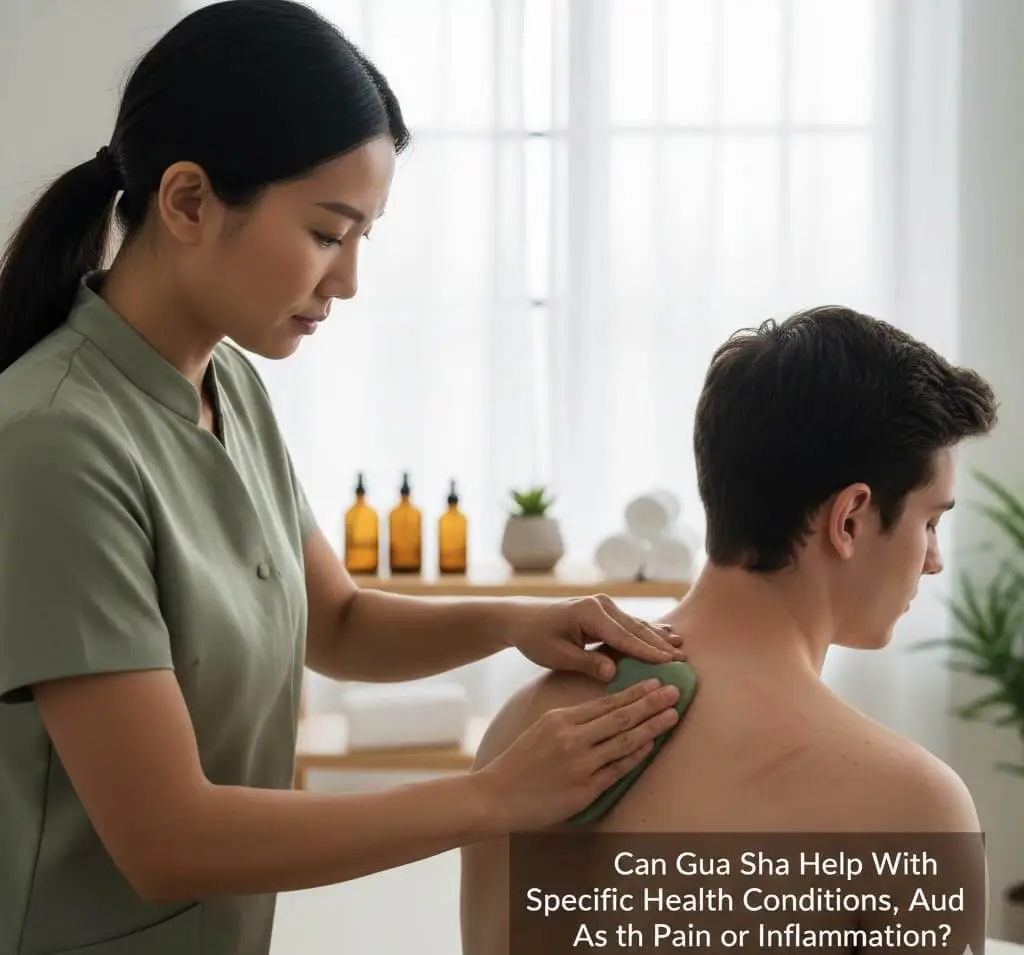
Can-Gua-Sha-Help-With-Specific-Health-Conditions

Can Gua Sha Help With Specific Health Conditions, Such As Pain or Inflammation?

I. Introduction Gua sha is an ancient Chinese healing technique that involves using a flat tool, such as a jade or rose quartz scraper, to scrape the skin in a specific direction. The technique is also known as “gua sha” and is commonly used in Traditional Chinese Medicine to promote healing and relieve pain. In recent years, gua sha has gained popularity in Western countries as a natural remedy for various health conditions, including pain and inflammation. While gua sha has been used for thousands of years in Chinese medicine, its potential benefits and effectiveness have only recently been studied in Western medical research. II. Gua Sha History Gua sha has been used in Traditional Chinese Medicine for thousands of years, and its exact origin is not known. The practice is believed to have originated in Southeast Asia and spread to other parts of Asia, including China. Traditionally, gua sha was used to treat a variety of conditions, including fever, colds, digestive disorders, and muscle pain. In Chinese medicine, the technique is believed to promote the flow of “qi” or energy in the body, which is essential for good health. III. Gua Sha Benefits Gua sha is believed to have several potential health benefits, including pain relief, reduced inflammation, improved circulation, and relaxation. The technique is also thought to help detoxify the body and boost the immune system. Several research studies have suggested that gua sha may be effective in reducing pain and inflammation. For example, a study published in the Journal of Pain found that gua sha was more effective than a placebo in reducing neck pain in patients with chronic neck pain. In addition to pain relief and reduced inflammation, gua sha may also help improve circulation and promote relaxation. One study published in the Journal of Traditional Chinese Medicine found that gua sha increased blood flow in the skin and improved microcirculation. Another study suggested that gua sha may help reduce anxiety and promote relaxation. IV. How to Use Gua Sha on Face To use gua sha on the face, follow these steps: Benefits of Using Gua Sha on the Face Using gua sha on the face may help promote circulation, reduce puffiness, and improve skin elasticity. It may also help reduce the appearance of fine lines and wrinkles. Precautions to Take When Using Gua Sha on the Face When using gua sha on the face, be gentle and avoid applying too much pressure. It’s also important to use a facial oil or serum to provide lubrication and protect the skin from damage. V. How to Use Gua Sha on Body Step-by-Step Guide on How to Use Gua Sha on the Body To use gua sha on the body, follow these steps: Focus on areas of tension or pain, such as the neck, shoulders, and back. Benefits of Using Gua Sha on the Body Using gua sha on the body may help relieve muscle tension, reduce inflammation, and promote relaxation. It may also help improve circulation and boost the immune system. Precautions to Take When Using Gua Sha on the Body When using gua sha on the body, be careful not to apply too much pressure, especially on bony areas such as the spine. It’s also important to use a massage oil or lotion to provide lubrication and protect the skin from damage. VI. Gua Sha Precautions Precautions to Take When Using Gua Sha When using gua sha, it’s important to take the following precautions: Who Should Not Use Gua Sha Gua sha may not be suitable for everyone, including people with certain medical conditions or those taking certain medications. It’s important to speak with a healthcare provider before using gua sha. Possible Side Effects of Gua Sha Possible side effects of gua sha include bruising, redness, and soreness. These side effects are usually mild and temporary. VII. Conclusion Summary of the potential benefits of gua sha for pain and inflammation Gua sha may be helpful in reducing pain and inflammation, as well as promoting circulation, relaxation, and overall well-being. Final thoughts on gua sha use for specific health conditions While gua sha may be helpful for certain health conditions, it’s important to speak with a healthcare provider before using the technique. It’s also important to follow proper precautions and Gua Sha Tool Recommendations 1. Recommended Gua Sha Tools for Beginners And Advanced Users: 2. Considerations When Purchasing Gua Sha Tools, Such As Quality And Price: Gua Sha Tool Shapes 1. Overview of the Different Shapes of Gua Sha Tools: Flat: These gua sha tools have a smooth, flat surface and are ideal for larger areas of the body, such as the back. Curved: These gua sha tools have a curved surface and are great for areas of the body that have a more defined contour, such as the neck and face. Comb-shaped: These gua sha tools have teeth-like ridges and are perfect for stimulating the scalp and promoting hair growth. 2. Advantages And Disadvantages of Each Shape: Flat: Advantages include their versatility and ability to cover large areas quickly. However, they may not be as effective for smaller, more intricate areas. Curved: Advantages include their ability to contour to the shape of the body and reach more specific areas. However, they may require more time and precision to use effectively. Comb-shaped: Advantages include their ability to stimulate the scalp and promote hair growth. However, they may not be as effective for other areas of the body. Gua Sha Tool Materials 1. Overview of the Different Materials Used for Gua Sha Tools: Jade: This is a popular choice for gua sha tools due to its natural cooling properties and ability to promote lymphatic drainage. Rose quartz: This is another popular choice for gua sha tools due to its calming and soothing properties. Stainless steel: This is a more affordable option for gua sha tools and is durable and easy to clean. 2. Advantages And Disadvantages of Each Material: Jade: Advantages include its natural cooling properties and ability to promote lymphatic drainage. However, it may be more fragile and prone to cracking

Can Gua Sha Help With Specific Health Conditions, Such As Pain or Inflammation? Read More »

I. Introduction Gua sha is an ancient Chinese healing technique that involves using a flat tool, such as a jade or rose quartz scraper, to scrape the skin in a specific direction. The technique is also known as “gua sha” and is commonly used in Traditional Chinese Medicine to promote healing and relieve pain. In recent years, gua sha has gained popularity in Western countries as a natural remedy for various health conditions, including pain and inflammation. While gua sha has been used for thousands of years in Chinese medicine, its potential benefits and effectiveness have only recently been studied in Western medical research. II. Gua Sha History Gua sha has been used in Traditional Chinese Medicine for thousands of years, and its exact origin is not known. The practice is believed to have originated in Southeast Asia and spread to other parts of Asia, including China. Traditionally, gua sha was used to treat a variety of conditions, including fever, colds, digestive disorders, and muscle pain. In Chinese medicine, the technique is believed to promote the flow of “qi” or energy in the body, which is essential for good health. III. Gua Sha Benefits Gua sha is believed to have several potential health benefits, including pain relief, reduced inflammation, improved circulation, and relaxation. The technique is also thought to help detoxify the body and boost the immune system. Several research studies have suggested that gua sha may be effective in reducing pain and inflammation. For example, a study published in the Journal of Pain found that gua sha was more effective than a placebo in reducing neck pain in patients with chronic neck pain. In addition to pain relief and reduced inflammation, gua sha may also help improve circulation and promote relaxation. One study published in the Journal of Traditional Chinese Medicine found that gua sha increased blood flow in the skin and improved microcirculation. Another study suggested that gua sha may help reduce anxiety and promote relaxation. IV. How to Use Gua Sha on Face To use gua sha on the face, follow these steps: Benefits of Using Gua Sha on the Face Using gua sha on the face may help promote circulation, reduce puffiness, and improve skin elasticity. It may also help reduce the appearance of fine lines and wrinkles. Precautions to Take When Using Gua Sha on the Face When using gua sha on the face, be gentle and avoid applying too much pressure. It’s also important to use a facial oil or serum to provide lubrication and protect the skin from damage. V. How to Use Gua Sha on Body Step-by-Step Guide on How to Use Gua Sha on the Body To use gua sha on the body, follow these steps: Focus on areas of tension or pain, such as the neck, shoulders, and back. Benefits of Using Gua Sha on the Body Using gua sha on the body may help relieve muscle tension, reduce inflammation, and promote relaxation. It may also help improve circulation and boost the immune system. Precautions to Take When Using Gua Sha on the Body When using gua sha on the body, be careful not to apply too much pressure, especially on bony areas such as the spine. It’s also important to use a massage oil or lotion to provide lubrication and protect the skin from damage. VI. Gua Sha Precautions Precautions to Take When Using Gua Sha When using gua sha, it’s important to take the following precautions: Who Should Not Use Gua Sha Gua sha may not be suitable for everyone, including people with certain medical conditions or those taking certain medications. It’s important to speak with a healthcare provider before using gua sha. Possible Side Effects of Gua Sha Possible side effects of gua sha include bruising, redness, and soreness. These side effects are usually mild and temporary. VII. Conclusion Summary of the potential benefits of gua sha for pain and inflammation Gua sha may be helpful in reducing pain and inflammation, as well as promoting circulation, relaxation, and overall well-being. Final thoughts on gua sha use for specific health conditions While gua sha may be helpful for certain health conditions, it’s important to speak with a healthcare provider before using the technique. It’s also important to follow proper precautions and Gua Sha Tool Recommendations 1. Recommended Gua Sha Tools for Beginners And Advanced Users: 2. Considerations When Purchasing Gua Sha Tools, Such As Quality And Price: Gua Sha Tool Shapes 1. Overview of the Different Shapes of Gua Sha Tools: Flat: These gua sha tools have a smooth, flat surface and are ideal for larger areas of the body, such as the back. Curved: These gua sha tools have a curved surface and are great for areas of the body that have a more defined contour, such as the neck and face. Comb-shaped: These gua sha tools have teeth-like ridges and are perfect for stimulating the scalp and promoting hair growth. 2. Advantages And Disadvantages of Each Shape: Flat: Advantages include their versatility and ability to cover large areas quickly. However, they may not be as effective for smaller, more intricate areas. Curved: Advantages include their ability to contour to the shape of the body and reach more specific areas. However, they may require more time and precision to use effectively. Comb-shaped: Advantages include their ability to stimulate the scalp and promote hair growth. However, they may not be as effective for other areas of the body. Gua Sha Tool Materials 1. Overview of the Different Materials Used for Gua Sha Tools: Jade: This is a popular choice for gua sha tools due to its natural cooling properties and ability to promote lymphatic drainage. Rose quartz: This is another popular choice for gua sha tools due to its calming and soothing properties. Stainless steel: This is a more affordable option for gua sha tools and is durable and easy to clean. 2. Advantages And Disadvantages of Each Material: Jade: Advantages include its natural cooling properties and ability to promote lymphatic drainage. However, it may be more fragile and prone to cracking

Gua sha vs Cupping: What You Need to Know

If you’re interested in natural and alternative therapies for health and wellness, you may have heard of Gua sha and cupping. Both techniques have been used for centuries in traditional Chinese medicine, and both involve manipulating the skin to promote healing and relaxation. But what is the difference between Gua sha and cupping, and which one is better? In this article, we’ll dive deeper into these questions and explore the benefits, uses, and risks of these ancient practices. What is Gua sha? Gua sha is a traditional Chinese therapy that involves using a smooth-edged tool, often made of jade or rose quartz, to scrape the skin in long, firm strokes. The goal of Gua sha is to stimulate blood flow, release tension, and promote healing by bringing stagnant energy or “chi” to the surface of the skin. Gua sha is often used for facial rejuvenation, as well as to relieve pain and stiffness in other parts of the body. What are the Benefits of Gua sha? Gua sha has been associated with several health benefits, including: What is Cupping? Cupping is a therapy that involves placing cups on the skin and creating suction to stimulate blood flow and relieve muscle tension. There are two types of cupping: dry cupping, which uses a vacuum pump to create suction, and wet cupping, which involves making small incisions in the skin to draw out toxins. Cupping is often used for pain relief, respiratory issues, and detoxification. What are the Benefits of Cupping? Cupping has been associated with several health benefits, including: How to Use Gua Sha and Cupping? Gua sha: Cupping: Gua Sha vs Cupping: Which one is better? The choice between Gua sha and cupping depends on your specific needs and preferences. Gua sha is more commonly used for facial rejuvenation and enhancing skin health, while cupping is often used for pain relief and detoxification. However, both practices can be effective in reducing pain, promoting relaxation, and improving overall health. Some practitioners even use Gua sha and cupping together for enhanced benefits. What Things You Should Pay Attention to When Using Gua Sha or Cupping? When using Gua sha or cupping, it’s essential to pay attention to the following things: Can Gua Sha be Used With Cupping? Yes, Gua sha can be used with cupping for enhanced benefits. Some practitioners use Gua sha to prepare the skin before cupping by promoting circulation and releasing tension. Others use cupping to create suction and then follow up with Gua sha to release tension and promote circulation. Conclusion In conclusion, both Gua sha and cupping have been used for centuries in traditional Chinese medicine to promote health and wellness. While they have some similarities, they also have some distinct differences. Gua sha is often used for facial rejuvenation and enhancing skin health, while cupping is used for pain relief, detoxification, and respiratory issues. The choice between Gua sha and cupping ultimately depends on your specific needs and preferences. However, it’s essential to use them correctly and consult with a healthcare professional before trying them to avoid any potential side effects or complications. With proper use, Gua sha and cupping can be valuable tools for promoting health and wellness naturally.

Gua sha vs Cupping: What You Need to Know Read More »

If you’re interested in natural and alternative therapies for health and wellness, you may have heard of Gua sha and cupping. Both techniques have been used for centuries in traditional Chinese medicine, and both involve manipulating the skin to promote healing and relaxation. But what is the difference between Gua sha and cupping, and which one is better? In this article, we’ll dive deeper into these questions and explore the benefits, uses, and risks of these ancient practices. What is Gua sha? Gua sha is a traditional Chinese therapy that involves using a smooth-edged tool, often made of jade or rose quartz, to scrape the skin in long, firm strokes. The goal of Gua sha is to stimulate blood flow, release tension, and promote healing by bringing stagnant energy or “chi” to the surface of the skin. Gua sha is often used for facial rejuvenation, as well as to relieve pain and stiffness in other parts of the body. What are the Benefits of Gua sha? Gua sha has been associated with several health benefits, including: What is Cupping? Cupping is a therapy that involves placing cups on the skin and creating suction to stimulate blood flow and relieve muscle tension. There are two types of cupping: dry cupping, which uses a vacuum pump to create suction, and wet cupping, which involves making small incisions in the skin to draw out toxins. Cupping is often used for pain relief, respiratory issues, and detoxification. What are the Benefits of Cupping? Cupping has been associated with several health benefits, including: How to Use Gua Sha and Cupping? Gua sha: Cupping: Gua Sha vs Cupping: Which one is better? The choice between Gua sha and cupping depends on your specific needs and preferences. Gua sha is more commonly used for facial rejuvenation and enhancing skin health, while cupping is often used for pain relief and detoxification. However, both practices can be effective in reducing pain, promoting relaxation, and improving overall health. Some practitioners even use Gua sha and cupping together for enhanced benefits. What Things You Should Pay Attention to When Using Gua Sha or Cupping? When using Gua sha or cupping, it’s essential to pay attention to the following things: Can Gua Sha be Used With Cupping? Yes, Gua sha can be used with cupping for enhanced benefits. Some practitioners use Gua sha to prepare the skin before cupping by promoting circulation and releasing tension. Others use cupping to create suction and then follow up with Gua sha to release tension and promote circulation. Conclusion In conclusion, both Gua sha and cupping have been used for centuries in traditional Chinese medicine to promote health and wellness. While they have some similarities, they also have some distinct differences. Gua sha is often used for facial rejuvenation and enhancing skin health, while cupping is used for pain relief, detoxification, and respiratory issues. The choice between Gua sha and cupping ultimately depends on your specific needs and preferences. However, it’s essential to use them correctly and consult with a healthcare professional before trying them to avoid any potential side effects or complications. With proper use, Gua sha and cupping can be valuable tools for promoting health and wellness naturally.

Who Should Consider Using Gua Sha, And Who Should Avoid It?

Gua sha, a traditional Chinese therapy that involves scraping the skin with a flat tool, has gained popularity in recent years for its potential benefits. While gua sha is generally considered safe, there are some potential negative effects to be aware of, and certain groups of people should avoid or be cautious with gua sha. Are There Any Negative Effects of Gua Sha? Gua sha is generally considered safe when performed correctly, but there are some potential negative effects to be aware of: It’s important to note that these negative effects are relatively uncommon, and most people experience only mild discomfort or no adverse effects at all. Who is Gua Sha Contraindicated For? While gua sha is generally safe for most people, there are some groups who should avoid or be cautious with gua sha: It’s important to speak with a healthcare professional or trained gua sha practitioner if you have any concerns about whether gua sha is appropriate for you. They can help determine if you have any contraindications and provide guidance on safe and effective gua sha techniques. Does Gua Sha Work for Everyone? While gua sha may provide benefits for many people, it may not work for everyone. Some people may not experience any benefits or may experience negative effects. It’s important to keep in mind that gua sha is not a substitute for medical treatment, and people with serious medical conditions should always consult with a healthcare professional. Who can Using Gua Sha? Most people can use gua sha safely and effectively with proper training and technique. However, some groups may benefit more than others from gua sha: How to Use Gua Sha To use gua sha, first, apply a lubricant, such as oil or lotion, to the skin. Next, use a gua sha tool to apply pressure and scrape the skin in long strokes, starting from the center of the face or body and moving outward. It’s important to use light to moderate pressure and to avoid gua sha too hard or fast, as this can cause bruising or irritation. Gua sha can be performed on the face, neck, shoulders, back, arms, and legs. Benefits of Gua Sha Gua sha has been associated with a range of potential benefits, including: Gua Sha Wholesale For those interested in purchasing gua sha tools in bulk for personal use or resale, there are many options for gua sha wholesale. These tools can be found online or through traditional Chinese medicine suppliers-such as Deyi Gems. In conclusion, gua sha can provide potential benefits for many people, but it’s important to be aware of any contraindications and to use proper technique to avoid negative effects. As with any natural therapy, it’s important to speak with a healthcare professional or trained gua sha practitioner before starting treatment

Who Should Consider Using Gua Sha, And Who Should Avoid It? Read More »

Gua sha, a traditional Chinese therapy that involves scraping the skin with a flat tool, has gained popularity in recent years for its potential benefits. While gua sha is generally considered safe, there are some potential negative effects to be aware of, and certain groups of people should avoid or be cautious with gua sha. Are There Any Negative Effects of Gua Sha? Gua sha is generally considered safe when performed correctly, but there are some potential negative effects to be aware of: It’s important to note that these negative effects are relatively uncommon, and most people experience only mild discomfort or no adverse effects at all. Who is Gua Sha Contraindicated For? While gua sha is generally safe for most people, there are some groups who should avoid or be cautious with gua sha: It’s important to speak with a healthcare professional or trained gua sha practitioner if you have any concerns about whether gua sha is appropriate for you. They can help determine if you have any contraindications and provide guidance on safe and effective gua sha techniques. Does Gua Sha Work for Everyone? While gua sha may provide benefits for many people, it may not work for everyone. Some people may not experience any benefits or may experience negative effects. It’s important to keep in mind that gua sha is not a substitute for medical treatment, and people with serious medical conditions should always consult with a healthcare professional. Who can Using Gua Sha? Most people can use gua sha safely and effectively with proper training and technique. However, some groups may benefit more than others from gua sha: How to Use Gua Sha To use gua sha, first, apply a lubricant, such as oil or lotion, to the skin. Next, use a gua sha tool to apply pressure and scrape the skin in long strokes, starting from the center of the face or body and moving outward. It’s important to use light to moderate pressure and to avoid gua sha too hard or fast, as this can cause bruising or irritation. Gua sha can be performed on the face, neck, shoulders, back, arms, and legs. Benefits of Gua Sha Gua sha has been associated with a range of potential benefits, including: Gua Sha Wholesale For those interested in purchasing gua sha tools in bulk for personal use or resale, there are many options for gua sha wholesale. These tools can be found online or through traditional Chinese medicine suppliers-such as Deyi Gems. In conclusion, gua sha can provide potential benefits for many people, but it’s important to be aware of any contraindications and to use proper technique to avoid negative effects. As with any natural therapy, it’s important to speak with a healthcare professional or trained gua sha practitioner before starting treatment

gua sha wholesale

Which Gua Sha is Best for Your Face?

Facial massages and gua sha are everywhere these days (if you haven’t heard of them, read more about them here). These brightening, cheekbone-defining, detoxing treatments are all the rage in your favorite beauty magazines, and jade rollers are everywhere in the hands of top models. It’s no surprise that facial massage and gua sha get some legitimate attention—it promotes lymphatic drainage, removes puffiness from the face, relaxes overly tense muscles, and leaves your skin glowing. So, if you’ve had facial massage and gua sha, you’re faced with a decision – which material of gua sha tools should I get? Or which one is best for you? In our factory, we manufacture and sell rollers and gua sha tools made of natural gemstones such as beryl, white jade, rose quartz, amethyst, aventurine and sodalite. So which one is right for you? Are they really that different? Next let us reveal the answer: Green Jade Gua Sha: Oh hello! Lovely jade! Green Jade (or Feng Yu) is a traditional choice for facial massage and Gua Sha. It has a long history of use in Traditional Chinese Medicine and is considered the ultimate gem in ancient Chinese beauty treatments. Green jade was considered the most precious gemstone in ancient China (although not the kind we use for our Gua Sha tools); it symbolizes purity, moral integrity and immortality. It is also believed that jade is indestructible (unfortunately, it is not), thus granting its owner a longer lifespan. Fengyu feels naturally cool to the touch, with a “soapstone” feel. In terms of gem energetics, Emerald promotes calm, balance and positivity. Jade protects its users from negative energies entering their orbit and also helps to clear negative energies and thoughts that are already present. White Jade Gua Sha: White jade, also known as nephrite jade, is a beautiful translucent white. Along with green jade, the use of white jade in China dates back to 6000 BC, with white being the most revered and prized type of jade in China. White jade is considered to be a symbol of heaven, and as part of Liuli jade, it represents the sky. (However, the precious white jade in the traditional Chinese sense is not used in scraping at present, because the cost is too expensive) White jade, like green jade, is cool to the touch, but smoother and more “slippery” than green jade. In terms of gem energetics, white jade is calming and grounded, bringing peace, harmony and luck. It helps the body repair itself, especially for fluid retention and puffy skin. Amethyst Gua Sha: The elegant February purple birthstone, amethyst, has gained a lot of attention for its use in helping to heal and beautify the skin. However, the healing properties of amethyst are nothing new. The ancient Greeks used amethyst to help prevent drunkenness and overindulgence. In the Middle Ages, it was used to ward off disease and contagion. Amethyst is rich in negative ions and has strong anti-inflammatory properties. This is an excellent choice for those looking for a more balanced complexion. If you have red, acne-prone or irritated skin, look no further than Amethyst! Amethyst is also considered a meditation stone because it creates a state of enhanced spirituality and contentment. The smoothness of amethyst is between emerald and rose quartz. It is associated with meditation and the ability to induce an enhanced meditative state. Amethyst is a talisman for focus and success as it is believed to enhance clarity of thought, intuition and bring projects to fruition. Green Aventurine Gua Sha: Looking for a gorgeous deep green gemstone with amazing energy? Just look at Green Aventurine. Most commonly found in India (hence the nickname “Indian jade,” although it’s actually a type of quartzite), Green Aventurine has bright purplish-red inclusions that give the gem its beautiful, sparkling iridescence. It is called the “Stone of Opportunity” and is considered the luckiest of all gemstones. According to legend, drinking water infused with aventurine is an effective remedy for problem skin. While it’s up to you whether to soak and drink aventurine, using gua sha gemstones and rollers made from green aventurine can be used to treat skin conditions like acne, eczema, and rosacea due to its anti-inflammatory properties. Aventurine is very smooth, polished, and easily warms to your skin temperature. Green Aventurine helps heal emotional imbalances, calm irritation and anger, and reduce stress and distraction. So, Which Gua Sha Best For You? Still struggling to decide which gua sha gemstone is right for you? Here’s the outline: Green Jade: Best for toning, lifting and toning tight muscles. A traditional choice, choosing Emerald helps ward off negative energy and promote positivity. White Jade: Best for reducing puffiness and puffiness (bye, bags under the eyes!) A precious gemstone from ancient China, choosing White Jade aids in the body’s ability to repair itself. Rose Quartz: Best for acne-prone skin, fine lines and wrinkles. Choosing rose quartz can help relieve stress and promote self-love. Amethyst: Best for balancing irritated complexions and soothing breakouts. Choose amethyst to calm irritated skin and stimulate intuition. Green Aventurine: Best for problem skin prone to acne, eczema or rosacea. Choose aventurine for its anti-inflammatory properties, which can calm a restless mind and bring good luck. Still struggling? Let me say this – all face gua sha gems and face rollers are good, and using one is better than nothing. At its most basic, all gua sha gems and rollers do the same basic thing—massage your face. However, using a little gemstone knowledge, you can unlock the full potential of these beautiful tools and choose the one that works best for you! Want to wholesalse best gua sha stone? Deyi Gems is a good choose!  We have more than 100 different gua sha stones to choose from! and customized services offer! Contact us now to get the best gua sha wholesale quote!

Which Gua Sha is Best for Your Face? Read More »

Facial massages and gua sha are everywhere these days (if you haven’t heard of them, read more about them here). These brightening, cheekbone-defining, detoxing treatments are all the rage in your favorite beauty magazines, and jade rollers are everywhere in the hands of top models. It’s no surprise that facial massage and gua sha get some legitimate attention—it promotes lymphatic drainage, removes puffiness from the face, relaxes overly tense muscles, and leaves your skin glowing. So, if you’ve had facial massage and gua sha, you’re faced with a decision – which material of gua sha tools should I get? Or which one is best for you? In our factory, we manufacture and sell rollers and gua sha tools made of natural gemstones such as beryl, white jade, rose quartz, amethyst, aventurine and sodalite. So which one is right for you? Are they really that different? Next let us reveal the answer: Green Jade Gua Sha: Oh hello! Lovely jade! Green Jade (or Feng Yu) is a traditional choice for facial massage and Gua Sha. It has a long history of use in Traditional Chinese Medicine and is considered the ultimate gem in ancient Chinese beauty treatments. Green jade was considered the most precious gemstone in ancient China (although not the kind we use for our Gua Sha tools); it symbolizes purity, moral integrity and immortality. It is also believed that jade is indestructible (unfortunately, it is not), thus granting its owner a longer lifespan. Fengyu feels naturally cool to the touch, with a “soapstone” feel. In terms of gem energetics, Emerald promotes calm, balance and positivity. Jade protects its users from negative energies entering their orbit and also helps to clear negative energies and thoughts that are already present. White Jade Gua Sha: White jade, also known as nephrite jade, is a beautiful translucent white. Along with green jade, the use of white jade in China dates back to 6000 BC, with white being the most revered and prized type of jade in China. White jade is considered to be a symbol of heaven, and as part of Liuli jade, it represents the sky. (However, the precious white jade in the traditional Chinese sense is not used in scraping at present, because the cost is too expensive) White jade, like green jade, is cool to the touch, but smoother and more “slippery” than green jade. In terms of gem energetics, white jade is calming and grounded, bringing peace, harmony and luck. It helps the body repair itself, especially for fluid retention and puffy skin. Amethyst Gua Sha: The elegant February purple birthstone, amethyst, has gained a lot of attention for its use in helping to heal and beautify the skin. However, the healing properties of amethyst are nothing new. The ancient Greeks used amethyst to help prevent drunkenness and overindulgence. In the Middle Ages, it was used to ward off disease and contagion. Amethyst is rich in negative ions and has strong anti-inflammatory properties. This is an excellent choice for those looking for a more balanced complexion. If you have red, acne-prone or irritated skin, look no further than Amethyst! Amethyst is also considered a meditation stone because it creates a state of enhanced spirituality and contentment. The smoothness of amethyst is between emerald and rose quartz. It is associated with meditation and the ability to induce an enhanced meditative state. Amethyst is a talisman for focus and success as it is believed to enhance clarity of thought, intuition and bring projects to fruition. Green Aventurine Gua Sha: Looking for a gorgeous deep green gemstone with amazing energy? Just look at Green Aventurine. Most commonly found in India (hence the nickname “Indian jade,” although it’s actually a type of quartzite), Green Aventurine has bright purplish-red inclusions that give the gem its beautiful, sparkling iridescence. It is called the “Stone of Opportunity” and is considered the luckiest of all gemstones. According to legend, drinking water infused with aventurine is an effective remedy for problem skin. While it’s up to you whether to soak and drink aventurine, using gua sha gemstones and rollers made from green aventurine can be used to treat skin conditions like acne, eczema, and rosacea due to its anti-inflammatory properties. Aventurine is very smooth, polished, and easily warms to your skin temperature. Green Aventurine helps heal emotional imbalances, calm irritation and anger, and reduce stress and distraction. So, Which Gua Sha Best For You? Still struggling to decide which gua sha gemstone is right for you? Here’s the outline: Green Jade: Best for toning, lifting and toning tight muscles. A traditional choice, choosing Emerald helps ward off negative energy and promote positivity. White Jade: Best for reducing puffiness and puffiness (bye, bags under the eyes!) A precious gemstone from ancient China, choosing White Jade aids in the body’s ability to repair itself. Rose Quartz: Best for acne-prone skin, fine lines and wrinkles. Choosing rose quartz can help relieve stress and promote self-love. Amethyst: Best for balancing irritated complexions and soothing breakouts. Choose amethyst to calm irritated skin and stimulate intuition. Green Aventurine: Best for problem skin prone to acne, eczema or rosacea. Choose aventurine for its anti-inflammatory properties, which can calm a restless mind and bring good luck. Still struggling? Let me say this – all face gua sha gems and face rollers are good, and using one is better than nothing. At its most basic, all gua sha gems and rollers do the same basic thing—massage your face. However, using a little gemstone knowledge, you can unlock the full potential of these beautiful tools and choose the one that works best for you! Want to wholesalse best gua sha stone? Deyi Gems is a good choose!  We have more than 100 different gua sha stones to choose from! and customized services offer! Contact us now to get the best gua sha wholesale quote!

Is Rose Quartz or Jade Better for Gua Sha?

Rose Quartz vs Jade Jade Gua Sha and Rose Quartz Gua Sha are both hand or machine carved directly from non-porous stone. This means that neither will absorb the creams or oils used with them, so they can stay hygienic with proper care. But it is still recommended that you wash and sanitize them before and after each use. Rose quartz is slightly harder than jade and is more difficult to carve because it breaks more easily. This additional difficulty of engraving is the main reason that genuine rose quartz gua sha are usually a bit more expensive than jadeite gua sha (another reason is the price of the raw material). Due to its different crystal structure, rose quartz gua sha appears smoother than stone gua sha. When carved properly, they can produce an almost mirror-like smooth surface. Note that many emerald and rose quartz producers now chemically treat the crystal before engraving to make it softer and easier to engrave. This makes them easier and cheaper to produce. But we definitely do not recommend using this specially treated gua sha tool in your facial routine. Also look out for jade with a rough surface and less gloss. The possibility has increased that this is actually “fake jade”, a more serpentine stone that is usually imported from the Afghan region via India. Aside from being mistaken for jade, fake jade also has the problem of the color fading over time. Speaking of fading, rose quartz also fades after prolonged exposure to sunlight and heat. Therefore, it is necessary to avoid the rose quartz gua sha plate from being exposed to the sun and high temperature for a long time during storage. Traditional Beliefs About Emerald and the Spiritual Qualities of Rose Quartz There is evidence that gua sha treatments such as gua sha also existed in other traditional cultures such as Egypt and Greece, but it was in China that the knowledge and use of gua sha really peaked. Rose Quartz was not originally used for Gua Sha in China because it was uncommon. Gua sha is made from various objects such as bones, horns, etc. and is used to heal the body, while jade gua sha is reserved only for the really rich and powerful. Jade was expensive (often more valuable than gold) in ancient China, becoming a symbol of wealth and status, not just its physical value. Brooches symbolizing status were often made from it, and having luxury items such as jade gua sha symbolized success. Jade is also believed to have the ability to enhance the flow of chi or energy in the area it treats. Wrinkles and blemishes are often seen as blocking this natural energy flow. By restoring the natural energy flow of your face or other skin, you will not only reduce wrinkles and increase skin radiance, but you will also improve your physical health by ensuring a harmonious energy flow. Rose Quartz crystal is traditionally associated with love. Many modern spiritual practitioners believe that exposure to rose quartz crystals will open hearts and increase love in relationships. This belief can be traced back to ancient legends. Several ancient Greek stories tell of rose quartz’s connection to love. We are told that rose quartz was given to humans by Cupid, the god of love, to inspire love among us. Another theory is that the white quartz was actually stained pink by the blood of Aphrodite, who was stabbed in the body by a bush while rushing towards her lover Adonis. How to Use Jade Gua Sha and Rose Quartz Gua Sha As discussed, the use of gua sha for beauty treatments in China has a long and ancient history. Throughout this history, detailed treatment programs have been developed to address the energy flow of the face, improving appearance and enhancing natural radiance. These ancient traditions do not exist in rose quartz as it is a rather modern adaptation. Fortunately, the therapeutic procedure of jade gua sha can be easily applied to rose quartz gua sha, thus providing it with a ready-made treatment option. Conclusion – Which Works Better for Gua Sha? There is no clear winner between these two products. Both will visibly improve the appearance of skin, reduce puffiness and swelling, and effectively smooth wrinkles. Jade Gua Sha is a more traditional form of Gua Sha with a long history, while Rose Quartz Gua Sha may appeal more to those interested in the crystal’s spiritual properties (or those who just like pink) Ultimately it comes down to personal preference. The important thing is to buy a product you like and then use it regularly, making this unusual beauty tool a lasting addition to any number of exotic beauty routines. Jade Roller Vs Rose Quartz Gua Sha Faqs 1. Which One Have Better Benefits? There is no significant difference in the effects of the two. The material used in scraping does not play a decisive role in the effect. The most critical factor in determining the effectiveness of gua sha is the technique used. 2. My jade gua sha acupuncture tool is broken. Can I replace it with rose quartz? Will it have any effect? Of course, you can substitute rose quartz gua sha for this. They both have the same effect.

Is Rose Quartz or Jade Better for Gua Sha? Read More »

Rose Quartz vs Jade Jade Gua Sha and Rose Quartz Gua Sha are both hand or machine carved directly from non-porous stone. This means that neither will absorb the creams or oils used with them, so they can stay hygienic with proper care. But it is still recommended that you wash and sanitize them before and after each use. Rose quartz is slightly harder than jade and is more difficult to carve because it breaks more easily. This additional difficulty of engraving is the main reason that genuine rose quartz gua sha are usually a bit more expensive than jadeite gua sha (another reason is the price of the raw material). Due to its different crystal structure, rose quartz gua sha appears smoother than stone gua sha. When carved properly, they can produce an almost mirror-like smooth surface. Note that many emerald and rose quartz producers now chemically treat the crystal before engraving to make it softer and easier to engrave. This makes them easier and cheaper to produce. But we definitely do not recommend using this specially treated gua sha tool in your facial routine. Also look out for jade with a rough surface and less gloss. The possibility has increased that this is actually “fake jade”, a more serpentine stone that is usually imported from the Afghan region via India. Aside from being mistaken for jade, fake jade also has the problem of the color fading over time. Speaking of fading, rose quartz also fades after prolonged exposure to sunlight and heat. Therefore, it is necessary to avoid the rose quartz gua sha plate from being exposed to the sun and high temperature for a long time during storage. Traditional Beliefs About Emerald and the Spiritual Qualities of Rose Quartz There is evidence that gua sha treatments such as gua sha also existed in other traditional cultures such as Egypt and Greece, but it was in China that the knowledge and use of gua sha really peaked. Rose Quartz was not originally used for Gua Sha in China because it was uncommon. Gua sha is made from various objects such as bones, horns, etc. and is used to heal the body, while jade gua sha is reserved only for the really rich and powerful. Jade was expensive (often more valuable than gold) in ancient China, becoming a symbol of wealth and status, not just its physical value. Brooches symbolizing status were often made from it, and having luxury items such as jade gua sha symbolized success. Jade is also believed to have the ability to enhance the flow of chi or energy in the area it treats. Wrinkles and blemishes are often seen as blocking this natural energy flow. By restoring the natural energy flow of your face or other skin, you will not only reduce wrinkles and increase skin radiance, but you will also improve your physical health by ensuring a harmonious energy flow. Rose Quartz crystal is traditionally associated with love. Many modern spiritual practitioners believe that exposure to rose quartz crystals will open hearts and increase love in relationships. This belief can be traced back to ancient legends. Several ancient Greek stories tell of rose quartz’s connection to love. We are told that rose quartz was given to humans by Cupid, the god of love, to inspire love among us. Another theory is that the white quartz was actually stained pink by the blood of Aphrodite, who was stabbed in the body by a bush while rushing towards her lover Adonis. How to Use Jade Gua Sha and Rose Quartz Gua Sha As discussed, the use of gua sha for beauty treatments in China has a long and ancient history. Throughout this history, detailed treatment programs have been developed to address the energy flow of the face, improving appearance and enhancing natural radiance. These ancient traditions do not exist in rose quartz as it is a rather modern adaptation. Fortunately, the therapeutic procedure of jade gua sha can be easily applied to rose quartz gua sha, thus providing it with a ready-made treatment option. Conclusion – Which Works Better for Gua Sha? There is no clear winner between these two products. Both will visibly improve the appearance of skin, reduce puffiness and swelling, and effectively smooth wrinkles. Jade Gua Sha is a more traditional form of Gua Sha with a long history, while Rose Quartz Gua Sha may appeal more to those interested in the crystal’s spiritual properties (or those who just like pink) Ultimately it comes down to personal preference. The important thing is to buy a product you like and then use it regularly, making this unusual beauty tool a lasting addition to any number of exotic beauty routines. Jade Roller Vs Rose Quartz Gua Sha Faqs 1. Which One Have Better Benefits? There is no significant difference in the effects of the two. The material used in scraping does not play a decisive role in the effect. The most critical factor in determining the effectiveness of gua sha is the technique used. 2. My jade gua sha acupuncture tool is broken. Can I replace it with rose quartz? Will it have any effect? Of course, you can substitute rose quartz gua sha for this. They both have the same effect.

Is Gua Sha Once A Day Enough? How Often Should You Gua Sha?

With the popularity of Gua Sha, more and more people are starting to use Gua Sha at home. But do you know how often to use Gua Sha? Is it enough to use Gua Sha once a day? This question actually needs to be decided on a case-by-case basis. What kind of results do you hope to achieve. Today we explain how often you should use this ancient technique from China, depending on your needs. What is Gua Sha? I believe you have seen many related answers to this question. Literally, gua means “press or stroke,” and sha means “redness or rash.” It involves running a round, flat tool on the skin to help increase the flow of chi, or shin, within the body — the inner spiritual energy that makes our faces glow. Of course, the initial application direction of gua sha is as a medical method to treat certain diseases of the human body. Such as heatstroke, fever, etc. In traditional Chinese medicine, “Qi” is the key factor that dominates human health. The imbalance of qi and blood in the human body will produce corresponding symptoms. For example, heatstroke is a symptom caused by heat entering the body. gua sha can scrape out these “Qi”, so that the body’s Qi and blood can re-balance. Gua Sha is often performed using jade or rose quartz tools because of the extra spiritual awakening and cleansing properties of these precious stones. Rose quartz, for example, is thought to contain natural properties that help promote skin cell turnover—just by being in close contact with your skin. Is Gua Sha Once A Day Enough? The answer is enough. Whether you use it for facial beauty or treatment, it is completely sufficient to use Gua Sha once a day, and for body treatment, you should extend the interval between each use. It is best to extend the interval to more than one week, and then consider using it until the symptoms such as “sand” erythema on the surface of your body completely subside. If you are doing it for facial beauty, it is best to use Gua Sha once a day so that you can get the best results. However, you can still experience the benefits of this ancient Chinese healing technique if done 2 to 3 times a week. There are many benefits to using this ancient technique on the face, including: Gua Sha also helps to: How Do You Perform Gua Sha? Gua Sha is an art form that has been perfected over thousands of years. So don’t worry, even though this is a new concept to you, doing it right is easier than you think. First, prep your skin with lubricant to prevent irritation. Water may not be the best, but it’s the most convenient—some experts recommend using it in the shower—but you can also use face mists, oils, or even leftover serum from a mask. Always start on your neck or chin and end on your forehead. Doing this will prevent fluid from pooling on your face. Using gentle, upward and outward strokes, run the Gua Sha Tool over the neck, chin, chin and mouth. Next, using short strokes in one direction (never back and forth), sweep tool across cheeks, under eyes and brows. Finish with an upward stroke from brow to hairline. If you want to relax a muscle, press firmly. However, if you want to reduce puffiness, use lighter strokes. Don’t worry if your skin looks flushed afterward—it means you’ve successfully increased circulation. When you’re done, look in the mirror. You should see smoother, more contoured skin, especially with daily Gua Sha. Congratulations, now you have another holistic treatment to incorporate into your skincare routine! Is Gua Sha Dangerous? While we’ve been talking about the benefits of gua sha, it does have some dangers, especially for certain groups of people. For example, for people suffering from blood coagulation disorders and taking drugs such as aspirin, we recommend that you do not use Gua Sha or use Gua Sha under the approval and supervision of a doctor. Because this group of people responds to bleeding symptoms much more than the general population. Gua Sha may cause very visible marks on their body surface, which is very dangerous. But if you don’t fall into this category, there is hardly any excess danger. If you find that there are traces of bleeding under the skin after using facial gua sha, please reduce the strength of your gua sha, and check whether there are cracks on the edge of your gua sha board. If so, please replace it with a smoother gua sha board. Gua Sha How Often Faqs

Is Gua Sha Once A Day Enough? How Often Should You Gua Sha? Read More »

With the popularity of Gua Sha, more and more people are starting to use Gua Sha at home. But do you know how often to use Gua Sha? Is it enough to use Gua Sha once a day? This question actually needs to be decided on a case-by-case basis. What kind of results do you hope to achieve. Today we explain how often you should use this ancient technique from China, depending on your needs. What is Gua Sha? I believe you have seen many related answers to this question. Literally, gua means “press or stroke,” and sha means “redness or rash.” It involves running a round, flat tool on the skin to help increase the flow of chi, or shin, within the body — the inner spiritual energy that makes our faces glow. Of course, the initial application direction of gua sha is as a medical method to treat certain diseases of the human body. Such as heatstroke, fever, etc. In traditional Chinese medicine, “Qi” is the key factor that dominates human health. The imbalance of qi and blood in the human body will produce corresponding symptoms. For example, heatstroke is a symptom caused by heat entering the body. gua sha can scrape out these “Qi”, so that the body’s Qi and blood can re-balance. Gua Sha is often performed using jade or rose quartz tools because of the extra spiritual awakening and cleansing properties of these precious stones. Rose quartz, for example, is thought to contain natural properties that help promote skin cell turnover—just by being in close contact with your skin. Is Gua Sha Once A Day Enough? The answer is enough. Whether you use it for facial beauty or treatment, it is completely sufficient to use Gua Sha once a day, and for body treatment, you should extend the interval between each use. It is best to extend the interval to more than one week, and then consider using it until the symptoms such as “sand” erythema on the surface of your body completely subside. If you are doing it for facial beauty, it is best to use Gua Sha once a day so that you can get the best results. However, you can still experience the benefits of this ancient Chinese healing technique if done 2 to 3 times a week. There are many benefits to using this ancient technique on the face, including: Gua Sha also helps to: How Do You Perform Gua Sha? Gua Sha is an art form that has been perfected over thousands of years. So don’t worry, even though this is a new concept to you, doing it right is easier than you think. First, prep your skin with lubricant to prevent irritation. Water may not be the best, but it’s the most convenient—some experts recommend using it in the shower—but you can also use face mists, oils, or even leftover serum from a mask. Always start on your neck or chin and end on your forehead. Doing this will prevent fluid from pooling on your face. Using gentle, upward and outward strokes, run the Gua Sha Tool over the neck, chin, chin and mouth. Next, using short strokes in one direction (never back and forth), sweep tool across cheeks, under eyes and brows. Finish with an upward stroke from brow to hairline. If you want to relax a muscle, press firmly. However, if you want to reduce puffiness, use lighter strokes. Don’t worry if your skin looks flushed afterward—it means you’ve successfully increased circulation. When you’re done, look in the mirror. You should see smoother, more contoured skin, especially with daily Gua Sha. Congratulations, now you have another holistic treatment to incorporate into your skincare routine! Is Gua Sha Dangerous? While we’ve been talking about the benefits of gua sha, it does have some dangers, especially for certain groups of people. For example, for people suffering from blood coagulation disorders and taking drugs such as aspirin, we recommend that you do not use Gua Sha or use Gua Sha under the approval and supervision of a doctor. Because this group of people responds to bleeding symptoms much more than the general population. Gua Sha may cause very visible marks on their body surface, which is very dangerous. But if you don’t fall into this category, there is hardly any excess danger. If you find that there are traces of bleeding under the skin after using facial gua sha, please reduce the strength of your gua sha, and check whether there are cracks on the edge of your gua sha board. If so, please replace it with a smoother gua sha board. Gua Sha How Often Faqs

Scroll to Top

Getting Fast Reply

gua sha wholesale
Please enter product details (such as color, size, materials etc.) and other specifc requirements to receive an accurate quote.