What you do in the two hours after gua sha may determine whether your session supports the therapeutic outcomes it is designed to produce — or introduces variables that reduce its effectiveness. A 2011 clinical study published in the Journal of Alternative and Complementary Medicine found that gua sha massage produced a measurable increase in skin surface microcirculation — with local blood flow rising substantially in the treatment zone immediately following the session. While this specific study involved a small cohort and should not be interpreted as definitive population-level data, it is one of the few peer-reviewed investigations into gua sha after care physiology, and its findings align with the broader clinical consensus on post-procedure skin sensitivity.
Most practitioner guides focus on how to gua sha correctly during the session — tool angle, stroke direction, pressure calibration. Far fewer address the recovery window that follows. That gap is where the most common and most avoidable gua sha downside occurs: not during the scraping itself, but in the hours immediately after. Understanding the physiological rationale behind each restriction — rather than following rules without context — gives you a more accurate framework for protecting your results across repeated sessions.
- Never Use Cold Water Immediately After Gua Sha: The Risk That Hits Fastest
- The Hidden Gua Sha Risk in Your Glass: What Alcohol May Do After Treatment
- Sun and Cold Exposure After Gua Sha: The Environmental Gua Sha Risk Most Guides Miss
- What You Eat and Drink After Gua Sha: The Dietary Gua Sha Downside That Slows Recovery
- How to Use Gua Sha Safely: Why Post-Session Skincare Products Require a Different Standard
- Exercise After Gua Sha Massage: Why Waiting Matters More Than You Might Expect
- The Complete After Gua Sha Recovery Protocol: A Time-Indexed Framework
- The Evidence Base for After Gua Sha Care Is Emerging — and Worth Taking Seriously
- Faqs about After Gua Sha
Never Use Cold Water Immediately After Gua Sha: The Risk That Hits Fastest
During a gua sha massage session, repeated controlled friction across the skin surface increases local blood flow toward the capillary layer, raising skin surface temperature and dilating superficial blood vessels. The redness and warmth you observe after gua sha are consistent with this response: local microcirculation has elevated, pores are open, and the skin surface is temporarily more permeable and more sensitive than it is at baseline. Introducing cold water to that state is one of the most frequently reported post-session mistakes in practitioner literature — and the mechanism behind its potential harm is well-grounded in basic vascular physiology.
Why Cold Water After Gua Sha May Trigger a Circulatory Setback
When cold water contacts skin with dilated superficial capillaries, the body’s thermoregulatory system initiates vasoconstriction — a reflex narrowing of blood vessels to minimize heat loss. Blood vessels that were mechanically opened during therapeutic scraping may partially constrict within seconds of cold contact. The National Center for Complementary and Integrative Health (NCCIH) notes that gua sha affects surface microcirculation, and while the NCCIH does not specify cold water as a contraindication, this vascular reversal is consistent with the broader physiological context of post-procedure capillary care. It is worth noting that direct clinical studies measuring the specific effect of cold water on post-gua sha skin are not yet available in the published literature; the recommendation to avoid cold water derives primarily from traditional East Asian medicine practice, supported by the general vascular physiology described above.
Additionally, practitioners trained in traditional Chinese medicine consistently advise against cold water contact post-treatment based on the concept of protecting the body from external “cold pathogen” invasion during a period of increased surface vulnerability. Whether interpreted through a TCM lens or a Western physiological one, the practical guidance converges: cold water introduced immediately after gua sha is unlikely to support, and may partially interfere with, the healing response the session was designed to initiate. This means you can protect the circulatory work the session did by simply keeping treated skin at a neutral temperature for a defined window.
How Long to Wait Before Showering After Gua Sha: A Practical Window
The clinical and practitioner consensus, as reflected in guidance published by the NCCIH, is to wait a minimum of one to two hours before washing treated areas, and to use warm rather than hot or cold water when you do. Hot water carries a similar concern — it can overstimulate already-sensitized capillaries rather than allowing them to return to baseline gradually. Fragrance-free, low-irritant cleansers are appropriate for the treated zone. Steam rooms, hot tubs, saunas, and cold-plunge facilities are best avoided for four to six hours after gua sha, though this recommendation rests on practitioner consensus rather than controlled trial data.
In clinical practice, experienced practitioners report that clients who consistently observe the temperature restriction during the first hour after gua sha tend to show faster resolution of treatment marks and report less post-session surface sensitivity — an observation that aligns with the physiological rationale even in the absence of formal controlled data. For facial protocols specifically, lukewarm water and a clean hand — no washcloth, no silicone brush — are sufficient for the first rinse following treatment.
The Hidden Gua Sha Risk in Your Glass: What Alcohol May Do After Treatment
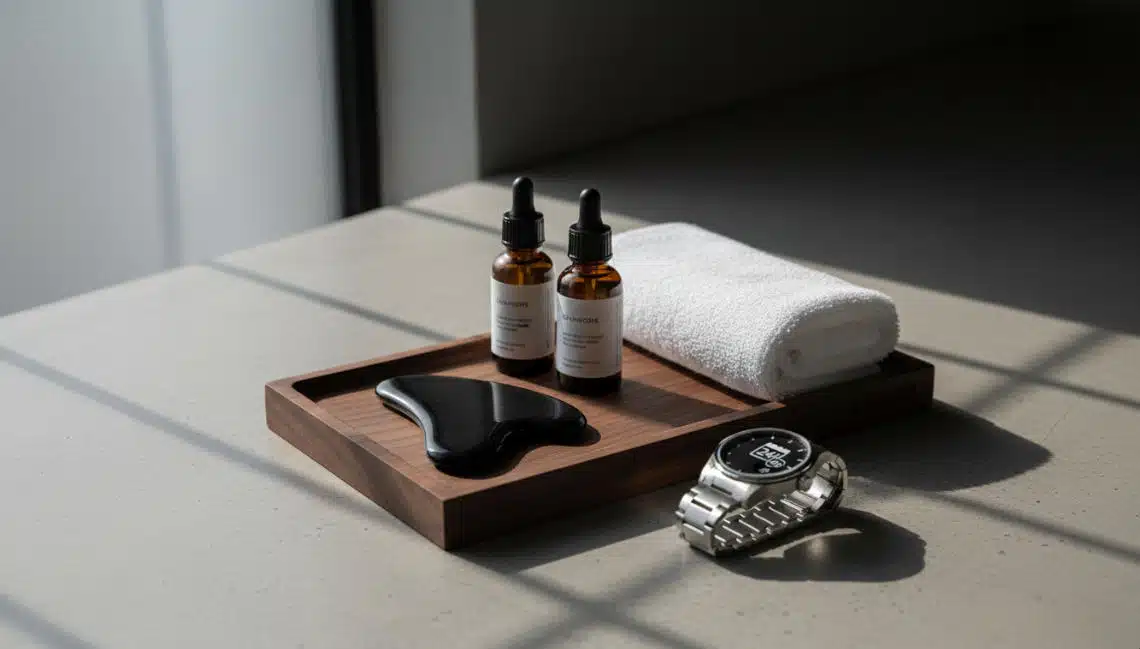
Most people who study how to use gua sha correctly focus on technique, pressure, and tool material. Post-session beverage choices rarely appear in instructional content. Yet alcohol is one of the most physiologically relevant gua sha downside factors in the recovery window — not because of dramatic acute effects, but because of how its specific biochemical actions interact with the vascular and hepatic processes that gua sha massage sets in motion.
What Alcohol May Do to Gua Sha After Treatment Marks
After gua sha, the skin contains areas of intentional petechiae — subcutaneous marks formed where capillaries have released small amounts of blood into surrounding tissue under controlled scraping pressure. Known in Chinese medicine as sha, these marks are considered evidence of treatment efficacy. Under healthy recovery conditions, this extravasated blood is reabsorbed by the body over 24 to 72 hours. Alcohol introduces two simultaneous complications to that reabsorption process.
First, ethanol is a pharmacologically established vasodilator. It signals blood vessels to expand — the opposite vascular direction needed for post-gua sha reabsorption and mark resolution. Second, alcohol imposes additional demand on hepatic processing at the same time the liver is managing the metabolic byproducts mobilized during gua sha massage — including cellular debris from newly disrupted fascial adhesions. A peer-reviewed overview of alcohol’s systemic vascular effects, available through PubMed via the National Library of Medicine, confirms that ethanol affects capillary permeability and vasomotor tone — effects that are plausibly counterproductive in the post-gua sha after care context, though direct studies measuring alcohol’s effect specifically on gua sha mark resolution do not currently exist in the published literature.
Why This Gua Sha Downside Extends Beyond Surface Appearance
The NIH-indexed study on gua sha’s biological mechanisms identified upregulation of heme oxygenase-1 (HO-1) — an anti-inflammatory enzyme — as part of the post-session physiological response. Alcohol metabolism is known to affect HO-1 activity, though the specific interaction between alcohol consumption and gua sha-induced HO-1 upregulation has not been studied directly. What the evidence does support is that both alcohol and gua sha independently affect systemic inflammation pathways — combining them in close temporal proximity is unlikely to be neutral, even if the precise magnitude of interference has not been quantified in clinical trials.
The conservative and clinically defensible recommendation is to avoid alcohol for at least 24 hours following any gua sha massage session. This is an area where the traditional Chinese medicine guidance and the available physiological evidence both point in the same direction, even if the strength of direct clinical evidence remains limited. If you practice how to gua sha on a regular basis, alcohol’s cumulative interaction with your recovery windows becomes a variable worth tracking in your own response over time.
Sun and Cold Exposure After Gua Sha: The Environmental Gua Sha Risk Most Guides Miss
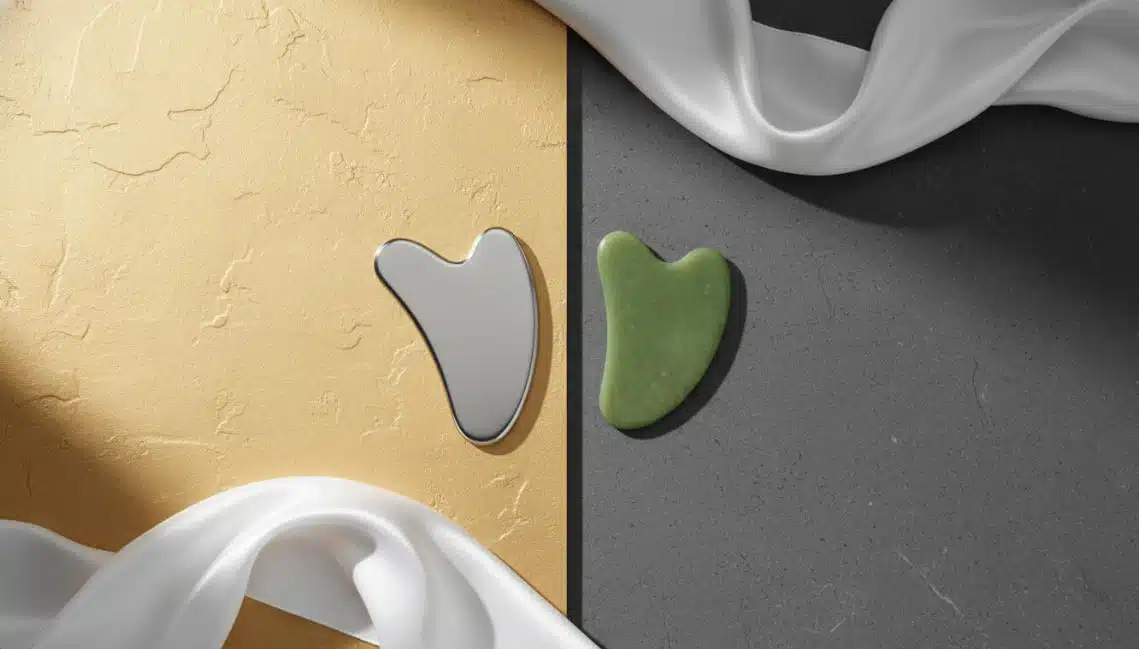
The skin emerging from a gua sha massage session is measurably different from its pre-session state: superficial capillaries have been mechanically stimulated, the epidermis carries micro-level disruption consistent with controlled capillary release, and the stratum corneum — the outermost skin barrier layer — is temporarily more permeable than baseline. Two environmental conditions exploit that altered state in ways that produce tangible, sometimes persistent consequences: direct ultraviolet radiation and acute cold or wind exposure.
How Sun Exposure Turns Gua Sha After Marks Into Lasting Pigmentation
The connection between UV exposure and post-inflammatory hyperpigmentation (PIH) in mechanically disrupted skin is well-established in dermatology. The American Academy of Dermatology (AAD) documents that any form of inflammation or micro-injury to skin — including post-procedure conditions — can trigger excess melanin deposition, particularly in individuals with Fitzpatrick skin Types III–VI. While no published study has specifically measured UV exposure on post-gua sha skin, the dermatological mechanism is the same: UV radiation interacts with hemoglobin in petechial marks and with an already-disrupted melanin regulation system, increasing the likelihood of persistent discoloration in the treatment zone.
The practical implication is clear: treated areas should be covered or protected with broad-spectrum SPF 50 sunscreen for at least 24 hours after gua sha. Mineral-based formulas — zinc oxide or titanium dioxide — are preferable in the immediate post-session window, as they sit on the skin surface rather than requiring absorption through a compromised barrier. This is one of the higher-evidence recommendations in this guide, grounded in established dermatological PIH research rather than preliminary clinical observation alone.
Why Tool Material Affects Post-Session Temperature Sensitivity After Gua Sha
This is a point where material science and clinical outcome must be carefully distinguished. The Gemological Institute of America (GIA) documents that nephrite jade has specific mineral density and thermal conductivity properties. The International Gem Society (IGS) similarly outlines nephrite’s physical characteristics. What these sources establish is the material science of jade — not clinical claims about gua sha treatment outcomes.
What can be stated with reasonable confidence is this: the thermal properties of a tool’s material affect how heat is exchanged between the tool surface and the skin during contact. A tool made from dense natural jade transfers heat more gradually than a thin acrylic or low-density resin tool. Whether this difference produces a clinically meaningful difference in post-session temperature sensitivity has not been studied directly. However, practitioners who work with both natural stone and synthetic tools commonly report observational differences in how clients’ skin responds post-session. Selecting a tool made from verified natural material — confirmed by recognized gemological standards — at minimum eliminates the variable of synthetic material behavior from your gua sha after care equation. The SSEF — Swiss Gemmological Institute provides internationally recognized certification frameworks for distinguishing natural gemstones from synthetic or imitation alternatives.
What You Eat and Drink After Gua Sha: The Dietary Gua Sha Downside That Slows Recovery
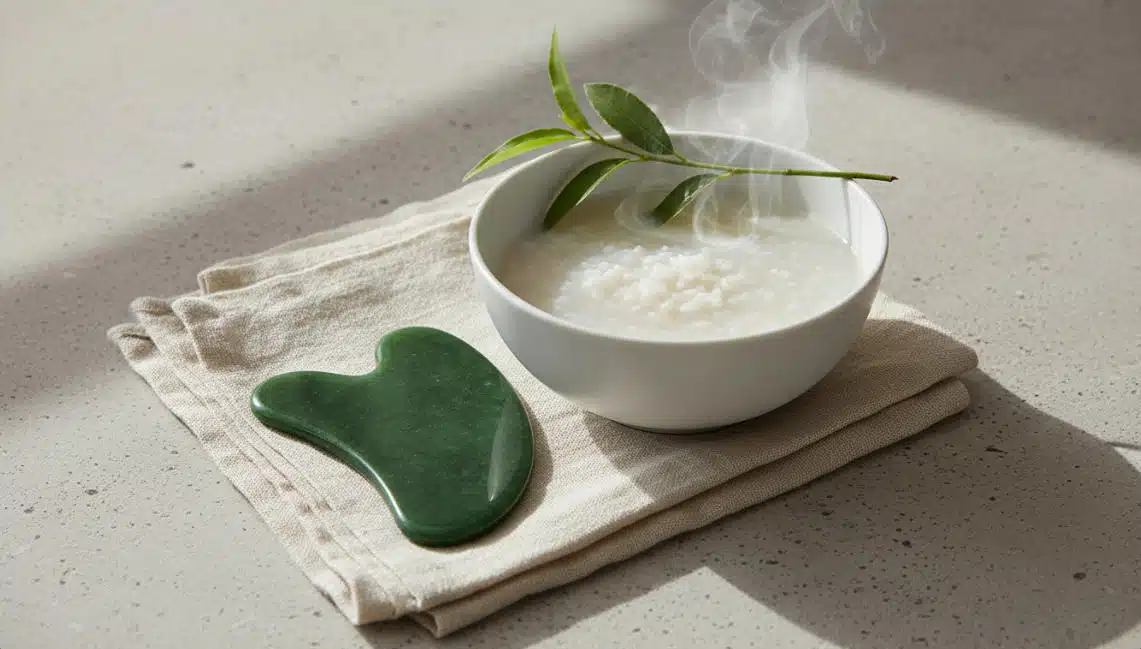
The relationship between diet and gua sha after care recovery is grounded in both traditional Chinese medicine dietary theory and basic gastrointestinal physiology. After a scraping session, the body enters a period of elevated metabolic activity: lymphatic flow has increased, tissue-level metabolic waste has been mobilized, and the liver and kidneys are processing the byproducts of that mobilization. According to TCM dietary practice — which has guided post-treatment protocols for centuries, even in the absence of modern clinical trial validation — introducing thermally “cold” or energetically “damp” foods during this window is considered counterproductive to the recovery process.
Why Spicy and Oily Food Creates a Gua Sha Downside After Your Session
Capsaicin, the active compound in spicy foods, is a known peripheral vasodilator and mucosal irritant. Consuming capsaicin-rich foods while the body is already managing elevated surface circulation from a gua sha massage session may layer competing vasodilatory demands — though direct studies measuring this interaction in a gua sha context are not available. What is established in gastrointestinal research is that high-capsaicin and high-fat meals measurably increase intestinal permeability and promote systemic low-grade inflammation. Research published through Harvard Health confirms that dietary patterns high in processed and fried foods are associated with elevated systemic inflammatory markers. Since gua sha after care aims to support the body’s own inflammation resolution process, high-load inflammatory foods work against that goal at a basic biochemical level.
From a TCM standpoint, post-treatment dietary guidance consistently emphasizes warm, easily digestible foods — rice congee, vegetable broths, steamed greens — not because of specific clinical evidence linking these foods to faster mark resolution, but because these foods are considered supportive of the digestive “middle burner” during a period of systemic adjustment. Both the Western physiological rationale and the traditional dietary framework converge on the same practical recommendation: keep post-session meals simple, warm, and low in inflammatory food compounds.
Cold Drinks After Gua Sha: Traditional Guidance and Physiological Rationale
The recommendation to avoid cold beverages after gua sha is primarily rooted in traditional Chinese medicine’s theory of thermal balance during recovery. In TCM, cold beverages are considered disruptive to the stomach’s “warming” function during a period when the body requires thermal coherence to complete its healing response. From a Western physiological standpoint, cold beverages do cause a measurable reduction in gastric motility and may temporarily influence peripheral circulation via thermoregulatory reflexes — though the clinical significance of this effect specifically in a post-gua sha after care context has not been directly studied.
Warm water, unsweetened herbal teas, or warm broth are the universally recommended alternatives across both TCM and integrative practice guidelines. Rather than citing a specific volume target without adequate sourcing, the practical guidance here is to drink warm fluids consistently throughout the post-session window — the goal being to support kidney elimination and lymphatic flow, not to meet an arbitrary hydration number. This is a low-risk, high-plausibility recommendation for any how to use gua sha practitioner to integrate into their post-session routine.
How to Use Gua Sha Safely: Why Post-Session Skincare Products Require a Different Standard
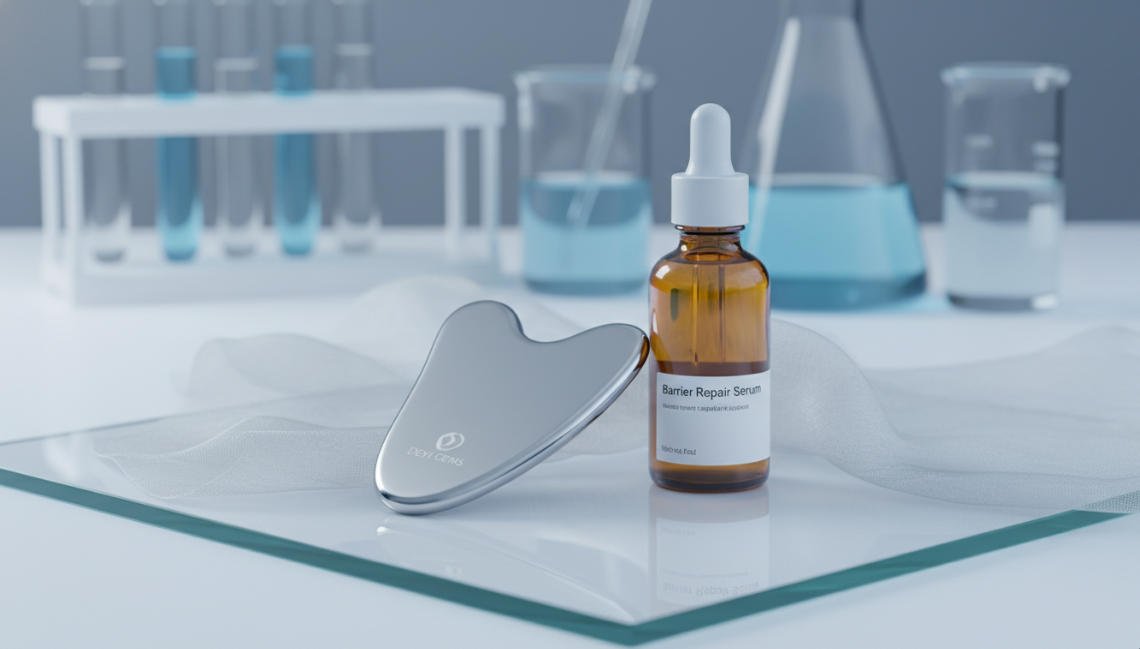
Understanding how to use gua sha correctly requires thinking about the full session arc — not just the scraping technique itself. The skincare products applied in the 60 to 90 minutes after gua sha interact with a skin barrier that is in a temporarily altered state, and the wrong choices can introduce chemical irritants at a level of skin penetration that would not occur under normal conditions.
What Makes Gua Sha After Skin More Vulnerable to Topical Products
The mechanical action of gua sha massage disrupts the stratum corneum — the skin’s primary chemical barrier — to a degree consistent with any controlled micro-trauma procedure. The American Academy of Dermatology recognizes mechanical disruption as a key factor that temporarily increases skin permeability and sensitization. In that state, ingredients that the intact stratum corneum would normally block or filter may penetrate more deeply than usual; ingredients that cause mild surface irritation under normal conditions may produce significantly more intense reactions after gua sha.
Specific ingredients to avoid for at least two to four hours post-treatment include: ethanol-based toners and astringents, retinoids (retinol and prescription tretinoin), alpha-hydroxy acids (glycolic, lactic, mandelic), beta-hydroxy acids (salicylic acid), and fragrance concentrations above trace levels. This guidance aligns with standard post-procedure skincare recommendations published by the AAD for any treatment that intentionally compromises the skin’s surface layer — though again, gua sha-specific studies on post-treatment product reactions are limited in the current literature. The principle, however, is consistent with well-established dermatological guidance on compromised barrier care.
Safe Skincare After Gua Sha: What the Evidence Supports
Post-barrier-disruption skincare should prioritize occlusion and barrier repair over active treatment. Ceramide-based moisturizers, plain hyaluronic acid serums, aloe vera gel (fragrance-free formulations), and room-temperature plant oils such as jojoba or rosehip are appropriate choices with established safety profiles on sensitive and compromised skin. These are not novel recommendations — they reflect the same principles the AAD applies to post-laser and post-peel skin care, adapted to the specific context of gua sha after treatment.
If you practice how to gua sha regularly on the face, apply your chosen barrier product using clean fingertips and light tapping pressure only — no rubbing, no tool reapplication, no massage. This means that truly knowing how to use gua sha correctly extends to the 90 minutes of restraint that follow, not just the 20 minutes of technique that define the session itself.
Exercise After Gua Sha Massage: Why Waiting Matters More Than You Might Expect
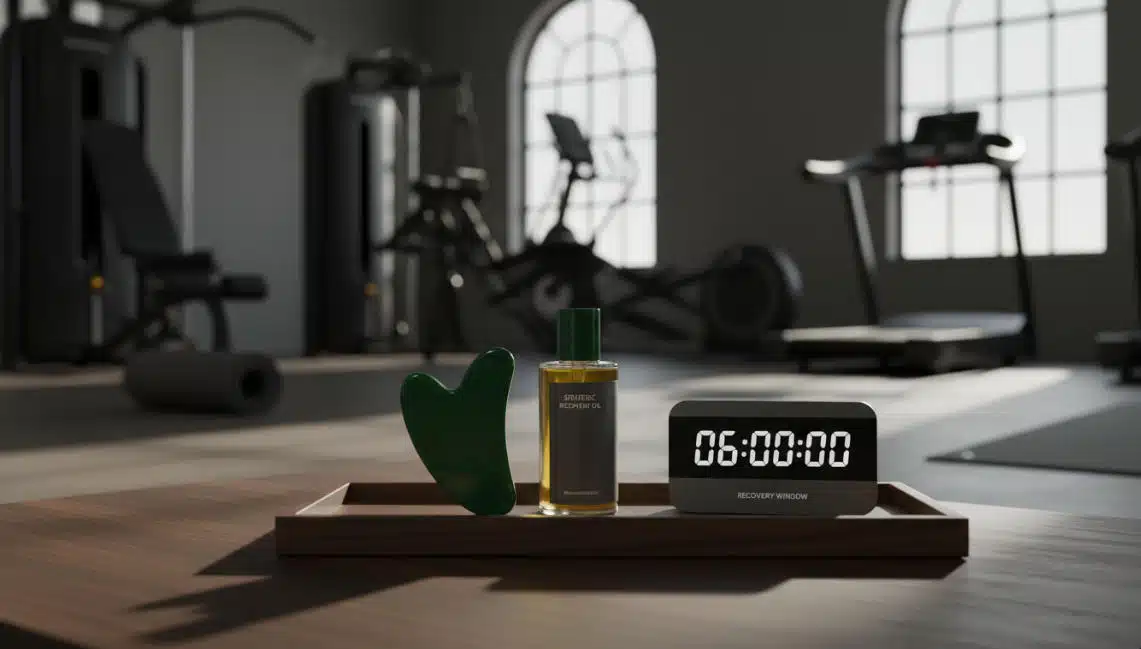
One of the least intuitive gua sha risk factors is exercise — precisely because gua sha massage often produces a sensation of physical looseness and increased energy in treated areas. That post-session feeling can make exercise seem not just appropriate but desirable. It is worth understanding why that sensation occurs and what it does and does not indicate about your body’s readiness for physical load.
The Physiology of Why Exercise May Backfire After Gua Sha
During gua sha massage, blood is directed toward the skin and upper musculature as part of the therapeutic response. Physical exercise creates competing cardiovascular demands: the heart must simultaneously redirect blood toward working muscle groups while the skin-level circulatory system is still in the elevated-flow state associated with treatment. Practitioners who work with clients in integrative wellness settings commonly report that clients who exercise within an hour after gua sha describe dizziness, premature fatigue, and lightheadedness at intensities they normally tolerate without difficulty. While this is observational data rather than controlled trial evidence, the hemodynamic rationale for the experience is physiologically coherent.
There is also a connective tissue consideration specific to post-session movement. Gua sha massage mechanically disrupts adhesions in the fascial and muscular layer of treated areas. In the hours following treatment, that tissue is in a state of active remodeling. High-load or high-velocity movements applied to a zone that has just undergone fascial disruption may increase the risk of minor connective tissue strain — a gua sha risk that is proportional to both session intensity and exercise load. This, too, rests primarily on physiological plausibility and practitioner observation rather than direct experimental data; honest disclosure of that evidence level is part of applying this information responsibly.
How Long to Wait Before Exercising After Gua Sha
The practitioner consensus, reflected across multiple integrative and TCM post-care guides, is to wait a minimum of four to six hours before moderate-to-intense exercise following a full-body gua sha massage session. For facial-only how to gua sha protocols, light walking at a pace that keeps your heart rate comfortably low is generally acceptable within 60 minutes, but elevated-intensity activity is better deferred by two to three hours to allow facial microcirculation to stabilize.
Light walking at a leisurely pace is considered supportive of gua sha after recovery rather than disruptive to it — ambient-pace movement sustains gentle lymphatic flow without imposing competing cardiovascular demand. If you train intensively and schedule gua sha massage as part of your recovery toolkit, plan sessions on dedicated rest days or at the conclusion of your training window rather than before or between training blocks. This is the configuration where gua sha can complement athletic recovery rather than introduce unnecessary physiological conflict.
The Complete After Gua Sha Recovery Protocol: A Time-Indexed Framework
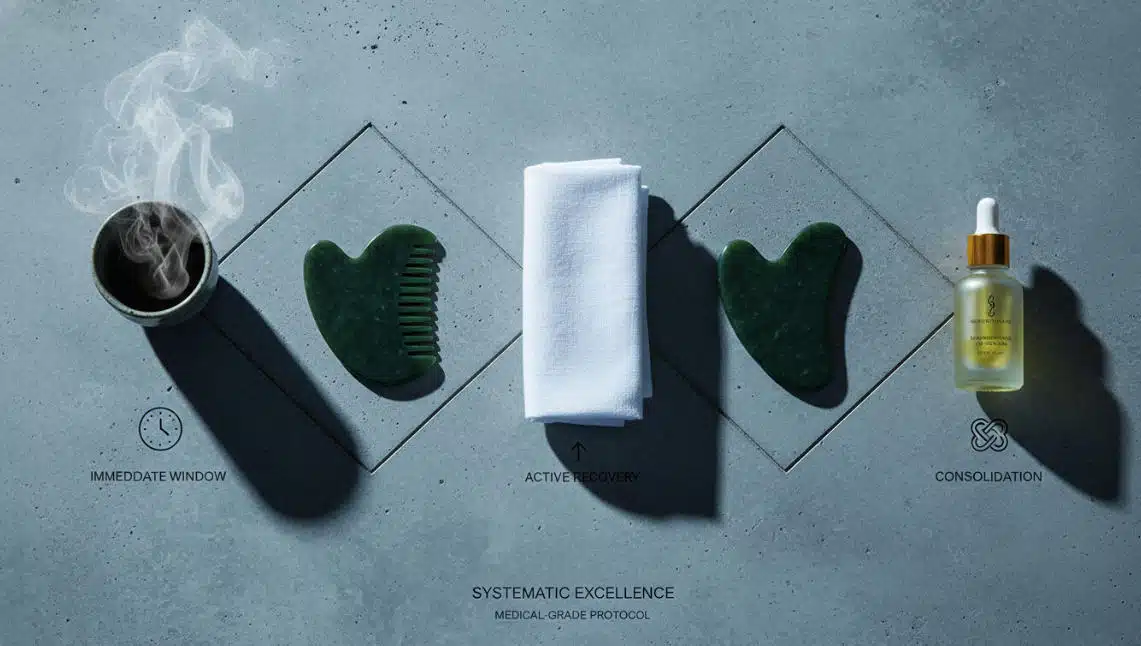
Understanding what to avoid after gua sha is half the answer. The other half is a structured, time-indexed recovery approach that supports every benefit your session produced. The following framework is organized around three consecutive phases, each with specific priorities.
How to Gua Sha the Right Way: Three Recovery Phases
Phase 1 — Immediate Window (0–2 hours after gua sha): This is the highest-risk period for post-session interference. Keep all treated areas at ambient temperature, away from cold water, cold air, and wind. Drink warm fluids consistently — herbal tea, warm water, or broth. Apply only barrier-supportive skincare (ceramide moisturizer, fragrance-free aloe) using fingertip tapping only. Avoid alcohol, spicy or oily foods, cold beverages, exercise, and all active skincare ingredients. Most of the avoidable mistakes described in this article happen in this window, partly because the post-session sensation of warmth and looseness can be mistaken for a sign of full recovery.
Phase 2 — Active Recovery Window (2–12 hours after gua sha): Gradual reintegration begins here. Warm showering is appropriate once the two-hour mark has passed. Light walking is acceptable. Continue warm fluid intake and prioritize anti-inflammatory whole foods. Maintain sun protection on treated areas. Continue avoiding active skincare ingredients, alcohol, and high-intensity exercise throughout this phase. The body’s inflammation resolution process — whatever physiological form that takes based on current evidence — does the majority of its work in this window, and supporting it with low-inflammatory inputs accelerates the process.
Phase 3 — Consolidation (12–48 hours after gua sha): This is where results become assessable. Treatment marks should be visibly lightening or substantially faded. Skin texture in treated areas typically feels smoother than the pre-session baseline. Clients and practitioners who apply a consistent post-session protocol across multiple sessions report that results compound over time — an observation that aligns with the physiological principle that each session’s benefits build on a cleaner baseline from the one before. Whether this compounding effect holds at the same rate for all individuals is an area where individual variation is significant and population-level data remains limited.
A Note on Tool Selection: What Certification Evidence Can and Cannot Tell You
When selecting any gua sha tool, the most defensible guidance is to verify that the material matches what is claimed on the label. Natural nephrite jade, rose quartz, and other gemstone materials have documented physical properties — including thermal conductivity and mineral density — that distinguish them from acrylic, resin, or synthetic jade composites. The GIA and IGS document those material properties as matters of gemological science. The SSEF provides internationally recognized certification frameworks for gemstone authentication.
What the gemological evidence does not establish — and what no current clinical literature establishes — is a quantified performance advantage of natural stone over well-manufactured synthetic alternatives in a controlled gua sha massage trial. Practitioners and users consistently report preferential experience with natural stone tools, and the material science rationale for that preference is plausible. But “plausible” and “clinically proven” are different standards, and applying the correct standard to each claim is what makes aftercare guidance genuinely trustworthy. Choose your tools based on verified material quality; expect a thoughtful post-session protocol — not the tool alone — to determine the quality of your results.
The Evidence Base for After Gua Sha Care Is Emerging — and Worth Taking Seriously
Every one of the seven risks covered in this guide — cold water, alcohol, UV and cold environmental exposure, inflammatory dietary choices, aggressive skincare, and premature exercise — operates by disrupting the physiological state that gua sha massage creates. Some of these risks are supported by established peer-reviewed dermatological and vascular science. Others rest on traditional East Asian medicine practice with preliminary physiological support but no direct clinical trial validation. This article has attempted to make that distinction explicit at each point, because the gua sha risk to any reader is not just a skin-level outcome — it is also the risk of acting on overstated certainty.
Gua sha is a genuine and historically grounded therapeutic practice. Its research base is growing, anchored by resources including the NCCIH’s gua sha overview and a growing body of studies indexed via the National Library of Medicine. The how to gua sha and how to use gua sha knowledge base available to practitioners and home users is better today than it was a decade ago, and will be better still as more controlled research enters the literature. In the meantime, a conservative, physiologically informed post-session protocol — one that acknowledges what the evidence does and does not support — remains the most defensible approach to protecting and extending every benefit your session produces.
Medical Disclaimer: This article is intended for general informational purposes only and does not constitute medical, dermatological, or clinical advice. After gua sha care recommendations in this guide are based on available peer-reviewed literature, traditional East Asian medicine practice guidelines, and practitioner consensus where direct clinical evidence is absent. Individual responses to gua sha treatment vary. Persons with skin conditions, vascular disorders, bleeding tendencies, or active infections should consult a licensed healthcare provider or qualified TCM practitioner before beginning gua sha treatment. If you experience unusual pain, persistent inflammation, or other adverse reactions following treatment, discontinue and seek professional evaluation.
Editorial Note: The physiological mechanisms described in this article draw on peer-reviewed research indexed by the National Institutes of Health and the Journal of Alternative and Complementary Medicine, alongside established clinical guidance from traditional East Asian medicine practitioners. Where evidence is limited to traditional practice or preliminary clinical studies, this is stated explicitly. This article is informational and does not constitute medical advice. Consult a licensed healthcare provider or qualified TCM practitioner before beginning any gua sha protocol, particularly if you have a skin condition, circulatory disorder, or are taking anticoagulant medications.
Faqs about After Gua Sha
1. How long after gua sha can I shower?
Wait at least one to two hours before showering after gua sha, and use warm water only. Cold or hot water applied to freshly treated skin may disrupt the elevated microcirculation the session produced. If your session focused on the face, lukewarm water with clean fingertips is sufficient for the first rinse — avoid washcloths or cleansing tools during this window.
2. Can I exercise after a gua sha massage session?
Light walking is generally acceptable within the first hour following a facial gua sha massage, but moderate-to-intense exercise is better deferred for four to six hours after a full-body session. The post-session elevation in skin-surface blood flow creates competing cardiovascular demands when combined with physical training — practitioners commonly observe that clients who exercise too soon report dizziness and premature fatigue at intensities they normally tolerate without difficulty.
3. Why do gua sha marks get darker after drinking alcohol?
Alcohol is a vasodilator — it signals blood vessels to expand at the same time your body needs them to contract in order to reabsorb the subcutaneous marks (sha) that gua sha massage produces. This vascular conflict slows reabsorption and can make marks appear darker and more widespread. Avoid alcohol for at least 24 hours after gua sha to allow the marks to resolve at their natural pace.