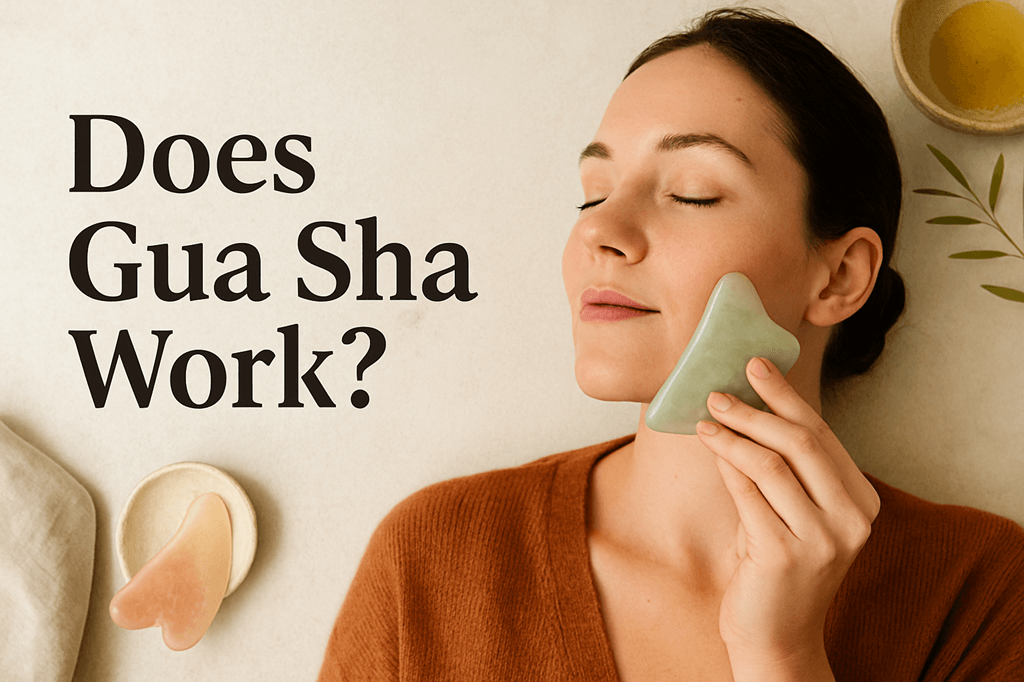
Does Gua Sha Really Work? — A Discussion on the Intersection of Science and Tradition
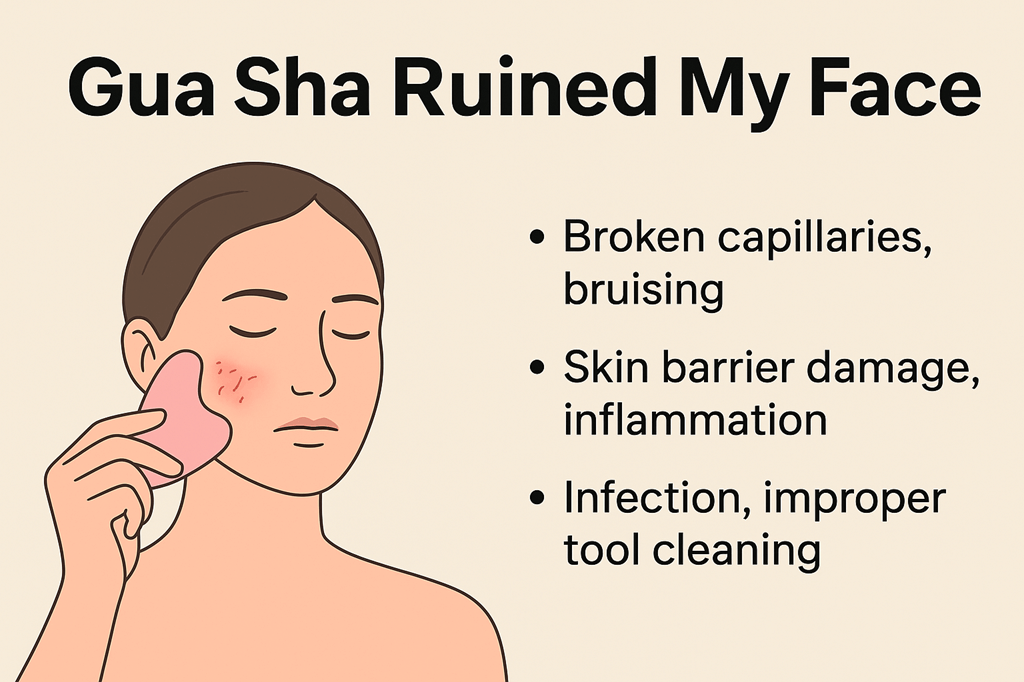
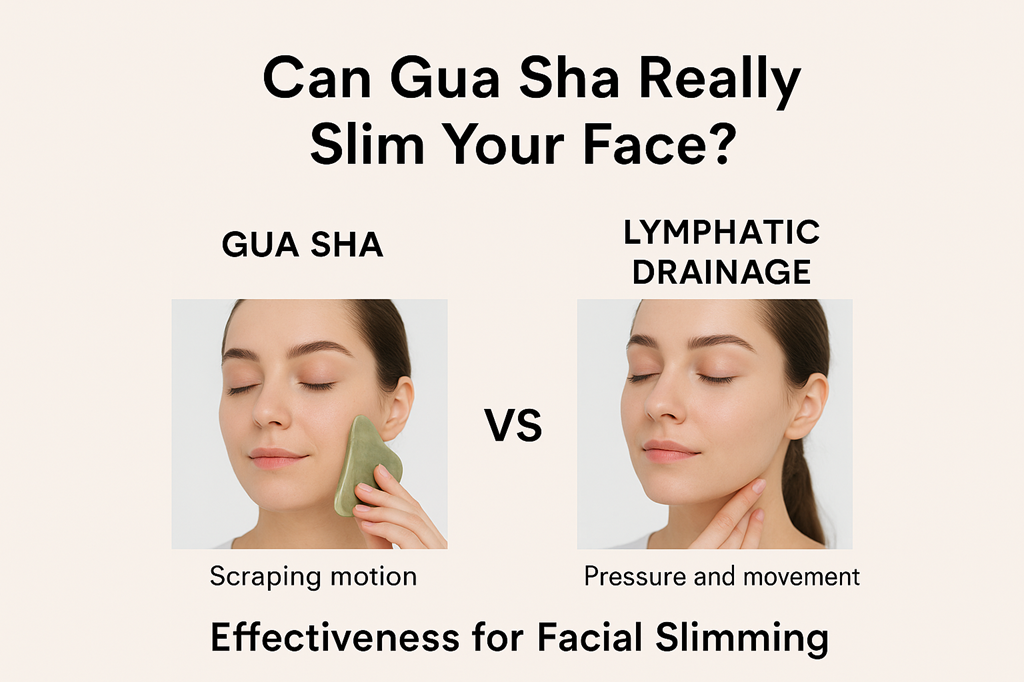
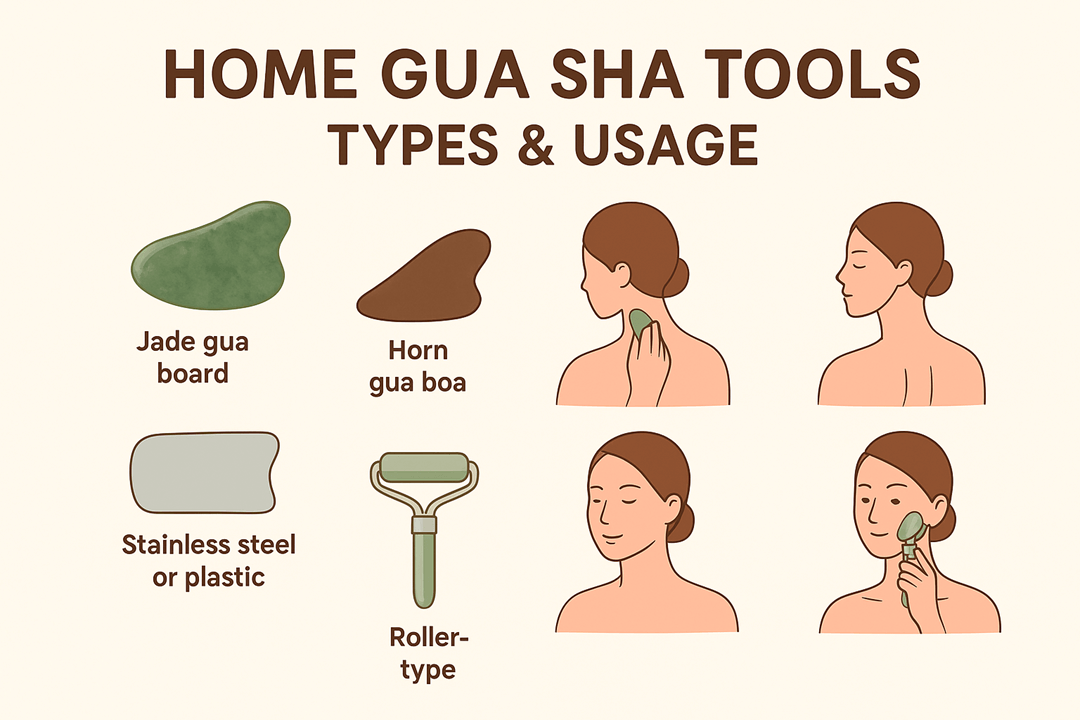
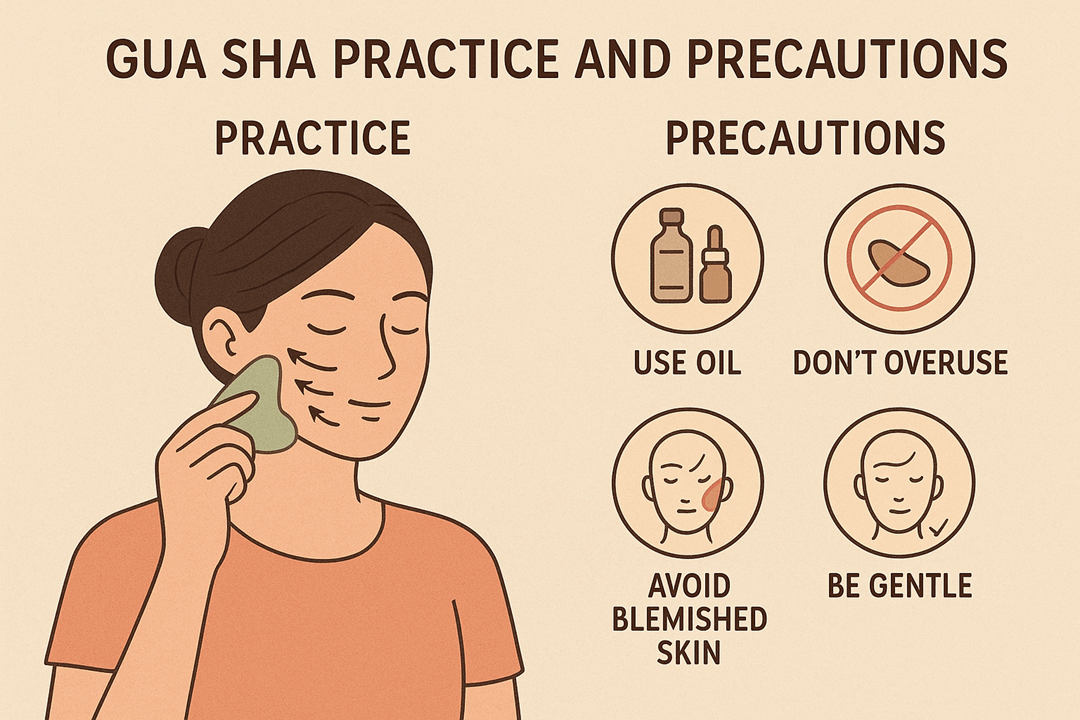
Does gua sha really work? With the global popularity of guasha therapy, the above question is inevitable. Through various social media sharing and the display of various guasha-related blog posts, it seems to prove that guasha is indeed effective. However, how much truth is there in these related content sharing? How much scientific principles exist? This is the topic we will explore today. The Origin and Principle of Guasha Gua Sha originated in China. While there’s no definitive date for its invention, existing data indicates it has a history of over a thousand years (nearly two thousand years). Throughout this period, Gua Sha has been widely used as a folk remedy. In Traditional Chinese Medicine (TCM), it’s believed that maintaining a balance between Qi and blood is crucial for maintaining health. Once Qi and blood become blocked or unbalanced, illness can afflict the body. guasha’s principles are believed to relax muscles and tendons, promote blood circulation, and relieve pain (though this has yet to be fully scientifically proven). Currently, Guasha is increasingly used for beauty, relaxation, and self-healing. Particularly in Europe and the United States, Guasha’s popularity for beauty treatments far outweighs its traditional medical applications. While its cosmetic benefits are a relatively recent development, they are one of the most important factors driving guasha’s globalization. Is Gua Sha Really Effective From a Scientific Perspective? Although scientific research on Gua Sha therapy is currently insufficient, particularly regarding its cosmetic benefits, a growing number of studies are attempting to analyze and demonstrate its true effectiveness from a scientific perspective. Through these studies, we can further explore the realities behind guasha: A clinical trial published in Pain Medicine (2011) showed that after a single neck Gua Sha treatment, participants’ pain scores decreased significantly within a short period of time, and their neck range of motion improved significantly. This suggests that guasha may have short-term therapeutic effects on muscle tension pain. A joint study by Harvard Medical School and the China Academy of Chinese Medical Sciences found that Gua Sha can activate the immune response of skin endothelial cells and increase blood levels of white blood cells and antioxidant enzymes. This suggests that Guasha is not only a physical stimulation but may also play a role in regulating the body’s immune function. Thermography and Doppler ultrasound studies have shown that Gua Sha can increase local skin temperature by 2–3°C and microcirculatory blood flow by more than fourfold. This effect can last from 30 minutes to several hours, providing a physiological basis for its metabolic and detoxification benefits. While the aforementioned studies confirm the potential efficacy of guasha, current research lacks substantial clinical data, potentially leading to the so-called survivor bias. Therefore, we do not recommend using guasha as a primary treatment. Why Gua Sha is So Popular in the Beauty Industry? Gua Sha’s success in the beauty industry is largely due to three factors: 1. Market demand, 2. Product features, and 3. Distribution channels. The synergy of these three factors has enabled guasha to rise in the beauty industry, expanding from China to the global market. With the improvement of people’s quality of life, the pursuit of non-invasive treatments has increased. Many beauty enthusiasts are seeking natural beauty treatments that enhance their appearance through non-drug methods. Gua Sha, as a physical therapy, perfectly fits the bill for non-invasive treatments. Furthermore, guasha tools are very competitively priced compared to skincare products that can cost tens or even hundreds of dollars. Especially if properly stored, a Guasha tool can last for years. Furthermore, Guasha tools are compact and portable, allowing for facial treatments anytime, anywhere. In recent years, with the widespread adoption of social media platforms like TikTok and YouTube, and the support of various related companies, the search index for Gua Sha has skyrocketed. This is especially true in Europe and the United States, where a large number of videos demonstrating guasha have emerged. Limitations and Precautions of Guasha Gua Sha does have theoretical efficacy and has certain scientific evidence and clinical data, but it also has certain limitations and precautions. Does Gua Sha Work? A Rational Approach is the best Approach. Various clinical data and scientific studies have demonstrated that Gua Sha has certain benefits in relieving muscle tension, promoting blood circulation, and boosting local metabolic rates. A growing number of research cases continue to confirm the positive effects of Guasha in these areas. However, the widespread claims on social media regarding Guasha’s “detoxifying, slimming, and anti-aging” benefits are currently largely hype, lacking sufficient scientific evidence to support these claims. Therefore, we need to approach them with caution. Furthermore, negative experiences with Gua Sha demonstrate that it carries certain risks and can negatively impact our health if used improperly. Thus, the value of guasha may lie not in its pursuit of “instant results,” but rather in its provision of a gentle, sustainable form of self-care. As long as it is used correctly, contraindications are understood, and overreliance is avoided, it can become a safe and beneficial traditional therapy in modern people’s daily health management.
Does Gua Sha Really Work? — A Discussion on the Intersection of Science and Tradition Read More »
Does gua sha really work? With the global popularity of guasha therapy, the above question is inevitable. Through various social media sharing and the display of various guasha-related blog posts, it seems to prove that guasha is indeed effective. However, how much truth is there in these related content sharing? How much scientific principles exist? This is the topic we will explore today. The Origin and Principle of Guasha Gua Sha originated in China. While there’s no definitive date for its invention, existing data indicates it has a history of over a thousand years (nearly two thousand years). Throughout this period, Gua Sha has been widely used as a folk remedy. In Traditional Chinese Medicine (TCM), it’s believed that maintaining a balance between Qi and blood is crucial for maintaining health. Once Qi and blood become blocked or unbalanced, illness can afflict the body. guasha’s principles are believed to relax muscles and tendons, promote blood circulation, and relieve pain (though this has yet to be fully scientifically proven). Currently, Guasha is increasingly used for beauty, relaxation, and self-healing. Particularly in Europe and the United States, Guasha’s popularity for beauty treatments far outweighs its traditional medical applications. While its cosmetic benefits are a relatively recent development, they are one of the most important factors driving guasha’s globalization. Is Gua Sha Really Effective From a Scientific Perspective? Although scientific research on Gua Sha therapy is currently insufficient, particularly regarding its cosmetic benefits, a growing number of studies are attempting to analyze and demonstrate its true effectiveness from a scientific perspective. Through these studies, we can further explore the realities behind guasha: A clinical trial published in Pain Medicine (2011) showed that after a single neck Gua Sha treatment, participants’ pain scores decreased significantly within a short period of time, and their neck range of motion improved significantly. This suggests that guasha may have short-term therapeutic effects on muscle tension pain. A joint study by Harvard Medical School and the China Academy of Chinese Medical Sciences found that Gua Sha can activate the immune response of skin endothelial cells and increase blood levels of white blood cells and antioxidant enzymes. This suggests that Guasha is not only a physical stimulation but may also play a role in regulating the body’s immune function. Thermography and Doppler ultrasound studies have shown that Gua Sha can increase local skin temperature by 2–3°C and microcirculatory blood flow by more than fourfold. This effect can last from 30 minutes to several hours, providing a physiological basis for its metabolic and detoxification benefits. While the aforementioned studies confirm the potential efficacy of guasha, current research lacks substantial clinical data, potentially leading to the so-called survivor bias. Therefore, we do not recommend using guasha as a primary treatment. Why Gua Sha is So Popular in the Beauty Industry? Gua Sha’s success in the beauty industry is largely due to three factors: 1. Market demand, 2. Product features, and 3. Distribution channels. The synergy of these three factors has enabled guasha to rise in the beauty industry, expanding from China to the global market. With the improvement of people’s quality of life, the pursuit of non-invasive treatments has increased. Many beauty enthusiasts are seeking natural beauty treatments that enhance their appearance through non-drug methods. Gua Sha, as a physical therapy, perfectly fits the bill for non-invasive treatments. Furthermore, guasha tools are very competitively priced compared to skincare products that can cost tens or even hundreds of dollars. Especially if properly stored, a Guasha tool can last for years. Furthermore, Guasha tools are compact and portable, allowing for facial treatments anytime, anywhere. In recent years, with the widespread adoption of social media platforms like TikTok and YouTube, and the support of various related companies, the search index for Gua Sha has skyrocketed. This is especially true in Europe and the United States, where a large number of videos demonstrating guasha have emerged. Limitations and Precautions of Guasha Gua Sha does have theoretical efficacy and has certain scientific evidence and clinical data, but it also has certain limitations and precautions. Does Gua Sha Work? A Rational Approach is the best Approach. Various clinical data and scientific studies have demonstrated that Gua Sha has certain benefits in relieving muscle tension, promoting blood circulation, and boosting local metabolic rates. A growing number of research cases continue to confirm the positive effects of Guasha in these areas. However, the widespread claims on social media regarding Guasha’s “detoxifying, slimming, and anti-aging” benefits are currently largely hype, lacking sufficient scientific evidence to support these claims. Therefore, we need to approach them with caution. Furthermore, negative experiences with Gua Sha demonstrate that it carries certain risks and can negatively impact our health if used improperly. Thus, the value of guasha may lie not in its pursuit of “instant results,” but rather in its provision of a gentle, sustainable form of self-care. As long as it is used correctly, contraindications are understood, and overreliance is avoided, it can become a safe and beneficial traditional therapy in modern people’s daily health management.