Why Shouldn’t Body Gua Sha Too Much? – Potential Dangers of Gua Sha
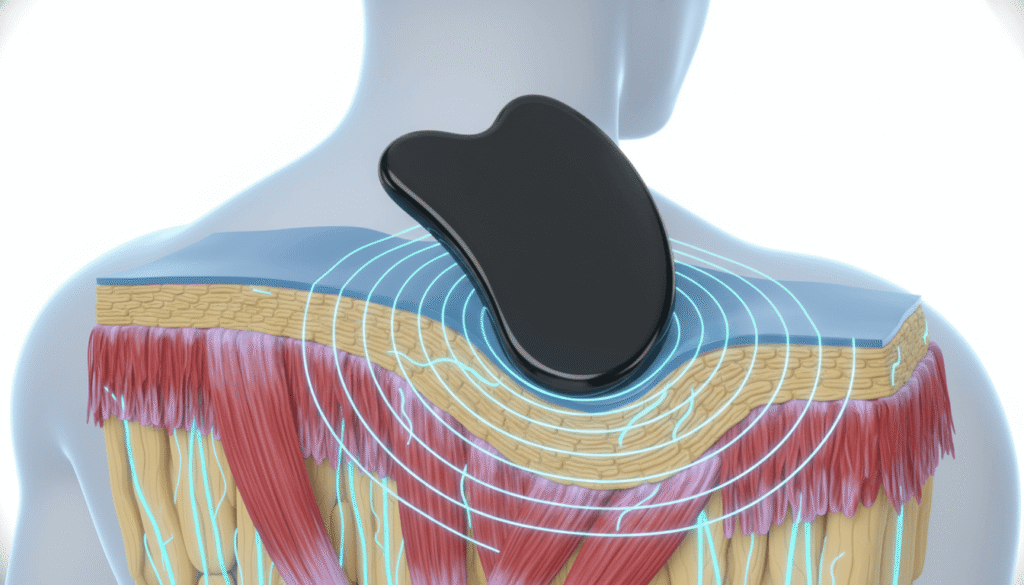
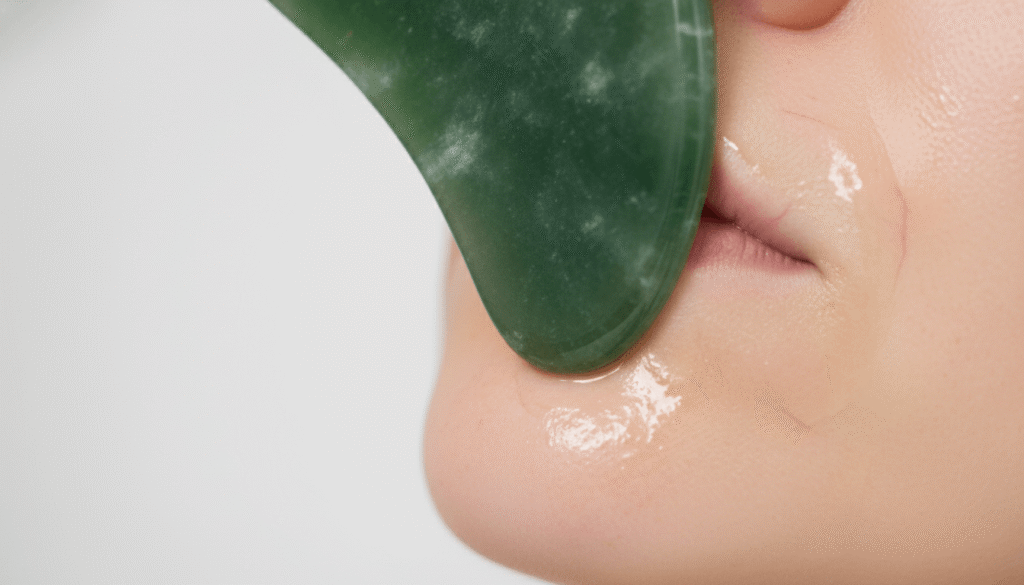
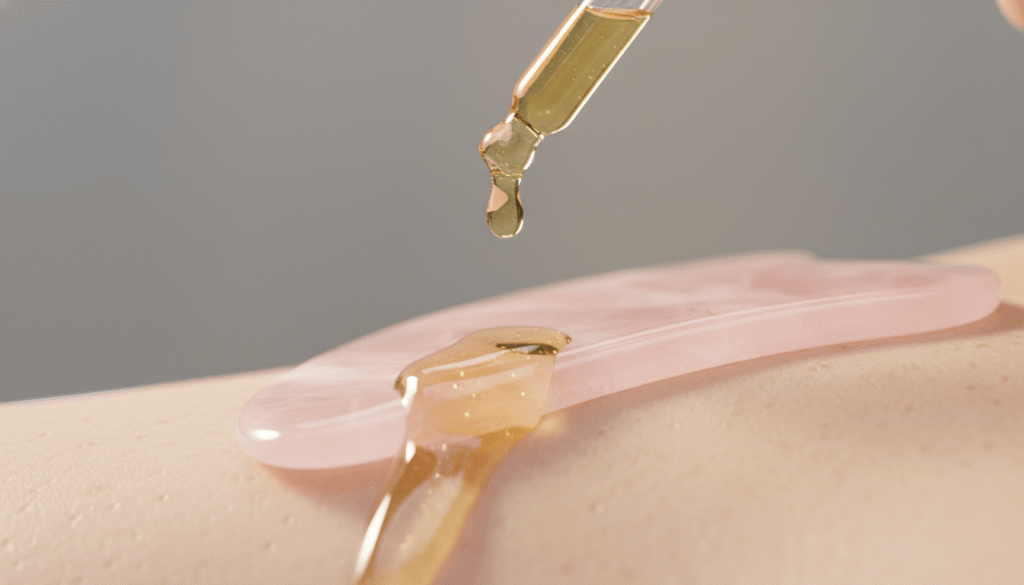
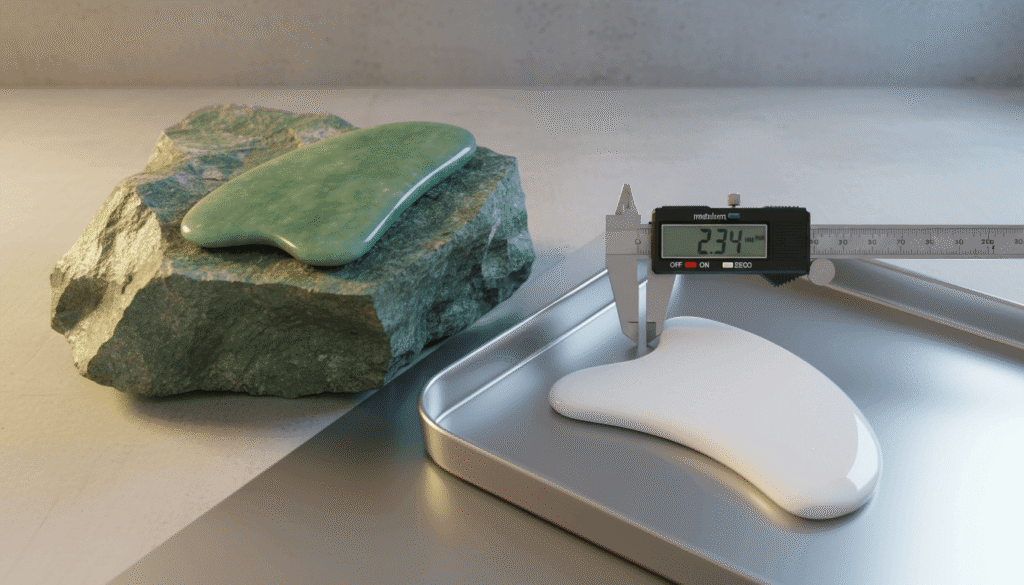
Body gua sha has become increasingly popular in the global wellness and beauty industry. From spa therapy rooms to home self-care routines, people use scraping tools to improve circulation, relax muscles, and promote overall skin vitality. However, as interest grows, one major problem has also become more common: many users are simply doing gua sha too much. More pressure and more frequent sessions do not always lead to better results. In fact, overuse may stress the skin barrier, irritate connective tissues, and slow natural recovery. At Deyi Gems and guashawholesale.com, feedback from estheticians, therapists, and wholesale clients shows that beginners often misunderstand how gua sha works. Many believe visible redness or daily scraping equals effectiveness, even though traditional practice emphasizes moderation and body awareness. This guide explains the science, risks, warning signs, and practical safety strategies related to excessive body gua sha. It also integrates dermatology research, complementary medicine guidelines, and real-world professional observations. Authoritative educational sources such as the American Academy of Dermatology (https://www.aad.org), the National Center for Complementary and Integrative Health (https://www.nccih.nih.gov), DermNet NZ (https://dermnetnz.org), and the World Health Organization (https://www.who.int) are included to improve transparency and credibility. What Does “Gua Sha Too Much” Actually Mean? Too Much Frequency vs. Too Much Pressure Many beginners think that daily scraping will speed up body shaping or muscle recovery. However, skin and fascia need time to repair after mechanical stimulation. Performing body gua sha every day on the same area is often considered excessive for most people. Too much pressure is another common issue. Some users intentionally try to create heavy bruising or intense petechiae. While temporary redness can occur during treatment, repeated aggressive scraping increases inflammation instead of supporting healthy circulation. Understanding Tissue Recovery Time The skin barrier, also called the stratum corneum, protects the body from dehydration and external irritants. Dermatology education from the American Academy of Dermatology explains that repeated mechanical friction can weaken this barrier and increase transepidermal water loss. When gua sha sessions occur too frequently, the skin may not recover fully before the next session begins. Muscles and fascia respond similarly to overtraining. Gentle stimulation may support flexibility, but repeated scraping without rest can lead to soreness, tightness, or chronic irritation. Industry Perspective from Professional Practitioners Professional therapists usually space body gua sha sessions several days apart. Traditional practice focuses on observing the client’s recovery rather than following a rigid schedule. However, social media tutorials sometimes encourage daily routines, which can lead to the pattern known as “gua sha too much.” The Science Behind Overuse: How the Body Reacts to Excessive Gua Sha Skin Barrier Disruption and Microtrauma Dermatology research has shown that repeated friction may weaken the lipid structure of the outer skin layer. A well-known study by Fluhr JW et al. published in the British Journal of Dermatology (2001) demonstrated that mechanical stress increases transepidermal water loss, indicating barrier damage. When gua sha is repeated too often, micro-injuries may accumulate faster than the body can repair them. Instead of smoother skin, users may notice dryness, rough texture, or sensitivity. Inflammatory Response and Capillary Stress Gua sha intentionally increases microcirculation, but excessive sessions may overstimulate inflammatory pathways. Research discussed in dermatology literature such as the Journal of Investigative Dermatology highlights how repeated mechanical stress can lead to prolonged redness and vascular sensitivity. Capillaries are delicate structures. Over-scraping may cause bruising or broken vessels. Occasional redness is normal, but persistent discoloration indicates that sessions may be too frequent or too aggressive. Nervous System Fatigue and Sensory Overload Body gua sha also stimulates nerve endings. Gentle scraping may promote relaxation, but excessive pressure can irritate sensory nerves. Some users report burning sensations or heightened sensitivity when they perform gua sha too much. From a nervous system perspective, repeated strong stimulation may be interpreted as stress instead of therapy, reducing the calming effect that gua sha is meant to provide. Potential Dangers of Doing Body Gua Sha Too Much Skin Irritation and Long-Term Sensitivity Chronic irritation is one of the most common outcomes of excessive scraping. Repeated disruption of the skin barrier may lead to dryness, itching, and prolonged redness. DermNet NZ provides educational materials explaining how friction contributes to barrier damage and irritation (https://dermnetnz.org/topics/frictional-dermatitis). Over time, sensitive skin may become reactive even to gentle skincare products because protective lipids have been weakened. Bruising, Hyperpigmentation, and Vascular Damage Aggressive scraping increases the risk of bruising and small blood vessel damage. Individuals with darker skin tones may develop post-inflammatory hyperpigmentation that lasts weeks or months. This effect often surprises beginners who expect immediate cosmetic improvement. Consistent bruising is not a sign of effective treatment. Instead, it is usually a sign that the body is being pushed beyond its tolerance level. Muscle Strain and Fascia Irritation Gua sha is commonly used for muscle relaxation. However, daily intense sessions may cause soreness similar to overtraining. Fascia responds best to gradual and gentle stretching. Excessive scraping may increase stiffness instead of reducing tension. Athletes who use gua sha for recovery should especially avoid aggressive daily routines, as these may interfere with natural muscle repair cycles. Increased Risk of Infection Damaged skin is more vulnerable to bacteria. Small microtears created by repeated scraping may increase infection risk, especially when tools are not cleaned properly. Safety guidance from the National Center for Complementary and Integrative Health emphasizes hygiene and moderation in traditional therapies (https://www.nccih.nih.gov). Warning Signs That You May Be Doing Gua Sha Too Much Persistent Redness Beyond Normal Recovery Temporary redness is expected, but it should gradually fade within one to two days. Redness lasting several days suggests excessive stimulation. Pain Instead of Gentle Discomfort Gua sha should feel firm yet tolerable. Sharp pain, burning sensations, or nerve-like tingling indicate that tissues may be overstressed. Skin Barrier Symptoms Peeling, dryness, acne flare-ups, or product sensitivity may indicate barrier damage. If these symptoms appear after frequent scraping sessions, reducing frequency is often the first step toward recovery. Clinical and Scientific Foundations Supporting Gua Sha Safety Guidelines Systematic Reviews on Scraping Therapy […]
Why Shouldn’t Body Gua Sha Too Much? – Potential Dangers of Gua Sha Read More »
Body gua sha has become increasingly popular in the global wellness and beauty industry. From spa therapy rooms to home self-care routines, people use scraping tools to improve circulation, relax muscles, and promote overall skin vitality. However, as interest grows, one major problem has also become more common: many users are simply doing gua sha too much. More pressure and more frequent sessions do not always lead to better results. In fact, overuse may stress the skin barrier, irritate connective tissues, and slow natural recovery. At Deyi Gems and guashawholesale.com, feedback from estheticians, therapists, and wholesale clients shows that beginners often misunderstand how gua sha works. Many believe visible redness or daily scraping equals effectiveness, even though traditional practice emphasizes moderation and body awareness. This guide explains the science, risks, warning signs, and practical safety strategies related to excessive body gua sha. It also integrates dermatology research, complementary medicine guidelines, and real-world professional observations. Authoritative educational sources such as the American Academy of Dermatology (https://www.aad.org), the National Center for Complementary and Integrative Health (https://www.nccih.nih.gov), DermNet NZ (https://dermnetnz.org), and the World Health Organization (https://www.who.int) are included to improve transparency and credibility. What Does “Gua Sha Too Much” Actually Mean? Too Much Frequency vs. Too Much Pressure Many beginners think that daily scraping will speed up body shaping or muscle recovery. However, skin and fascia need time to repair after mechanical stimulation. Performing body gua sha every day on the same area is often considered excessive for most people. Too much pressure is another common issue. Some users intentionally try to create heavy bruising or intense petechiae. While temporary redness can occur during treatment, repeated aggressive scraping increases inflammation instead of supporting healthy circulation. Understanding Tissue Recovery Time The skin barrier, also called the stratum corneum, protects the body from dehydration and external irritants. Dermatology education from the American Academy of Dermatology explains that repeated mechanical friction can weaken this barrier and increase transepidermal water loss. When gua sha sessions occur too frequently, the skin may not recover fully before the next session begins. Muscles and fascia respond similarly to overtraining. Gentle stimulation may support flexibility, but repeated scraping without rest can lead to soreness, tightness, or chronic irritation. Industry Perspective from Professional Practitioners Professional therapists usually space body gua sha sessions several days apart. Traditional practice focuses on observing the client’s recovery rather than following a rigid schedule. However, social media tutorials sometimes encourage daily routines, which can lead to the pattern known as “gua sha too much.” The Science Behind Overuse: How the Body Reacts to Excessive Gua Sha Skin Barrier Disruption and Microtrauma Dermatology research has shown that repeated friction may weaken the lipid structure of the outer skin layer. A well-known study by Fluhr JW et al. published in the British Journal of Dermatology (2001) demonstrated that mechanical stress increases transepidermal water loss, indicating barrier damage. When gua sha is repeated too often, micro-injuries may accumulate faster than the body can repair them. Instead of smoother skin, users may notice dryness, rough texture, or sensitivity. Inflammatory Response and Capillary Stress Gua sha intentionally increases microcirculation, but excessive sessions may overstimulate inflammatory pathways. Research discussed in dermatology literature such as the Journal of Investigative Dermatology highlights how repeated mechanical stress can lead to prolonged redness and vascular sensitivity. Capillaries are delicate structures. Over-scraping may cause bruising or broken vessels. Occasional redness is normal, but persistent discoloration indicates that sessions may be too frequent or too aggressive. Nervous System Fatigue and Sensory Overload Body gua sha also stimulates nerve endings. Gentle scraping may promote relaxation, but excessive pressure can irritate sensory nerves. Some users report burning sensations or heightened sensitivity when they perform gua sha too much. From a nervous system perspective, repeated strong stimulation may be interpreted as stress instead of therapy, reducing the calming effect that gua sha is meant to provide. Potential Dangers of Doing Body Gua Sha Too Much Skin Irritation and Long-Term Sensitivity Chronic irritation is one of the most common outcomes of excessive scraping. Repeated disruption of the skin barrier may lead to dryness, itching, and prolonged redness. DermNet NZ provides educational materials explaining how friction contributes to barrier damage and irritation (https://dermnetnz.org/topics/frictional-dermatitis). Over time, sensitive skin may become reactive even to gentle skincare products because protective lipids have been weakened. Bruising, Hyperpigmentation, and Vascular Damage Aggressive scraping increases the risk of bruising and small blood vessel damage. Individuals with darker skin tones may develop post-inflammatory hyperpigmentation that lasts weeks or months. This effect often surprises beginners who expect immediate cosmetic improvement. Consistent bruising is not a sign of effective treatment. Instead, it is usually a sign that the body is being pushed beyond its tolerance level. Muscle Strain and Fascia Irritation Gua sha is commonly used for muscle relaxation. However, daily intense sessions may cause soreness similar to overtraining. Fascia responds best to gradual and gentle stretching. Excessive scraping may increase stiffness instead of reducing tension. Athletes who use gua sha for recovery should especially avoid aggressive daily routines, as these may interfere with natural muscle repair cycles. Increased Risk of Infection Damaged skin is more vulnerable to bacteria. Small microtears created by repeated scraping may increase infection risk, especially when tools are not cleaned properly. Safety guidance from the National Center for Complementary and Integrative Health emphasizes hygiene and moderation in traditional therapies (https://www.nccih.nih.gov). Warning Signs That You May Be Doing Gua Sha Too Much Persistent Redness Beyond Normal Recovery Temporary redness is expected, but it should gradually fade within one to two days. Redness lasting several days suggests excessive stimulation. Pain Instead of Gentle Discomfort Gua sha should feel firm yet tolerable. Sharp pain, burning sensations, or nerve-like tingling indicate that tissues may be overstressed. Skin Barrier Symptoms Peeling, dryness, acne flare-ups, or product sensitivity may indicate barrier damage. If these symptoms appear after frequent scraping sessions, reducing frequency is often the first step toward recovery. Clinical and Scientific Foundations Supporting Gua Sha Safety Guidelines Systematic Reviews on Scraping Therapy […]