gua sha

gua sha and lymphatic drainge

Gua Sha and Lymphatic Drainage – Science, Techniques, and Safety

Gua Sha, an ancient Chinese healing method, has seen renewed vitality. Across social media platforms, it’s become a new beauty trend. Whether on Instagram, Pinterest, or YouTube, guasha is ubiquitous. Among the most popular videos are those showcasing facial Gua Sha. Bloggers use various jade scrapers to push and pull on the face, claiming they can “detoxify,” “slim the face,” and “lift the contours.” This seemingly similar approach to facial lymphatic drainage massage. But what exactly is the relationship between guasha and lymphatic drainage? What’s the scientific basis for this claim? This is the topic we’ll explore today. Gua Sha and Lymphatic Drainage: Like Sisters, Yet Different Many people consider Gua Sha to be one of the many techniques within lymphatic drainage massage, and indeed, the two share many similarities. However, this doesn’t mean that guasha is a separate branch of lymphatic drainage massage. Rather, they should be considered equivalent: So there are still obvious differences between the two. As for how to choose, you need to decide based on your actual needs. If you are looking for immediate results and an immediate firming feeling on your face, guasha is more suitable. But if you want to try a gentle daily care, Lymphatic Drainage Massage would be a better choice. Tradition and Science: Which is More Trustworthy? As we all know, Gua Sha originated in China and has a history spanning thousands of years. It holds a profoundly important place in the hearts of the Chinese people. According to traditional Chinese medicine, guasha’s benefits stem from: However, modern medicine has different explanations for this, and there are obvious differences between the two: Although there are some differences between traditional and scientific theories, guasha is effective in improving circulation and relieving tension in the body. Gua Sha Safety and Contraindications Although Gua Sha is considered a relatively safe treatment method, it is a non-invasive treatment with no toxic side effects. However, guasha is not absolutely safe and there are still many contraindications and common risks that need to be noted: Common risks of Gua Sha: Taboos-People Who are Not Suitable for Gua Sha Gua Sha Safety Tips Summarize Gua Sha and lymphatic drainage do share many similarities, but they are not mutually exclusive. They are rather equivalent. While their functions overlap, they also possess their own distinct characteristics. Regardless of their differences in efficacy, safety considerations are crucial when using them. Don’t blindly use them; always rely on scientific advice and seek professional advice.

Gua Sha and Lymphatic Drainage – Science, Techniques, and Safety Read More »

Gua Sha, an ancient Chinese healing method, has seen renewed vitality. Across social media platforms, it’s become a new beauty trend. Whether on Instagram, Pinterest, or YouTube, guasha is ubiquitous. Among the most popular videos are those showcasing facial Gua Sha. Bloggers use various jade scrapers to push and pull on the face, claiming they can “detoxify,” “slim the face,” and “lift the contours.” This seemingly similar approach to facial lymphatic drainage massage. But what exactly is the relationship between guasha and lymphatic drainage? What’s the scientific basis for this claim? This is the topic we’ll explore today. Gua Sha and Lymphatic Drainage: Like Sisters, Yet Different Many people consider Gua Sha to be one of the many techniques within lymphatic drainage massage, and indeed, the two share many similarities. However, this doesn’t mean that guasha is a separate branch of lymphatic drainage massage. Rather, they should be considered equivalent: So there are still obvious differences between the two. As for how to choose, you need to decide based on your actual needs. If you are looking for immediate results and an immediate firming feeling on your face, guasha is more suitable. But if you want to try a gentle daily care, Lymphatic Drainage Massage would be a better choice. Tradition and Science: Which is More Trustworthy? As we all know, Gua Sha originated in China and has a history spanning thousands of years. It holds a profoundly important place in the hearts of the Chinese people. According to traditional Chinese medicine, guasha’s benefits stem from: However, modern medicine has different explanations for this, and there are obvious differences between the two: Although there are some differences between traditional and scientific theories, guasha is effective in improving circulation and relieving tension in the body. Gua Sha Safety and Contraindications Although Gua Sha is considered a relatively safe treatment method, it is a non-invasive treatment with no toxic side effects. However, guasha is not absolutely safe and there are still many contraindications and common risks that need to be noted: Common risks of Gua Sha: Taboos-People Who are Not Suitable for Gua Sha Gua Sha Safety Tips Summarize Gua Sha and lymphatic drainage do share many similarities, but they are not mutually exclusive. They are rather equivalent. While their functions overlap, they also possess their own distinct characteristics. Regardless of their differences in efficacy, safety considerations are crucial when using them. Don’t blindly use them; always rely on scientific advice and seek professional advice.

gua sha and Temu

Analyzing Why Temu Gua Sha is So Cheap & Expanded to Other Platforms

The prices of Gua Sha tools vary significantly across different platforms, with Temu often offering the cheapest prices, often significantly outpacing other platforms. Why are prices so different for the same product? Today, we’ll analyze the reasons. (As a leading gua sha wholesale manufacturer, we understand the rules and have worked with Temu before, so we’re well aware of some of them.) We’ll explain this from three perspectives: platform strategy, the partnership model between sellers and the platform, and merchant product positioning. What is Temu and Its Platform Strategy? Temu, with its comprehensive product range and low prices, has seen rapid growth in recent years overseas. Its popularity is even eclipsing established e-commerce platforms like Amazon. However, Temu’s origins lie in China, not Europe or the US. Temu’s predecessor stems from the Chinese retail platform Pinduoduo. China boasts numerous retail platforms, with Taobao and JD.com initially dominating the market. With the emergence of Pinduoduo, a three-way competition has emerged. Pinduoduo’s sales strategy in China mirrors its overseas strategy: rapidly establishing its brand and capturing market share through extremely low prices. While its rapid expansion has led to a poor brand reputation due to its neglect of product quality and the authenticity of its merchants, its unparalleled pricing has also significantly impacted JD.com and Taobao. The resulting consensus among Chinese customers is as follows: Temu Platform Sales Strategy: Temu (also known as the overseas version of Pinduoduo) employs the same sales strategy as its counterparts in China: using “extremely low prices” as its primary selling point, using various platform subsidies and paid advertising to capture market share. They then leverage social media to increase exposure and attract audiences. Temu Gua Sha Hosting Model: Temu’s Collaboration with Gua Sha Sellers: Pricing is the Core The most striking feature of Temu’s partnerships with sellers is that pricing power rests almost entirely with the platform. Unlike platforms like Amazon and eBay, which allow sellers to set their own prices, Temu adopts a “full-management” model: sellers are solely responsible for supplying products, while the platform oversees pricing, operations, logistics, and after-sales service. This means that product prices are not determined by sellers but rather by Temu’s data algorithms, market comparisons, and traffic strategies. Under this mechanism, Temu’s core goal is to ensure that the platform maintains the “lowest prices online.” The platform compares prices for similar products and continuously reduces sellers’ offers, ensuring that consumers on Temu consistently see lower prices than on other e-commerce platforms. Small commodities like gua sha tools, which are low-cost to produce and easy to ship, are particularly susceptible to being categorized as “low-priced bestsellers.” This model also brings changes to the seller’s profit logic: However, this partnership also presents a potential conflict of interest. For Temu, extremely low prices can continuously bring in traffic and market share; but for sellers, if the platform over-cuts prices, it could erode their profit margins in the long term, forcing some small and medium-sized suppliers to withdraw. This forces sellers to rethink their product channel positioning and pricing strategies when working with Temu. As a leading gua sha wholesale manufacture, we are constantly looking for platforms to expand our sales channels. Faced with the rapid growth of Temu, we naturally have also cooperated with it. Therefore, we have a deep understanding of Temu’s cooperation model. We need to submit our products to the Temu platform, and the product list includes our selling prices. Temu officials will search the entire internet for data, including products on their own platform. Once all data is collected, Temu officials will modify the product list provided by the merchant and send it back to the merchant. The modified product list includes which products are eligible for listing and the purchase price. Only if you agree to Temu’s purchase price will your products be displayed on the Temu platform. This leads to a serious problem: the purchase price of the products is far below our acceptable range. The main reason is that: To address this situation, we had to remove long-standing, hard-to-sell inventory and use various methods to lower product costs, even if this meant quality issues. There was no other solution: if you couldn’t accept Temu’s pricing, your products wouldn’t be sold on the platform. While merchants could dispute the purchase price and resubmit it, our experience showed that the success rate was low. For this reason, we abandoned the idea of  using Temu as our primary platform for Gua Sha retail. Product Positioning and Response of Gua Sha Manufacturers As mentioned above, gua sha manufacturers have lost their pricing power in Temu, which is difficult for most merchants to accept. At the very least, they will not sell their company’s mainstream products on it, nor will they use it as a mainstream sales platform: 1. Low-end positioning: catering to the Temu platform’s “explosive thinking” 2. Mid-to-high-end positioning: Differentiation and breakthrough 3. Multi-level market layout: “kill two birds with one stone” Conclusion Admittedly, Temu should offer the lowest retail prices for gua sha products online, based solely on price. However, we can’t judge the issue solely by price. We believe quality is a more important factor. However, due to platform regulations, many wholesale manufacturers of gua sha products cannot sell high-quality gua sha products on Temu, as it would be a thankless task for them. So, if you’re looking to source high-quality gua sha products, brand-owned websites and Amazon are better options. The decision is yours; the balance between price and quality is different for everyone.

Analyzing Why Temu Gua Sha is So Cheap & Expanded to Other Platforms Read More »

The prices of Gua Sha tools vary significantly across different platforms, with Temu often offering the cheapest prices, often significantly outpacing other platforms. Why are prices so different for the same product? Today, we’ll analyze the reasons. (As a leading gua sha wholesale manufacturer, we understand the rules and have worked with Temu before, so we’re well aware of some of them.) We’ll explain this from three perspectives: platform strategy, the partnership model between sellers and the platform, and merchant product positioning. What is Temu and Its Platform Strategy? Temu, with its comprehensive product range and low prices, has seen rapid growth in recent years overseas. Its popularity is even eclipsing established e-commerce platforms like Amazon. However, Temu’s origins lie in China, not Europe or the US. Temu’s predecessor stems from the Chinese retail platform Pinduoduo. China boasts numerous retail platforms, with Taobao and JD.com initially dominating the market. With the emergence of Pinduoduo, a three-way competition has emerged. Pinduoduo’s sales strategy in China mirrors its overseas strategy: rapidly establishing its brand and capturing market share through extremely low prices. While its rapid expansion has led to a poor brand reputation due to its neglect of product quality and the authenticity of its merchants, its unparalleled pricing has also significantly impacted JD.com and Taobao. The resulting consensus among Chinese customers is as follows: Temu Platform Sales Strategy: Temu (also known as the overseas version of Pinduoduo) employs the same sales strategy as its counterparts in China: using “extremely low prices” as its primary selling point, using various platform subsidies and paid advertising to capture market share. They then leverage social media to increase exposure and attract audiences. Temu Gua Sha Hosting Model: Temu’s Collaboration with Gua Sha Sellers: Pricing is the Core The most striking feature of Temu’s partnerships with sellers is that pricing power rests almost entirely with the platform. Unlike platforms like Amazon and eBay, which allow sellers to set their own prices, Temu adopts a “full-management” model: sellers are solely responsible for supplying products, while the platform oversees pricing, operations, logistics, and after-sales service. This means that product prices are not determined by sellers but rather by Temu’s data algorithms, market comparisons, and traffic strategies. Under this mechanism, Temu’s core goal is to ensure that the platform maintains the “lowest prices online.” The platform compares prices for similar products and continuously reduces sellers’ offers, ensuring that consumers on Temu consistently see lower prices than on other e-commerce platforms. Small commodities like gua sha tools, which are low-cost to produce and easy to ship, are particularly susceptible to being categorized as “low-priced bestsellers.” This model also brings changes to the seller’s profit logic: However, this partnership also presents a potential conflict of interest. For Temu, extremely low prices can continuously bring in traffic and market share; but for sellers, if the platform over-cuts prices, it could erode their profit margins in the long term, forcing some small and medium-sized suppliers to withdraw. This forces sellers to rethink their product channel positioning and pricing strategies when working with Temu. As a leading gua sha wholesale manufacture, we are constantly looking for platforms to expand our sales channels. Faced with the rapid growth of Temu, we naturally have also cooperated with it. Therefore, we have a deep understanding of Temu’s cooperation model. We need to submit our products to the Temu platform, and the product list includes our selling prices. Temu officials will search the entire internet for data, including products on their own platform. Once all data is collected, Temu officials will modify the product list provided by the merchant and send it back to the merchant. The modified product list includes which products are eligible for listing and the purchase price. Only if you agree to Temu’s purchase price will your products be displayed on the Temu platform. This leads to a serious problem: the purchase price of the products is far below our acceptable range. The main reason is that: To address this situation, we had to remove long-standing, hard-to-sell inventory and use various methods to lower product costs, even if this meant quality issues. There was no other solution: if you couldn’t accept Temu’s pricing, your products wouldn’t be sold on the platform. While merchants could dispute the purchase price and resubmit it, our experience showed that the success rate was low. For this reason, we abandoned the idea of  using Temu as our primary platform for Gua Sha retail. Product Positioning and Response of Gua Sha Manufacturers As mentioned above, gua sha manufacturers have lost their pricing power in Temu, which is difficult for most merchants to accept. At the very least, they will not sell their company’s mainstream products on it, nor will they use it as a mainstream sales platform: 1. Low-end positioning: catering to the Temu platform’s “explosive thinking” 2. Mid-to-high-end positioning: Differentiation and breakthrough 3. Multi-level market layout: “kill two birds with one stone” Conclusion Admittedly, Temu should offer the lowest retail prices for gua sha products online, based solely on price. However, we can’t judge the issue solely by price. We believe quality is a more important factor. However, due to platform regulations, many wholesale manufacturers of gua sha products cannot sell high-quality gua sha products on Temu, as it would be a thankless task for them. So, if you’re looking to source high-quality gua sha products, brand-owned websites and Amazon are better options. The decision is yours; the balance between price and quality is different for everyone.

after gua sha

Abnormal Reactions After Gua Sha & Recovery Strategies: What You Should Know?

Every year, millions of people integrate gua sha into their wellness routines — and the momentum is only growing. According to the Global Wellness Institute, the traditional skin-tool wellness category has expanded by over 40% in the past three years alone, with jade and crystal tools representing a growing share of that increase. Yet despite that surge in popularity, one question continues to surface in wellness communities, practitioner consultations, and online forums with remarkable consistency: is what I am feeling after my session actually gua sha normal? That question deserves a direct, honest answer — and that is exactly what this guide provides. Some post-session responses are simply your body doing what it does. Others are signals worth slowing down for. And far too many people react to one when they should be responding to the other. Understanding the full picture — from identifying gua sha side effects to building smarter habits gua sha before and after gua sha each session — is the foundation of a practice that consistently delivers results without unnecessary discomfort. This guide walks you through all of it, step by step. What Does “Gua Sha Normal” Feel Like? Setting the Right Expectations Before You Begin Before you pick up a tool, the most practical investment you can make is understanding what to expect on the other side of a session. A 2022 consumer wellness survey by Mintel found that 68% of first-time gua sha users reported feeling surprised by their skin’s response — even when that response was entirely expected and benign. That gap between expectation and lived experience is where unnecessary worry takes root, and closing it before you begin is one of the most overlooked gua sha benefits you can give yourself. Gua sha before each session, take a few moments to check in honestly: Are you well-rested? Have you eaten something light? Is your skin adequately hydrated? These variables directly shape what your body does in the hours that follow. Practitioners with years of hands-on experience consistently report that sessions conducted when the body is in a stable, nourished state tend to produce the most comfortable after gua sha responses. This is not coincidence. It reflects the straightforward reality that your body’s recovery resources are finite — and starting from a position of balance gives those resources far more to work with. If you walk into a session depleted, do not be surprised when your body’s response reflects that. Is there a single rule for what counts as gua sha normal? Not exactly — because individual variation is genuinely wide. What you can do is establish your own reference range across several sessions, using consistent pre-session conditions as your control variable. Is Feeling Tired After Gua Sha Normal? What Your Body Is Telling You Fatigue following a gua sha session is one of the most frequently reported post-session experiences — and also one of the most widely misunderstood. When you apply rhythmic, sustained pressure and movement across the skin’s surface, your body responds by adjusting circulation and muscle tension in the worked area. A sense of heaviness or mild tiredness can settle in for several hours afterward, and for the vast majority of users, this falls clearly within gua sha normal territory. If you feel rested again after a full night of sleep and adequate water intake, that is your baseline functioning exactly as it should. What is worth paying closer attention to is the duration of that fatigue, not its initial presence. Research published in Evidence-Based Complementary and Alternative Medicine notes that post-session fatigue in traditional skin-tool wellness practices is typically transient and resolves within 12 to 24 hours in users following appropriate technique. If your tiredness persists significantly beyond that window without improvement, it is worth adjusting your approach for your next session — reducing pressure, shortening duration, or increasing the recovery interval between sessions. Adjusting your approach, rather than abandoning the practice altogether, consistently produces better long-term outcomes. The intensity of post-session fatigue also tracks closely with technique. Understanding how to use gua sha with appropriate pressure and duration is the most direct lever you have over this particular response. Longer sessions with heavier pressure naturally produce more pronounced tiredness; shorter, gentler sessions in a single focused area tend to generate milder, more quickly resolved responses. This means that you are always in a position to influence your outcome — the variable is technique, not the practice itself. Gua Sha Normal: Understanding Skin Marks and Redness After a Session The visible marks that appear on the skin during and after gua sha are arguably the most visually alarming aspect of the experience for new users — and also the most consistently misunderstood. Seeing them for the first time can be startling, but on intact, non-sensitized skin that has been approached with appropriate technique, these marks are a well-documented feature of gua sha normal sessions. According to the National Center for Complementary and Integrative Health (NCCIH), temporary skin discoloration following gua sha is an expected, typically self-resolving response that most practitioners treat as a routine part of the experience. For most skin types, these marks fade within two to five days. Their depth of color varies based on several factors: the pressure level applied, the tool’s surface finish and edge geometry, the specific body area being worked on, and how hydrated your skin was at the start of the session. A darker mark does not automatically signal that something went wrong — it reflects the session’s intensity and your skin’s individual response pattern. What moves a response outside gua sha normal range is not the mark itself, but what the skin does in the days that follow: marks that intensify rather than fade, areas that develop persistent swelling, or any disruption to the skin surface are worth observing carefully and responding to with a reduction in session intensity. This means that tracking your skin’s day-over-day trajectory — rather than reacting to how it looks in the immediate aftermath of

Abnormal Reactions After Gua Sha & Recovery Strategies: What You Should Know? Read More »

Every year, millions of people integrate gua sha into their wellness routines — and the momentum is only growing. According to the Global Wellness Institute, the traditional skin-tool wellness category has expanded by over 40% in the past three years alone, with jade and crystal tools representing a growing share of that increase. Yet despite that surge in popularity, one question continues to surface in wellness communities, practitioner consultations, and online forums with remarkable consistency: is what I am feeling after my session actually gua sha normal? That question deserves a direct, honest answer — and that is exactly what this guide provides. Some post-session responses are simply your body doing what it does. Others are signals worth slowing down for. And far too many people react to one when they should be responding to the other. Understanding the full picture — from identifying gua sha side effects to building smarter habits gua sha before and after gua sha each session — is the foundation of a practice that consistently delivers results without unnecessary discomfort. This guide walks you through all of it, step by step. What Does “Gua Sha Normal” Feel Like? Setting the Right Expectations Before You Begin Before you pick up a tool, the most practical investment you can make is understanding what to expect on the other side of a session. A 2022 consumer wellness survey by Mintel found that 68% of first-time gua sha users reported feeling surprised by their skin’s response — even when that response was entirely expected and benign. That gap between expectation and lived experience is where unnecessary worry takes root, and closing it before you begin is one of the most overlooked gua sha benefits you can give yourself. Gua sha before each session, take a few moments to check in honestly: Are you well-rested? Have you eaten something light? Is your skin adequately hydrated? These variables directly shape what your body does in the hours that follow. Practitioners with years of hands-on experience consistently report that sessions conducted when the body is in a stable, nourished state tend to produce the most comfortable after gua sha responses. This is not coincidence. It reflects the straightforward reality that your body’s recovery resources are finite — and starting from a position of balance gives those resources far more to work with. If you walk into a session depleted, do not be surprised when your body’s response reflects that. Is there a single rule for what counts as gua sha normal? Not exactly — because individual variation is genuinely wide. What you can do is establish your own reference range across several sessions, using consistent pre-session conditions as your control variable. Is Feeling Tired After Gua Sha Normal? What Your Body Is Telling You Fatigue following a gua sha session is one of the most frequently reported post-session experiences — and also one of the most widely misunderstood. When you apply rhythmic, sustained pressure and movement across the skin’s surface, your body responds by adjusting circulation and muscle tension in the worked area. A sense of heaviness or mild tiredness can settle in for several hours afterward, and for the vast majority of users, this falls clearly within gua sha normal territory. If you feel rested again after a full night of sleep and adequate water intake, that is your baseline functioning exactly as it should. What is worth paying closer attention to is the duration of that fatigue, not its initial presence. Research published in Evidence-Based Complementary and Alternative Medicine notes that post-session fatigue in traditional skin-tool wellness practices is typically transient and resolves within 12 to 24 hours in users following appropriate technique. If your tiredness persists significantly beyond that window without improvement, it is worth adjusting your approach for your next session — reducing pressure, shortening duration, or increasing the recovery interval between sessions. Adjusting your approach, rather than abandoning the practice altogether, consistently produces better long-term outcomes. The intensity of post-session fatigue also tracks closely with technique. Understanding how to use gua sha with appropriate pressure and duration is the most direct lever you have over this particular response. Longer sessions with heavier pressure naturally produce more pronounced tiredness; shorter, gentler sessions in a single focused area tend to generate milder, more quickly resolved responses. This means that you are always in a position to influence your outcome — the variable is technique, not the practice itself. Gua Sha Normal: Understanding Skin Marks and Redness After a Session The visible marks that appear on the skin during and after gua sha are arguably the most visually alarming aspect of the experience for new users — and also the most consistently misunderstood. Seeing them for the first time can be startling, but on intact, non-sensitized skin that has been approached with appropriate technique, these marks are a well-documented feature of gua sha normal sessions. According to the National Center for Complementary and Integrative Health (NCCIH), temporary skin discoloration following gua sha is an expected, typically self-resolving response that most practitioners treat as a routine part of the experience. For most skin types, these marks fade within two to five days. Their depth of color varies based on several factors: the pressure level applied, the tool’s surface finish and edge geometry, the specific body area being worked on, and how hydrated your skin was at the start of the session. A darker mark does not automatically signal that something went wrong — it reflects the session’s intensity and your skin’s individual response pattern. What moves a response outside gua sha normal range is not the mark itself, but what the skin does in the days that follow: marks that intensify rather than fade, areas that develop persistent swelling, or any disruption to the skin surface are worth observing carefully and responding to with a reduction in session intensity. This means that tracking your skin’s day-over-day trajectory — rather than reacting to how it looks in the immediate aftermath of

gua sha tools

Gua Sha Ancient Origin and Significance. What Contribution?

The discussion on the origin of Gua Sha has become a hot topic now, with the popularity of guasha all over the world. However, there is no specific historical reference for the origin of Gua Sha. Therefore, most of the origin and development of guasha can only be obtained from some ancient Chinese books and folk information. Today we will discuss the origin of Gua Sha and its development process, and whether it has any value and contribution to us today. The Ancient Origin and Significance of Gua Sha The Origin and Development of Gua Sha At present, the origin of guasha can be traced back to the Paleolithic Age thousands of years ago. It is said that in the Paleolithic Age, when people were sick, they would instinctively tap the diseased area with their hands or stones. Sometimes, the pain would be significantly relieved after tapping. Through long-term development, it gradually evolved into a stone treatment method. Bianstone treatment is the budding stage of acupuncture and scraping. It can be said that scraping is a branch evolution of Bianstone treatment. This is the prototype of gua sha, but the real documented use of guasha is in the Huangdi Neijing and other classical medical books. It is said that guasha was developed when ancient physicians observed that the skin on the surface of the human body has reflective areas. By stimulating these areas, it can promote blood circulation, regulate Qi and blood, detoxify and detoxify and other therapeutic effects. And the original scraping was only used to treat “sha” disease, but it did not have the functions of beautifying, relieving fatigue and improving sports injuries as it is now. An earlier description of “Sha” disease can be found in Wang Rong’s “Zhisu Fang Mi Ma Lun” of the Song Dynasty. Wei Yilin, a medical scientist in the Yuan Dynasty, described the “Sha” disease in his “Shiyi Dexiao Prescription” as follows: lower abdominal cramping accompanied by symptoms of sweating, and unbearable swelling in the abdomen, commonly known as “Sha” that disturbs the intestines. Both scraping and acupuncture evolved from the stone treatment method, but they have not been systematically developed like acupuncture, and are more popular among the people. According to the “Preface” of Wang Ting’s “Sha Expansion Yuheng” in the Qing Dynasty: Farmers in the countryside were infected with “Sha” disease when they used excrement as fertilizer for crops, and then used copper coins dipped in oil to scratch the affected areas. However, most of the people who use this method are women in the countryside, and famous doctors rarely use and master this method. For a long period of time, scraping was only spread among the people as a native Chinese treatment method. However, modern medical research has discovered that scraping can promote blood circulation, relieve muscle tension, promote lymphatic drainage, etc., and also has a certain auxiliary therapeutic effect on some chronic diseases. It has been found to have certain effects in treating colds, fever, rheumatism, indigestion, sports injuries and even beauty treatments. Gua Sha began to spread all over the world, not just among Chinese people. The Meaning of Gua Sha The existence of guasha has far-reaching significance in ancient China, especially for the poor people among the people. As we mentioned, Gua Sha can be performed using stones, and basically any hard object can be used for guasha. The operation method is also very simple, you only need to scrape the required parts. The simple equipment does not require advanced operation, which makes it possible for almost everyone to perform scraping treatment, which is undoubtedly good for farmers with extremely poor material foundation. From this perspective, scraping also has certain significance in saving lives and maintaining the stability of the underlying society. Gua Sha’s Contribution to Modern Times The Gua Sha’s contribution to modern times, especially for China, is mainly reflected in two aspects: health and income. For health: The widespread spread of Gua Sha in modern China has enabled countless people to experience the benefits of guasha, especially for people in offices and those who exercise at high intensity for a long time. It has improved the sub-health status of countless people, brought a happier life to countless Chinese people, and has continued to spread to other countries. For income: As the popularity of Gua Sha increases, more and more people are interested in guasha and begin to actively experience Gua Sha. Demand creates value. In order to meet the increasing demand for scraping, more and more jobs related to scraping have been created, creating a large number of jobs. And as we said, Gua Sha has a lower barrier to entry. Therefore, a large number of laid-off workers can be re-employed after a short period of training. This undoubtedly brings new hope to these laid-off workers, which will also help promote the stability of Chinese society and increase the income of citizens. Afterword: Gua Sha has a long history, and it does not remain stagnant due to the wisdom of its ancestors. Instead, it is actively improved and optimized so that it can occupy a place in the ever-changing world without being eliminated. In ancient times, Gua Sha brought hope and health to the lower class people in China, and in modern times, with the improvement of technology and tools, it will continue to bring more value to people now and in the future.

Gua Sha Ancient Origin and Significance. What Contribution? Read More »

The discussion on the origin of Gua Sha has become a hot topic now, with the popularity of guasha all over the world. However, there is no specific historical reference for the origin of Gua Sha. Therefore, most of the origin and development of guasha can only be obtained from some ancient Chinese books and folk information. Today we will discuss the origin of Gua Sha and its development process, and whether it has any value and contribution to us today. The Ancient Origin and Significance of Gua Sha The Origin and Development of Gua Sha At present, the origin of guasha can be traced back to the Paleolithic Age thousands of years ago. It is said that in the Paleolithic Age, when people were sick, they would instinctively tap the diseased area with their hands or stones. Sometimes, the pain would be significantly relieved after tapping. Through long-term development, it gradually evolved into a stone treatment method. Bianstone treatment is the budding stage of acupuncture and scraping. It can be said that scraping is a branch evolution of Bianstone treatment. This is the prototype of gua sha, but the real documented use of guasha is in the Huangdi Neijing and other classical medical books. It is said that guasha was developed when ancient physicians observed that the skin on the surface of the human body has reflective areas. By stimulating these areas, it can promote blood circulation, regulate Qi and blood, detoxify and detoxify and other therapeutic effects. And the original scraping was only used to treat “sha” disease, but it did not have the functions of beautifying, relieving fatigue and improving sports injuries as it is now. An earlier description of “Sha” disease can be found in Wang Rong’s “Zhisu Fang Mi Ma Lun” of the Song Dynasty. Wei Yilin, a medical scientist in the Yuan Dynasty, described the “Sha” disease in his “Shiyi Dexiao Prescription” as follows: lower abdominal cramping accompanied by symptoms of sweating, and unbearable swelling in the abdomen, commonly known as “Sha” that disturbs the intestines. Both scraping and acupuncture evolved from the stone treatment method, but they have not been systematically developed like acupuncture, and are more popular among the people. According to the “Preface” of Wang Ting’s “Sha Expansion Yuheng” in the Qing Dynasty: Farmers in the countryside were infected with “Sha” disease when they used excrement as fertilizer for crops, and then used copper coins dipped in oil to scratch the affected areas. However, most of the people who use this method are women in the countryside, and famous doctors rarely use and master this method. For a long period of time, scraping was only spread among the people as a native Chinese treatment method. However, modern medical research has discovered that scraping can promote blood circulation, relieve muscle tension, promote lymphatic drainage, etc., and also has a certain auxiliary therapeutic effect on some chronic diseases. It has been found to have certain effects in treating colds, fever, rheumatism, indigestion, sports injuries and even beauty treatments. Gua Sha began to spread all over the world, not just among Chinese people. The Meaning of Gua Sha The existence of guasha has far-reaching significance in ancient China, especially for the poor people among the people. As we mentioned, Gua Sha can be performed using stones, and basically any hard object can be used for guasha. The operation method is also very simple, you only need to scrape the required parts. The simple equipment does not require advanced operation, which makes it possible for almost everyone to perform scraping treatment, which is undoubtedly good for farmers with extremely poor material foundation. From this perspective, scraping also has certain significance in saving lives and maintaining the stability of the underlying society. Gua Sha’s Contribution to Modern Times The Gua Sha’s contribution to modern times, especially for China, is mainly reflected in two aspects: health and income. For health: The widespread spread of Gua Sha in modern China has enabled countless people to experience the benefits of guasha, especially for people in offices and those who exercise at high intensity for a long time. It has improved the sub-health status of countless people, brought a happier life to countless Chinese people, and has continued to spread to other countries. For income: As the popularity of Gua Sha increases, more and more people are interested in guasha and begin to actively experience Gua Sha. Demand creates value. In order to meet the increasing demand for scraping, more and more jobs related to scraping have been created, creating a large number of jobs. And as we said, Gua Sha has a lower barrier to entry. Therefore, a large number of laid-off workers can be re-employed after a short period of training. This undoubtedly brings new hope to these laid-off workers, which will also help promote the stability of Chinese society and increase the income of citizens. Afterword: Gua Sha has a long history, and it does not remain stagnant due to the wisdom of its ancestors. Instead, it is actively improved and optimized so that it can occupy a place in the ever-changing world without being eliminated. In ancient times, Gua Sha brought hope and health to the lower class people in China, and in modern times, with the improvement of technology and tools, it will continue to bring more value to people now and in the future.

gua sha use

What do Dermatologists Think of Gua Sha?

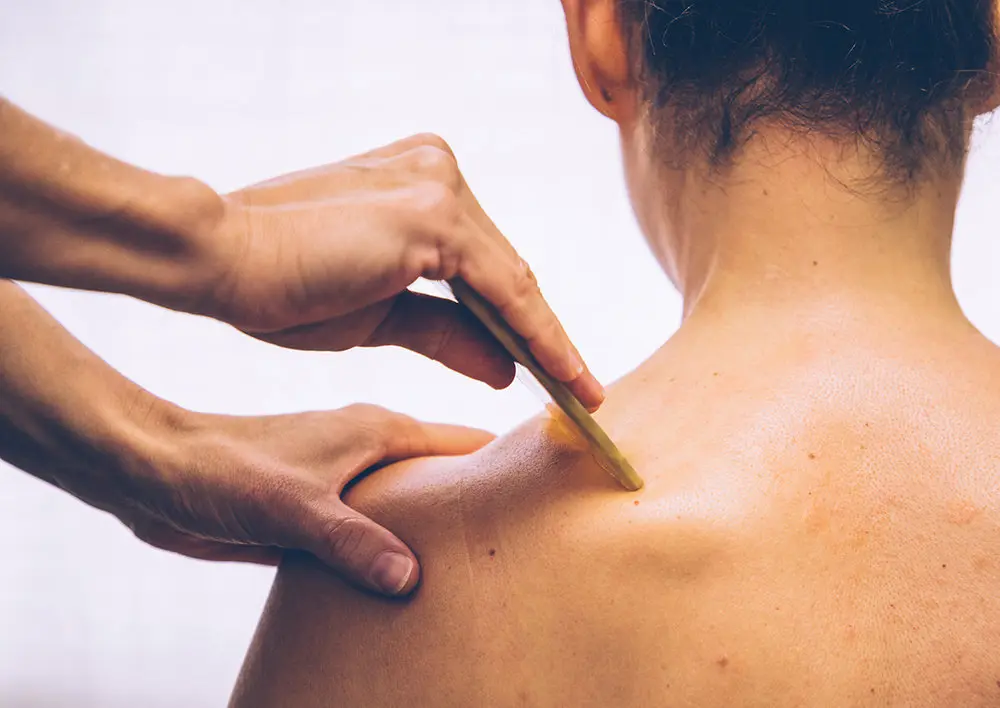
What do dermatologists think about gua sha? I’m not a professional dermatologist, so we can’t speak for dermatologists. From the information we get from the Internet and various channels, the common view on Gua Sha is that it has certain curative effects on our health and beauty. However, using gua sha can indeed cause damage to our skin. In order to explore this issue, we specially sought out a professional dermatologist, Ms. Deng (who has more than 12 years of clinical treatment experience and has a deep understanding of scraping) as a special guest to answer this question for us. We will ask Dr. Deng questions on several hot topics: The first two questions are one of the most popular topics about gua sha, while the third topic is a derivative of the first two topics. Next, let us see how Dr. Deng will answer these three questions. 1. Will Gua Sha Cause Damage to Our Skin? When we asked Dr. Deng this question, she did not answer directly. Instead, she asked us to experience the complete process of gua sha first. This gua sha process is entirely performed by Dr. Deng. Dr. Deng first took out a guasha tool made of stone. “Gua sha tools made of stone or metal are in principle safer and easier to use than buffalo horns and other materials.” Dr. Deng explained this, and then continued to ask: “What’s wrong with your body now?” Is it a comfortable place? Are there any areas that feel sore?” Due to long hours of work, I did feel very uncomfortable in my shoulders and arms, so I reported this situation to Dr. Deng. After understanding the situation, Dr. Deng asked me to take off my shirt and apply some essential oil on my shoulders and arms. According to Dr. Deng, it acts as a lubricant. After the application, Dr. Deng did not start scraping immediately, but pressed and kneaded my shoulders and arms with his fingers. Then Gua Sha was performed, and this was explained during the Gua Sha process: Long-term work will cause the muscles and fascia in a certain area to be in a state of long-term tightness. Over time, lactic acid deposits will occur in these areas, and fascial adhesions will occur. The specific manifestation is that the muscles in a certain area are much harder than the surrounding areas. Normal muscles are soft and elastic in a relaxed state. The purpose of pressing with my fingers is to identify the areas of fascial adhesion, and then perform scraping on these areas. The whole process lasted about 20 minutes. I could clearly see dark red patches appearing in the scraped area, accompanied by numbness and pain. After the operation, Dr. Deng answered this question: Gua sha does cause damage to our skin. The dark red patches you see and the numbness and pain you feel all illustrate this point. This is why I will answer after you experience it. . However, this kind of injury is very slight and will not cause major damage to the human body. It usually returns to normal in about a week. Therefore, we recommend that no one use gua sha frequently, at least wait until all adverse reactions dissipate before trying again. 2. Is Guasha Effective? Dr. Deng smiled and asked me how I felt after the experience. In addition to skin redness and slight pain, the previous muscle soreness was significantly relieved. Judging from the results, an obvious conclusion has been given. We have summarized all of Dr. Deng’s answers to this question, roughly as follows: 3. How to Use Gua Sha to Minimize the Damage to Our Skin? How to use Gua Sha correctly to minimize its damage to our skin? Dr. Deng summarized the following points: Make sure you follow the above 5 points when gua sha. Although there is no guarantee that gua sha will not harm your skin, it can minimize these injuries. So, what do dermatologists think about gua sha? Stay rational and stay respectable. We must not only understand the benefits that a thing can bring to us (not just gua sha), so as to maximize the benefits. It is also important to understand its potential risks so as to minimize them.

What do Dermatologists Think of Gua Sha? Read More »

What do dermatologists think about gua sha? I’m not a professional dermatologist, so we can’t speak for dermatologists. From the information we get from the Internet and various channels, the common view on Gua Sha is that it has certain curative effects on our health and beauty. However, using gua sha can indeed cause damage to our skin. In order to explore this issue, we specially sought out a professional dermatologist, Ms. Deng (who has more than 12 years of clinical treatment experience and has a deep understanding of scraping) as a special guest to answer this question for us. We will ask Dr. Deng questions on several hot topics: The first two questions are one of the most popular topics about gua sha, while the third topic is a derivative of the first two topics. Next, let us see how Dr. Deng will answer these three questions. 1. Will Gua Sha Cause Damage to Our Skin? When we asked Dr. Deng this question, she did not answer directly. Instead, she asked us to experience the complete process of gua sha first. This gua sha process is entirely performed by Dr. Deng. Dr. Deng first took out a guasha tool made of stone. “Gua sha tools made of stone or metal are in principle safer and easier to use than buffalo horns and other materials.” Dr. Deng explained this, and then continued to ask: “What’s wrong with your body now?” Is it a comfortable place? Are there any areas that feel sore?” Due to long hours of work, I did feel very uncomfortable in my shoulders and arms, so I reported this situation to Dr. Deng. After understanding the situation, Dr. Deng asked me to take off my shirt and apply some essential oil on my shoulders and arms. According to Dr. Deng, it acts as a lubricant. After the application, Dr. Deng did not start scraping immediately, but pressed and kneaded my shoulders and arms with his fingers. Then Gua Sha was performed, and this was explained during the Gua Sha process: Long-term work will cause the muscles and fascia in a certain area to be in a state of long-term tightness. Over time, lactic acid deposits will occur in these areas, and fascial adhesions will occur. The specific manifestation is that the muscles in a certain area are much harder than the surrounding areas. Normal muscles are soft and elastic in a relaxed state. The purpose of pressing with my fingers is to identify the areas of fascial adhesion, and then perform scraping on these areas. The whole process lasted about 20 minutes. I could clearly see dark red patches appearing in the scraped area, accompanied by numbness and pain. After the operation, Dr. Deng answered this question: Gua sha does cause damage to our skin. The dark red patches you see and the numbness and pain you feel all illustrate this point. This is why I will answer after you experience it. . However, this kind of injury is very slight and will not cause major damage to the human body. It usually returns to normal in about a week. Therefore, we recommend that no one use gua sha frequently, at least wait until all adverse reactions dissipate before trying again. 2. Is Guasha Effective? Dr. Deng smiled and asked me how I felt after the experience. In addition to skin redness and slight pain, the previous muscle soreness was significantly relieved. Judging from the results, an obvious conclusion has been given. We have summarized all of Dr. Deng’s answers to this question, roughly as follows: 3. How to Use Gua Sha to Minimize the Damage to Our Skin? How to use Gua Sha correctly to minimize its damage to our skin? Dr. Deng summarized the following points: Make sure you follow the above 5 points when gua sha. Although there is no guarantee that gua sha will not harm your skin, it can minimize these injuries. So, what do dermatologists think about gua sha? Stay rational and stay respectable. We must not only understand the benefits that a thing can bring to us (not just gua sha), so as to maximize the benefits. It is also important to understand its potential risks so as to minimize them.

gua sha massage

Gua Sha Is Medical Massage or Regular Massage, Any Different?

When discussing Gua Sha massage, have you ever wondered: Is it a general, relaxing massage or a specialized massage with therapeutic properties? While both emphasize stimulating muscles and skin to achieve relaxation, stress reduction, and even aid recovery, they differ significantly in their specific goals, methods, and appropriate contexts. The following content will help you clarify the distinction between “general massage” and “medical massage,” and better understand the role of Gua Sha within both. The Difference Between Medical Massage and Regular Massage: 1. Purpose: Common scraping massageis primarily used to relax the body and mind, relieve muscle tension, and stimulate blood circulation. It’s often a form of self-care, such as a simple face or neck scraping to relieve discomfort after a workout or when stressed at work. Medical scraping massageplaces a greater emphasis on targeted treatment and efficacy. It’s often performed by a professional as part of a medical program to address a specific health issue, such as chronic pain, sports injuries, or joint dysfunction. 2. Prescription and Diagnosis: General massage: No doctor’s consultation is required. If you experience shoulder and neck pain, stress, or facial swelling, you can practice simple scraping at home or at a spa. The techniques are easy to learn and master. Medical massage: In most cases, a professional physician’s evaluation and recommendation is required, especially for patients with pre-existing medical conditions. This type of scraping must be performed by a technician with a medical background, using scientific techniques tailored to the affected area. 3. Tips: Regular Gua Sha Massage: emphasizes comfort and a personalized experience. It can be combined with other massage types, such as essential oil massage, Swedish massage, or deep tissue massage, to create a holistic relaxation effect. Medical massage: More precise techniques often include soft tissue release, fascial release, or specific joint range of motion adjustments for recovery and functional improvement. 4. Key areas: General massage focuses on overall relaxation, often targeting areas of high stress, such as the back, neck, and face. Therapeutic massage focuses on specific problem areas, such as post-operative recovery, tendinitis treatment, and limited range of motion. 5. Integration with Healthcare: Conventional gua sha massage: This is part of daily health care and is rarely included in medical treatment. Medical massage: Often used as part of rehabilitation, physical therapy, or integrated Chinese and Western medicine treatments, it may be included in treatment plans during physical therapy, sports medicine, or in a Traditional Chinese Medicine clinic. Which Massage is Better? Which type of massage is better depends on individual needs and goals. Here are some considerations: If you simply want to relieve fatigue, facial swelling, or neck stiffness, a standard facial or body gua sha massage is sufficient. It’s easy to do at home and requires no complicated techniques. If you’re experiencing a sports injury, chronic muscle pain, or functional impairment, consult a doctor or physical therapist and opt for a medical gua sha massage under professional guidance. This will be more effective and safer. Everyone’s experience with massage is different. Some prefer the aching sensation of a deep tissue massage, while others prefer the gentle, soothing feel of a Swedish massage. Communicating your preferences and allowing your masseur to adjust is a responsible choice. Is Gua Sha A Medical Massage, A Regular Massage, or Both? Gua Sha, originating in traditional Chinese medicine, has been used for thousands of years to dredge meridians, promote blood circulation, remove blood stasis, and dispel wind and cold. It serves both as a health-preserving method and, in specific situations, can also have therapeutic benefits. Gua Sha’s unique characteristics: It does not rely on high-tech equipment. Instead, it uses simple instruments (such as jade or ox-horn plates) and manual manipulation to directly stimulate responses within the body. Red marks or even petechiae (commonly known as “sha”) may appear during the process, which in Traditional Chinese Medicine is considered a sign of “expelling evil spirits.” Whether to choose Gua Sha as a treatment method, consider the following: Gua Sha isn’t just a single type of massage; it lies somewhere between general care and treatment, exhibiting diverse properties depending on the intended use, method, and practitioner qualifications. Whether you’re looking to relax your body, tone your skin, or alleviate chronic pain, the most important thing is to understand your needs and use the technique under professional guidance. If you’re unsure about which method to choose, it’s best to consult with a doctor or professional masseur to develop a personalized massage plan that best suits your needs.

Gua Sha Is Medical Massage or Regular Massage, Any Different? Read More »

When discussing Gua Sha massage, have you ever wondered: Is it a general, relaxing massage or a specialized massage with therapeutic properties? While both emphasize stimulating muscles and skin to achieve relaxation, stress reduction, and even aid recovery, they differ significantly in their specific goals, methods, and appropriate contexts. The following content will help you clarify the distinction between “general massage” and “medical massage,” and better understand the role of Gua Sha within both. The Difference Between Medical Massage and Regular Massage: 1. Purpose: Common scraping massageis primarily used to relax the body and mind, relieve muscle tension, and stimulate blood circulation. It’s often a form of self-care, such as a simple face or neck scraping to relieve discomfort after a workout or when stressed at work. Medical scraping massageplaces a greater emphasis on targeted treatment and efficacy. It’s often performed by a professional as part of a medical program to address a specific health issue, such as chronic pain, sports injuries, or joint dysfunction. 2. Prescription and Diagnosis: General massage: No doctor’s consultation is required. If you experience shoulder and neck pain, stress, or facial swelling, you can practice simple scraping at home or at a spa. The techniques are easy to learn and master. Medical massage: In most cases, a professional physician’s evaluation and recommendation is required, especially for patients with pre-existing medical conditions. This type of scraping must be performed by a technician with a medical background, using scientific techniques tailored to the affected area. 3. Tips: Regular Gua Sha Massage: emphasizes comfort and a personalized experience. It can be combined with other massage types, such as essential oil massage, Swedish massage, or deep tissue massage, to create a holistic relaxation effect. Medical massage: More precise techniques often include soft tissue release, fascial release, or specific joint range of motion adjustments for recovery and functional improvement. 4. Key areas: General massage focuses on overall relaxation, often targeting areas of high stress, such as the back, neck, and face. Therapeutic massage focuses on specific problem areas, such as post-operative recovery, tendinitis treatment, and limited range of motion. 5. Integration with Healthcare: Conventional gua sha massage: This is part of daily health care and is rarely included in medical treatment. Medical massage: Often used as part of rehabilitation, physical therapy, or integrated Chinese and Western medicine treatments, it may be included in treatment plans during physical therapy, sports medicine, or in a Traditional Chinese Medicine clinic. Which Massage is Better? Which type of massage is better depends on individual needs and goals. Here are some considerations: If you simply want to relieve fatigue, facial swelling, or neck stiffness, a standard facial or body gua sha massage is sufficient. It’s easy to do at home and requires no complicated techniques. If you’re experiencing a sports injury, chronic muscle pain, or functional impairment, consult a doctor or physical therapist and opt for a medical gua sha massage under professional guidance. This will be more effective and safer. Everyone’s experience with massage is different. Some prefer the aching sensation of a deep tissue massage, while others prefer the gentle, soothing feel of a Swedish massage. Communicating your preferences and allowing your masseur to adjust is a responsible choice. Is Gua Sha A Medical Massage, A Regular Massage, or Both? Gua Sha, originating in traditional Chinese medicine, has been used for thousands of years to dredge meridians, promote blood circulation, remove blood stasis, and dispel wind and cold. It serves both as a health-preserving method and, in specific situations, can also have therapeutic benefits. Gua Sha’s unique characteristics: It does not rely on high-tech equipment. Instead, it uses simple instruments (such as jade or ox-horn plates) and manual manipulation to directly stimulate responses within the body. Red marks or even petechiae (commonly known as “sha”) may appear during the process, which in Traditional Chinese Medicine is considered a sign of “expelling evil spirits.” Whether to choose Gua Sha as a treatment method, consider the following: Gua Sha isn’t just a single type of massage; it lies somewhere between general care and treatment, exhibiting diverse properties depending on the intended use, method, and practitioner qualifications. Whether you’re looking to relax your body, tone your skin, or alleviate chronic pain, the most important thing is to understand your needs and use the technique under professional guidance. If you’re unsure about which method to choose, it’s best to consult with a doctor or professional masseur to develop a personalized massage plan that best suits your needs.

gua sha myth buster

True or False? Gua Sha Myth Buster!

Over the past three years, global search interest in gua sha has grown by more than 300%, and TikTok videos tagged #guasha have surpassed 4 billion combined views as of 2024. Behind that growth lies a consistent and measurable gap: the expectations those videos generate versus what the practice can actually deliver. The most consequential gua sha myth is not any single false claim — it is a systemic pattern of presenting short-term, technique-dependent effects as permanent, structural results. Research indexed by the National Institutes of Health on PubMed includes over 40 published studies on gua sha, the majority concentrated on musculoskeletal pain applications — not facial cosmetic outcomes. Does gua sha work? Yes — within limits that popular content almost never states clearly, and that this article will define precisely. Why the Gua Sha Myth Spreads: Viral Content vs. Clinical Evidence Three structural forces drove gua sha to its current cultural position, and those same forces are responsible for most of the misinformation now embedded in public perception. The practice produces changes that are immediately visible on camera: a face that appears less puffy or more contoured after several minutes of directed scraping is genuinely compelling content, and compelling content spreads irrespective of its physiological accuracy. Simultaneously, a documented consumer shift toward affordable at-home wellness created a ready audience for any low-cost skincare tool with aspirational associations. Add the ritual quality of the practice — the cool stone, the deliberate upward strokes — and you have a format that generates shares, not scrutiny. A 2021 review published in Complementary Therapies in Clinical Practice confirmed that while gua sha demonstrates measurable value for musculoskeletal pain and localized inflammation, evidence for facial cosmetic claims remains limited and methodologically inconsistent. This does not make is gua sha fake a fair verdict — but it does confirm that the standard of proof required for permanent anti-aging claims has not been met. Gua Sha Myth vs. Reality: What the Evidence Actually Supports Separating demonstrable gua sha benefits from inflated marketing language requires examining mechanism, not anecdote. The directional scraping motion applies mild pressure to superficial lymphatic vessels, encouraging temporary drainage of interstitial fluid — which is why effects are most visible in the morning, when overnight fluid retention peaks. A research overview published in the Journal of Traditional Chinese Medical Sciences found that the mechanical pressure involved in gua sha produces a relaxation response in superficial muscles functionally comparable to targeted massage. Repetitive directional motion can also temporarily improve microcirculation near the skin surface, contributing to a short-term brightening effect observable within minutes. This means you can realistically expect reduced morning puffiness, a measurable softening of jaw tension, and a skincare routine that feels more restorative — when technique is applied correctly. None of these outcomes are permanent. None restructure bone or dissolve fat. But they are reproducible and real — which is precisely why the gua sha scam label, applied broadly by skeptics, is equally inaccurate. Does gua sha work? The answer is: selectively, temporarily, and entirely dependent on whether your expectations match what the mechanism can actually produce. Understanding that distinction is the most actionable takeaway you can carry out of this article. Gua Sha Myth Analysis: Four Claims That Deserve a Closer Look Gua Sha Myth #1 — “It Can Permanently Slim Your Face” No peer-reviewed study has demonstrated that regular gua sha use produces lasting changes in facial fat distribution, bone geometry, or muscle volume. What users interpret as “permanent slimming” is almost always a combination of temporary factors that are real but short-lived: improved lymphatic drainage that reduces puffiness for a few hours, relaxation of the masseter muscle that briefly softens jaw tension, and the reduction of morning edema that makes the face appear noticeably more defined in the first hour after waking. These effects can appear dramatic — especially under good lighting — but they reverse within the same day as fluid reaccumulates and muscle tone normalizes. The American Academy of Dermatology is explicit that non-invasive surface treatments do not produce significant or lasting changes in subcutaneous fat distribution. The actual determinants of long-term facial shape are systemic: overall body composition, dietary patterns, sleep quality, hormonal fluctuations, and the structural changes in bone density and soft tissue that accompany aging. If you notice genuine facial changes over a period of months, those shifts almost certainly correlate with improvements in sleep, diet, or body composition — not with the gua sha sessions themselves. This gua sha myth is not a harmless exaggeration: it causes users to attribute results to the wrong variable, making it impossible to accurately assess what is actually working in their routine. This means you lose time chasing an effect that a tool cannot produce, while the genuine levers — lifestyle and consistency — go unaddressed. Gua Sha Myth #2 — “The Harder You Press, the Better the Results” This gua sha myth is not simply incorrect — it is the most direct path from a wellness ritual to documented skin damage. Facial tissue is considerably thinner and more vascular than the areas of the body, such as the upper back and thighs, where gua sha has traditional therapeutic roots. Applying excessive pressure to facial skin carries clinical risks that are well-documented: capillary rupture causing persistent broken blood vessels, reactive inflammation, visible bruising that can take weeks to fully resolve, and — with repeated misapplication — measurable degradation of the skin barrier function. The American Academy of Dermatology has established that a compromised skin barrier leads to accelerated transepidermal water loss, heightened sensitivity to environmental irritants, and a significantly extended recovery period from routine skincare stressors. This means every session where you exceed appropriate pressure is not accelerating your results — it is creating a recovery debt that compounds across weeks of repeated use. Correct technique uses light-to-medium pressure with the tool angled at approximately 15 to 45 degrees relative to the skin surface, always moving in a single outward or upward direction. Sufficient lubricating

True or False? Gua Sha Myth Buster! Read More »

Over the past three years, global search interest in gua sha has grown by more than 300%, and TikTok videos tagged #guasha have surpassed 4 billion combined views as of 2024. Behind that growth lies a consistent and measurable gap: the expectations those videos generate versus what the practice can actually deliver. The most consequential gua sha myth is not any single false claim — it is a systemic pattern of presenting short-term, technique-dependent effects as permanent, structural results. Research indexed by the National Institutes of Health on PubMed includes over 40 published studies on gua sha, the majority concentrated on musculoskeletal pain applications — not facial cosmetic outcomes. Does gua sha work? Yes — within limits that popular content almost never states clearly, and that this article will define precisely. Why the Gua Sha Myth Spreads: Viral Content vs. Clinical Evidence Three structural forces drove gua sha to its current cultural position, and those same forces are responsible for most of the misinformation now embedded in public perception. The practice produces changes that are immediately visible on camera: a face that appears less puffy or more contoured after several minutes of directed scraping is genuinely compelling content, and compelling content spreads irrespective of its physiological accuracy. Simultaneously, a documented consumer shift toward affordable at-home wellness created a ready audience for any low-cost skincare tool with aspirational associations. Add the ritual quality of the practice — the cool stone, the deliberate upward strokes — and you have a format that generates shares, not scrutiny. A 2021 review published in Complementary Therapies in Clinical Practice confirmed that while gua sha demonstrates measurable value for musculoskeletal pain and localized inflammation, evidence for facial cosmetic claims remains limited and methodologically inconsistent. This does not make is gua sha fake a fair verdict — but it does confirm that the standard of proof required for permanent anti-aging claims has not been met. Gua Sha Myth vs. Reality: What the Evidence Actually Supports Separating demonstrable gua sha benefits from inflated marketing language requires examining mechanism, not anecdote. The directional scraping motion applies mild pressure to superficial lymphatic vessels, encouraging temporary drainage of interstitial fluid — which is why effects are most visible in the morning, when overnight fluid retention peaks. A research overview published in the Journal of Traditional Chinese Medical Sciences found that the mechanical pressure involved in gua sha produces a relaxation response in superficial muscles functionally comparable to targeted massage. Repetitive directional motion can also temporarily improve microcirculation near the skin surface, contributing to a short-term brightening effect observable within minutes. This means you can realistically expect reduced morning puffiness, a measurable softening of jaw tension, and a skincare routine that feels more restorative — when technique is applied correctly. None of these outcomes are permanent. None restructure bone or dissolve fat. But they are reproducible and real — which is precisely why the gua sha scam label, applied broadly by skeptics, is equally inaccurate. Does gua sha work? The answer is: selectively, temporarily, and entirely dependent on whether your expectations match what the mechanism can actually produce. Understanding that distinction is the most actionable takeaway you can carry out of this article. Gua Sha Myth Analysis: Four Claims That Deserve a Closer Look Gua Sha Myth #1 — “It Can Permanently Slim Your Face” No peer-reviewed study has demonstrated that regular gua sha use produces lasting changes in facial fat distribution, bone geometry, or muscle volume. What users interpret as “permanent slimming” is almost always a combination of temporary factors that are real but short-lived: improved lymphatic drainage that reduces puffiness for a few hours, relaxation of the masseter muscle that briefly softens jaw tension, and the reduction of morning edema that makes the face appear noticeably more defined in the first hour after waking. These effects can appear dramatic — especially under good lighting — but they reverse within the same day as fluid reaccumulates and muscle tone normalizes. The American Academy of Dermatology is explicit that non-invasive surface treatments do not produce significant or lasting changes in subcutaneous fat distribution. The actual determinants of long-term facial shape are systemic: overall body composition, dietary patterns, sleep quality, hormonal fluctuations, and the structural changes in bone density and soft tissue that accompany aging. If you notice genuine facial changes over a period of months, those shifts almost certainly correlate with improvements in sleep, diet, or body composition — not with the gua sha sessions themselves. This gua sha myth is not a harmless exaggeration: it causes users to attribute results to the wrong variable, making it impossible to accurately assess what is actually working in their routine. This means you lose time chasing an effect that a tool cannot produce, while the genuine levers — lifestyle and consistency — go unaddressed. Gua Sha Myth #2 — “The Harder You Press, the Better the Results” This gua sha myth is not simply incorrect — it is the most direct path from a wellness ritual to documented skin damage. Facial tissue is considerably thinner and more vascular than the areas of the body, such as the upper back and thighs, where gua sha has traditional therapeutic roots. Applying excessive pressure to facial skin carries clinical risks that are well-documented: capillary rupture causing persistent broken blood vessels, reactive inflammation, visible bruising that can take weeks to fully resolve, and — with repeated misapplication — measurable degradation of the skin barrier function. The American Academy of Dermatology has established that a compromised skin barrier leads to accelerated transepidermal water loss, heightened sensitivity to environmental irritants, and a significantly extended recovery period from routine skincare stressors. This means every session where you exceed appropriate pressure is not accelerating your results — it is creating a recovery debt that compounds across weeks of repeated use. Correct technique uses light-to-medium pressure with the tool angled at approximately 15 to 45 degrees relative to the skin surface, always moving in a single outward or upward direction. Sufficient lubricating

gua sha healing

Gua sha: The Ancient Chinese Healing Technique

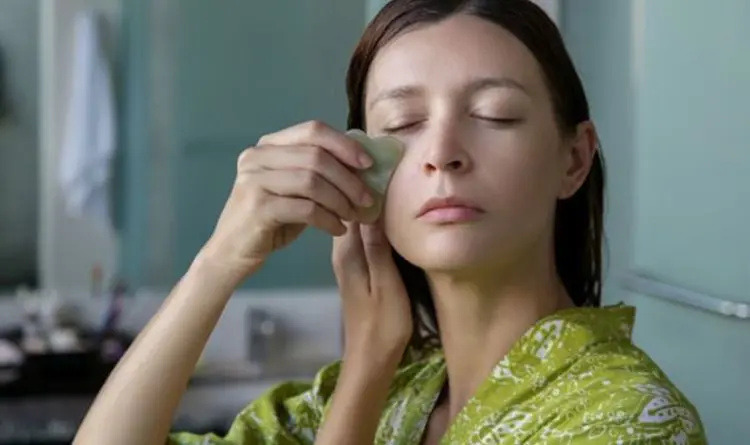
Gua sha is an ancient Chinese healing technique that involves scraping the skin with a smooth-edged tool to promote healing and relief from various health conditions. In recent years, Gua sha has gained popularity in the Western world as an alternative therapy for many ailments. In this article, we will explore the history, benefits, techniques, and more of this fascinating practice. 1. The Origin of Gua Sha Gua sha has been practiced in China for thousands of years. The technique involves using a smooth-edged tool to scrape the skin in a particular pattern. Traditionally, Gua sha was used to treat many conditions, including fever, cough, and digestive issues. It was also used as a preventive measure to boost the immune system and promote overall health. 2. Benefits of Gua sha There are many benefits to Gua sha, including: Gua sha can help alleviate muscle and joint pain, including chronic pain. The technique helps to release tension and relax muscles, which can help improve mobility and reduce pain. Gua sha can help improve blood circulation and lymphatic flow, which can help improve the body’s natural healing processes. Gua sha can help reduce inflammation, which is a common factor in many health conditions. The technique helps to increase blood flow to the affected area, which can help reduce swelling and inflammation. Gua sha can help boost the immune system by increasing circulation and promoting the body’s natural healing processes. This can help improve overall health and prevent illness. Gua sha can help improve skin health by increasing circulation and promoting lymphatic drainage. This can help reduce puffiness and dark circles, as well as promote a healthy, glowing complexion. 3. Gua Sha Tools Gua sha tools come in many different shapes and sizes. The most common tools are made of jade, rose quartz, or stainless steel. It’s important to choose a tool that feels comfortable in your hand and is easy to maneuver on your skin. 4. Techniques for Gua sha To perform Gua sha, apply oil to the skin and use the tool to scrape the skin in a particular pattern. The technique should be gentle, and the pressure should be adjusted based on the individual’s comfort level. Gua sha can be performed on many areas of the body, including the back, neck, arms, legs, and face. It’s important to follow best practices when performing Gua sha. Always start with a clean, dry face and avoid any areas with open wounds, rashes, or skin conditions. Use light pressure at first and gradually increase as tolerated. 5. How to Incorporate Gua Sha Into Your Routine Gua sha can be incorporated into your daily self-care routine. It’s best to perform Gua sha in the morning or at night when your skin is clean and free of makeup. Use a facial oil or serum to provide lubrication and prevent tugging or pulling on the skin. Gua sha can also be performed on other areas of the body as part of a massage or relaxation routine. 6. Common Misconceptions About Gua Sha There are several common misconceptions about Gua sha, including that it’s painful or can cause bruising. While some people may experience mild discomfort during the technique, it should not be painful. Gua sha can cause some temporary redness, which is a normal response and should fade within a few hours. 7. Precautions And Contraindications While Gua sha is generally safe for most people, there are some precautions and contraindications to be aware of. Gua sha should not be performed on areas with open wounds, rashes, or skin conditions. It should also be avoided during pregnancy or if you have a bleeding disorder. If you have any concerns or medical conditions, it’s important to consult with a healthcare provider before trying Gua sha. 8. Conclusion Gua sha is an ancient Chinese healing technique that has been used for thousands of years to promote healing and relieve various health conditions. The technique involves scraping the skin with a smooth-edged tool to promote circulation, reduce pain and inflammation, and boost the immune system. With its many benefits and easy incorporation into daily self-care routines, Gua sha is a valuable practice for anyone looking to improve their overall health and well-being. 9. Gua Sha FAQs

Gua sha: The Ancient Chinese Healing Technique Read More »

Gua sha is an ancient Chinese healing technique that involves scraping the skin with a smooth-edged tool to promote healing and relief from various health conditions. In recent years, Gua sha has gained popularity in the Western world as an alternative therapy for many ailments. In this article, we will explore the history, benefits, techniques, and more of this fascinating practice. 1. The Origin of Gua Sha Gua sha has been practiced in China for thousands of years. The technique involves using a smooth-edged tool to scrape the skin in a particular pattern. Traditionally, Gua sha was used to treat many conditions, including fever, cough, and digestive issues. It was also used as a preventive measure to boost the immune system and promote overall health. 2. Benefits of Gua sha There are many benefits to Gua sha, including: Gua sha can help alleviate muscle and joint pain, including chronic pain. The technique helps to release tension and relax muscles, which can help improve mobility and reduce pain. Gua sha can help improve blood circulation and lymphatic flow, which can help improve the body’s natural healing processes. Gua sha can help reduce inflammation, which is a common factor in many health conditions. The technique helps to increase blood flow to the affected area, which can help reduce swelling and inflammation. Gua sha can help boost the immune system by increasing circulation and promoting the body’s natural healing processes. This can help improve overall health and prevent illness. Gua sha can help improve skin health by increasing circulation and promoting lymphatic drainage. This can help reduce puffiness and dark circles, as well as promote a healthy, glowing complexion. 3. Gua Sha Tools Gua sha tools come in many different shapes and sizes. The most common tools are made of jade, rose quartz, or stainless steel. It’s important to choose a tool that feels comfortable in your hand and is easy to maneuver on your skin. 4. Techniques for Gua sha To perform Gua sha, apply oil to the skin and use the tool to scrape the skin in a particular pattern. The technique should be gentle, and the pressure should be adjusted based on the individual’s comfort level. Gua sha can be performed on many areas of the body, including the back, neck, arms, legs, and face. It’s important to follow best practices when performing Gua sha. Always start with a clean, dry face and avoid any areas with open wounds, rashes, or skin conditions. Use light pressure at first and gradually increase as tolerated. 5. How to Incorporate Gua Sha Into Your Routine Gua sha can be incorporated into your daily self-care routine. It’s best to perform Gua sha in the morning or at night when your skin is clean and free of makeup. Use a facial oil or serum to provide lubrication and prevent tugging or pulling on the skin. Gua sha can also be performed on other areas of the body as part of a massage or relaxation routine. 6. Common Misconceptions About Gua Sha There are several common misconceptions about Gua sha, including that it’s painful or can cause bruising. While some people may experience mild discomfort during the technique, it should not be painful. Gua sha can cause some temporary redness, which is a normal response and should fade within a few hours. 7. Precautions And Contraindications While Gua sha is generally safe for most people, there are some precautions and contraindications to be aware of. Gua sha should not be performed on areas with open wounds, rashes, or skin conditions. It should also be avoided during pregnancy or if you have a bleeding disorder. If you have any concerns or medical conditions, it’s important to consult with a healthcare provider before trying Gua sha. 8. Conclusion Gua sha is an ancient Chinese healing technique that has been used for thousands of years to promote healing and relieve various health conditions. The technique involves scraping the skin with a smooth-edged tool to promote circulation, reduce pain and inflammation, and boost the immune system. With its many benefits and easy incorporation into daily self-care routines, Gua sha is a valuable practice for anyone looking to improve their overall health and well-being. 9. Gua Sha FAQs

gua sha treat

Everything You Need to Know About Gua Sha – Gua Sha Ultimate Guide

I. Introduction Gua Sha is a traditional Chinese healing technique that involves gua sha the skin with a smooth-edged tool to stimulate blood flow and promote healing. In recent years, it has gained popularity in the West as a complementary therapy for a variety of conditions, including chronic pain, inflammation, and skin issues. In this article, we will discuss the basics of Gua Sha, its history and development, its functions, and the different types of Gua Sha tools available. II. What is Gua Sha? Gua Sha, also known as “scraping,” is a therapeutic technique that involves using a smooth-edged tool to scrape the skin’s surface, usually on the back, neck, shoulders, or limbs. The technique is based on the principles of Traditional Chinese Medicine (TCM), which holds that imbalances in the body’s energy, or Qi, can lead to illness and pain. During a Gua Sha session, the practitioner applies pressure to the skin using the tool, which creates small bruises or petechiae on the surface of the skin. These bruises are thought to stimulate the body’s natural healing response, promoting blood flow and the release of toxins. Gua Sha can be performed using a variety of tools, including jade, rose quartz, metal, and bone. Each tool has a unique shape and texture, and the choice of tool may depend on the specific needs of the patient. III. The Origin and Development of Gua Sha The practice of Gua Sha has been used in Traditional Chinese Medicine for centuries, and its origins can be traced back to the Han Dynasty (206 BCE–220 CE). Over time, the technique has evolved and been refined, with notable practitioners and figures contributing to its development. One such figure is Bian Que, a legendary TCM physician from the Warring States period (476-221 BCE) who is credited with the invention of Gua Sha. Bian Que is said to have used a smooth-edged tool to scrape the skin to diagnose and treat illnesses. In the centuries that followed, Gua Sha became a popular therapy for a variety of conditions, including fever, cough, and digestive issues. In recent years, it has gained popularity in the West as a complementary therapy for chronic pain, inflammation, and skin issues. IV. What is the Function of Gua Sha? Gua Sha has several functions, including its therapeutic and cosmetic benefits. From a therapeutic perspective, Gua Sha is thought to promote blood flow, release toxins, and reduce inflammation, making it an effective treatment for conditions such as chronic pain, arthritis, and fibromyalgia. In addition to its therapeutic benefits, Gua Sha is also used in the cosmetic industry to improve skin tone and reduce the appearance of wrinkles and fine lines. Gua Sha is thought to promote lymphatic drainage, which can help reduce puffiness and dark circles under the eyes, among other benefits. While the scientific evidence supporting the effectiveness of Gua Sha is limited, some studies have shown promising results. For example, a 2014 study published in the Journal of Traditional and Complementary Medicine found that Gua Sha was effective in reducing neck pain and improving quality of life in patients with chronic neck pain. V. Introduction of Materials And Advantages And Disadvantages of Gua Sha Tools Gua Sha tools are made of various materials, including jade, rose quartz, metal, and buffalo horn. Each material has its own advantages and disadvantages, which can affect the Gua Sha experience. VI. Different Types of Gua Sha Source of Material There are several types of Gua Sha tools available, each made from a different source of material. Ⅶ. How to Make High Quality Gua Sha Tools? 1. Select High-Quality Raw Materials: The first step in making a high-quality Gua Sha tool is selecting the right raw material. Gua Sha tools are made from a variety of materials, including jade, rose quartz, and metal. Regardless of the material, it is essential to choose a high-quality source that is free of cracks, inclusions, and other imperfections. 2. Professional Tools And Superb Processing Technology: The tools and equipment used to make a Gua Sha tool must be of professional quality. The tools used for shaping and carving should be made of high-quality materials and designed specifically for lapidary work. The processing technology must also be superb to ensure that each Gua Sha tool is perfectly shaped and finished. 3. Strict Quality Inspection Process: Once the Gua Sha tool is shaped and finished, it is crucial to conduct a strict quality inspection process to ensure that it meets the highest standards of quality. This includes inspecting the tool for any cracks or imperfections, checking the edges to ensure they are smooth and even, and verifying that the tool is the correct size and shape. In conclusion, making a high-quality Gua Sha tool requires selecting high-quality raw materials, using professional tools and superb processing technology, and conducting a strict quality inspection process. By following these steps, artisans can create Gua Sha tools that are not only beautiful but also effective and safe to use. It is important to note that making a high-quality Gua Sha tool requires years of experience and specialized tools, and it is recommended that individuals interested in making their own Gua Sha tools should seek out professional training and guidance to ensure that they are producing high-quality tools that are safe and effective for their intended use. It is also important to note that making a high-quality Gua Sha tool is only the first step in using it effectively. To achieve the best results, it is important to use proper technique and to understand the function of the tool. Gua Sha is a therapeutic practice that requires proper training and knowledge to use safely and effectively. In summary, making a high-quality Gua Sha tool requires careful attention to detail and a deep understanding of the materials and techniques involved. By following the steps outlined above and seeking out professional guidance and training, individuals can create Gua Sha tools that are not only beautiful but also effective and safe to use

Everything You Need to Know About Gua Sha – Gua Sha Ultimate Guide Read More »

I. Introduction Gua Sha is a traditional Chinese healing technique that involves gua sha the skin with a smooth-edged tool to stimulate blood flow and promote healing. In recent years, it has gained popularity in the West as a complementary therapy for a variety of conditions, including chronic pain, inflammation, and skin issues. In this article, we will discuss the basics of Gua Sha, its history and development, its functions, and the different types of Gua Sha tools available. II. What is Gua Sha? Gua Sha, also known as “scraping,” is a therapeutic technique that involves using a smooth-edged tool to scrape the skin’s surface, usually on the back, neck, shoulders, or limbs. The technique is based on the principles of Traditional Chinese Medicine (TCM), which holds that imbalances in the body’s energy, or Qi, can lead to illness and pain. During a Gua Sha session, the practitioner applies pressure to the skin using the tool, which creates small bruises or petechiae on the surface of the skin. These bruises are thought to stimulate the body’s natural healing response, promoting blood flow and the release of toxins. Gua Sha can be performed using a variety of tools, including jade, rose quartz, metal, and bone. Each tool has a unique shape and texture, and the choice of tool may depend on the specific needs of the patient. III. The Origin and Development of Gua Sha The practice of Gua Sha has been used in Traditional Chinese Medicine for centuries, and its origins can be traced back to the Han Dynasty (206 BCE–220 CE). Over time, the technique has evolved and been refined, with notable practitioners and figures contributing to its development. One such figure is Bian Que, a legendary TCM physician from the Warring States period (476-221 BCE) who is credited with the invention of Gua Sha. Bian Que is said to have used a smooth-edged tool to scrape the skin to diagnose and treat illnesses. In the centuries that followed, Gua Sha became a popular therapy for a variety of conditions, including fever, cough, and digestive issues. In recent years, it has gained popularity in the West as a complementary therapy for chronic pain, inflammation, and skin issues. IV. What is the Function of Gua Sha? Gua Sha has several functions, including its therapeutic and cosmetic benefits. From a therapeutic perspective, Gua Sha is thought to promote blood flow, release toxins, and reduce inflammation, making it an effective treatment for conditions such as chronic pain, arthritis, and fibromyalgia. In addition to its therapeutic benefits, Gua Sha is also used in the cosmetic industry to improve skin tone and reduce the appearance of wrinkles and fine lines. Gua Sha is thought to promote lymphatic drainage, which can help reduce puffiness and dark circles under the eyes, among other benefits. While the scientific evidence supporting the effectiveness of Gua Sha is limited, some studies have shown promising results. For example, a 2014 study published in the Journal of Traditional and Complementary Medicine found that Gua Sha was effective in reducing neck pain and improving quality of life in patients with chronic neck pain. V. Introduction of Materials And Advantages And Disadvantages of Gua Sha Tools Gua Sha tools are made of various materials, including jade, rose quartz, metal, and buffalo horn. Each material has its own advantages and disadvantages, which can affect the Gua Sha experience. VI. Different Types of Gua Sha Source of Material There are several types of Gua Sha tools available, each made from a different source of material. Ⅶ. How to Make High Quality Gua Sha Tools? 1. Select High-Quality Raw Materials: The first step in making a high-quality Gua Sha tool is selecting the right raw material. Gua Sha tools are made from a variety of materials, including jade, rose quartz, and metal. Regardless of the material, it is essential to choose a high-quality source that is free of cracks, inclusions, and other imperfections. 2. Professional Tools And Superb Processing Technology: The tools and equipment used to make a Gua Sha tool must be of professional quality. The tools used for shaping and carving should be made of high-quality materials and designed specifically for lapidary work. The processing technology must also be superb to ensure that each Gua Sha tool is perfectly shaped and finished. 3. Strict Quality Inspection Process: Once the Gua Sha tool is shaped and finished, it is crucial to conduct a strict quality inspection process to ensure that it meets the highest standards of quality. This includes inspecting the tool for any cracks or imperfections, checking the edges to ensure they are smooth and even, and verifying that the tool is the correct size and shape. In conclusion, making a high-quality Gua Sha tool requires selecting high-quality raw materials, using professional tools and superb processing technology, and conducting a strict quality inspection process. By following these steps, artisans can create Gua Sha tools that are not only beautiful but also effective and safe to use. It is important to note that making a high-quality Gua Sha tool requires years of experience and specialized tools, and it is recommended that individuals interested in making their own Gua Sha tools should seek out professional training and guidance to ensure that they are producing high-quality tools that are safe and effective for their intended use. It is also important to note that making a high-quality Gua Sha tool is only the first step in using it effectively. To achieve the best results, it is important to use proper technique and to understand the function of the tool. Gua Sha is a therapeutic practice that requires proper training and knowledge to use safely and effectively. In summary, making a high-quality Gua Sha tool requires careful attention to detail and a deep understanding of the materials and techniques involved. By following the steps outlined above and seeking out professional guidance and training, individuals can create Gua Sha tools that are not only beautiful but also effective and safe to use

Is Rose Quartz or Jade Better for Gua Sha?

Rose Quartz vs Jade Jade Gua Sha and Rose Quartz Gua Sha are both hand or machine carved directly from non-porous stone. This means that neither will absorb the creams or oils used with them, so they can stay hygienic with proper care. But it is still recommended that you wash and sanitize them before and after each use. Rose quartz is slightly harder than jade and is more difficult to carve because it breaks more easily. This additional difficulty of engraving is the main reason that genuine rose quartz gua sha are usually a bit more expensive than jadeite gua sha (another reason is the price of the raw material). Due to its different crystal structure, rose quartz gua sha appears smoother than stone gua sha. When carved properly, they can produce an almost mirror-like smooth surface. Note that many emerald and rose quartz producers now chemically treat the crystal before engraving to make it softer and easier to engrave. This makes them easier and cheaper to produce. But we definitely do not recommend using this specially treated gua sha tool in your facial routine. Also look out for jade with a rough surface and less gloss. The possibility has increased that this is actually “fake jade”, a more serpentine stone that is usually imported from the Afghan region via India. Aside from being mistaken for jade, fake jade also has the problem of the color fading over time. Speaking of fading, rose quartz also fades after prolonged exposure to sunlight and heat. Therefore, it is necessary to avoid the rose quartz gua sha plate from being exposed to the sun and high temperature for a long time during storage. Traditional Beliefs About Emerald and the Spiritual Qualities of Rose Quartz There is evidence that gua sha treatments such as gua sha also existed in other traditional cultures such as Egypt and Greece, but it was in China that the knowledge and use of gua sha really peaked. Rose Quartz was not originally used for Gua Sha in China because it was uncommon. Gua sha is made from various objects such as bones, horns, etc. and is used to heal the body, while jade gua sha is reserved only for the really rich and powerful. Jade was expensive (often more valuable than gold) in ancient China, becoming a symbol of wealth and status, not just its physical value. Brooches symbolizing status were often made from it, and having luxury items such as jade gua sha symbolized success. Jade is also believed to have the ability to enhance the flow of chi or energy in the area it treats. Wrinkles and blemishes are often seen as blocking this natural energy flow. By restoring the natural energy flow of your face or other skin, you will not only reduce wrinkles and increase skin radiance, but you will also improve your physical health by ensuring a harmonious energy flow. Rose Quartz crystal is traditionally associated with love. Many modern spiritual practitioners believe that exposure to rose quartz crystals will open hearts and increase love in relationships. This belief can be traced back to ancient legends. Several ancient Greek stories tell of rose quartz’s connection to love. We are told that rose quartz was given to humans by Cupid, the god of love, to inspire love among us. Another theory is that the white quartz was actually stained pink by the blood of Aphrodite, who was stabbed in the body by a bush while rushing towards her lover Adonis. How to Use Jade Gua Sha and Rose Quartz Gua Sha As discussed, the use of gua sha for beauty treatments in China has a long and ancient history. Throughout this history, detailed treatment programs have been developed to address the energy flow of the face, improving appearance and enhancing natural radiance. These ancient traditions do not exist in rose quartz as it is a rather modern adaptation. Fortunately, the therapeutic procedure of jade gua sha can be easily applied to rose quartz gua sha, thus providing it with a ready-made treatment option. Conclusion – Which Works Better for Gua Sha? There is no clear winner between these two products. Both will visibly improve the appearance of skin, reduce puffiness and swelling, and effectively smooth wrinkles. Jade Gua Sha is a more traditional form of Gua Sha with a long history, while Rose Quartz Gua Sha may appeal more to those interested in the crystal’s spiritual properties (or those who just like pink) Ultimately it comes down to personal preference. The important thing is to buy a product you like and then use it regularly, making this unusual beauty tool a lasting addition to any number of exotic beauty routines. Jade Roller Vs Rose Quartz Gua Sha Faqs 1. Which One Have Better Benefits? There is no significant difference in the effects of the two. The material used in scraping does not play a decisive role in the effect. The most critical factor in determining the effectiveness of gua sha is the technique used. 2. My jade gua sha acupuncture tool is broken. Can I replace it with rose quartz? Will it have any effect? Of course, you can substitute rose quartz gua sha for this. They both have the same effect.

Is Rose Quartz or Jade Better for Gua Sha? Read More »

Rose Quartz vs Jade Jade Gua Sha and Rose Quartz Gua Sha are both hand or machine carved directly from non-porous stone. This means that neither will absorb the creams or oils used with them, so they can stay hygienic with proper care. But it is still recommended that you wash and sanitize them before and after each use. Rose quartz is slightly harder than jade and is more difficult to carve because it breaks more easily. This additional difficulty of engraving is the main reason that genuine rose quartz gua sha are usually a bit more expensive than jadeite gua sha (another reason is the price of the raw material). Due to its different crystal structure, rose quartz gua sha appears smoother than stone gua sha. When carved properly, they can produce an almost mirror-like smooth surface. Note that many emerald and rose quartz producers now chemically treat the crystal before engraving to make it softer and easier to engrave. This makes them easier and cheaper to produce. But we definitely do not recommend using this specially treated gua sha tool in your facial routine. Also look out for jade with a rough surface and less gloss. The possibility has increased that this is actually “fake jade”, a more serpentine stone that is usually imported from the Afghan region via India. Aside from being mistaken for jade, fake jade also has the problem of the color fading over time. Speaking of fading, rose quartz also fades after prolonged exposure to sunlight and heat. Therefore, it is necessary to avoid the rose quartz gua sha plate from being exposed to the sun and high temperature for a long time during storage. Traditional Beliefs About Emerald and the Spiritual Qualities of Rose Quartz There is evidence that gua sha treatments such as gua sha also existed in other traditional cultures such as Egypt and Greece, but it was in China that the knowledge and use of gua sha really peaked. Rose Quartz was not originally used for Gua Sha in China because it was uncommon. Gua sha is made from various objects such as bones, horns, etc. and is used to heal the body, while jade gua sha is reserved only for the really rich and powerful. Jade was expensive (often more valuable than gold) in ancient China, becoming a symbol of wealth and status, not just its physical value. Brooches symbolizing status were often made from it, and having luxury items such as jade gua sha symbolized success. Jade is also believed to have the ability to enhance the flow of chi or energy in the area it treats. Wrinkles and blemishes are often seen as blocking this natural energy flow. By restoring the natural energy flow of your face or other skin, you will not only reduce wrinkles and increase skin radiance, but you will also improve your physical health by ensuring a harmonious energy flow. Rose Quartz crystal is traditionally associated with love. Many modern spiritual practitioners believe that exposure to rose quartz crystals will open hearts and increase love in relationships. This belief can be traced back to ancient legends. Several ancient Greek stories tell of rose quartz’s connection to love. We are told that rose quartz was given to humans by Cupid, the god of love, to inspire love among us. Another theory is that the white quartz was actually stained pink by the blood of Aphrodite, who was stabbed in the body by a bush while rushing towards her lover Adonis. How to Use Jade Gua Sha and Rose Quartz Gua Sha As discussed, the use of gua sha for beauty treatments in China has a long and ancient history. Throughout this history, detailed treatment programs have been developed to address the energy flow of the face, improving appearance and enhancing natural radiance. These ancient traditions do not exist in rose quartz as it is a rather modern adaptation. Fortunately, the therapeutic procedure of jade gua sha can be easily applied to rose quartz gua sha, thus providing it with a ready-made treatment option. Conclusion – Which Works Better for Gua Sha? There is no clear winner between these two products. Both will visibly improve the appearance of skin, reduce puffiness and swelling, and effectively smooth wrinkles. Jade Gua Sha is a more traditional form of Gua Sha with a long history, while Rose Quartz Gua Sha may appeal more to those interested in the crystal’s spiritual properties (or those who just like pink) Ultimately it comes down to personal preference. The important thing is to buy a product you like and then use it regularly, making this unusual beauty tool a lasting addition to any number of exotic beauty routines. Jade Roller Vs Rose Quartz Gua Sha Faqs 1. Which One Have Better Benefits? There is no significant difference in the effects of the two. The material used in scraping does not play a decisive role in the effect. The most critical factor in determining the effectiveness of gua sha is the technique used. 2. My jade gua sha acupuncture tool is broken. Can I replace it with rose quartz? Will it have any effect? Of course, you can substitute rose quartz gua sha for this. They both have the same effect.

A Guide To Gua Sha Stomach Benefits

Gua Sha is a TCM treatment that involves scraping the surface of oily tissue with a smooth-edged implement such as a spoon or coin to loosen and release hard, stagnant areas of the body, and then gently pushing out. Some of the stomach benefits of Gua Sha include reducing waist fat, removing toxins from the stomach, boosting the immune system, and improving overall health. The stomach is the center of life and the source of energy for all. It rules physical and mental health. When digestion becomes unbalanced, symptoms such as pain, bloating, indigestion, nausea, and nervousness can occur. Specifically, indigestion refers to a lack of temper. ) The function of the stomach is closely related to the spleen, which provides power for the body. Benefits of Gua Sha Stomach The benefits of gua sha the stomach start from digestion. It improves digestion by increasing “Qi” which moves food through the stomach and intestines. Therefore, Gua Sha can gently flush out toxins in the stomach while relieving stagnation caused by poor diet or stress. Improved Qi and blood flow also helps reduce fat around the waistline, where most people are prone to dampness and phlegm. These are two causes of indigestion and can lead to other health problems. Humidity can also lead to bloating, weight gain, water retention and mental stress. Phlegm is thought to cause slow digestion, leading to bloating, nausea, vomiting and loss of appetite after eating. When Qi is out of balance, the stomach cannot absorb nutrients effectively. Gua Sha can also help reduce these symptoms by improving immune function and enhancing the body’s overall health. Gua Sha is thought to move energy through the whole body, including blood flow. Improved circulation helps all organ systems, boosts immunity, and improves mental alertness. It also boosts energy and relieves fatigue. Gua Sha, also known as “doctor’s hand,” is an ancient Chinese technique used to reduce pain and inflammation in the body. The doctor’s hand technique creates small wounds in the skin by scraping the skin with a piece of jade or glass, which helps to flush out toxins from the body. The rubbing action also stimulates your digestive system, helping you reduce gas. Not only does this remedy have many benefits for your stomach, but it can also be used to treat other ailments such as asthma, headaches, and more! The treatment either eliminates energy blockages that cause pain or irritation by moving them to another part of the body where they are metabolized through the normal digestive system, or it can help balance internal systems that may be struggling (such as the digestive system). Gua Sha has many benefits for the stomach, including reducing fatigue and stress by releasing blocked energy in the meridians, rejuvenating muscles and connective tissue, stimulating the digestive tract to improve function, increasing blood circulation and immunity, and helping to relieve abdominal pain and bloating. The ancient Gua Sha therapy uses Gua Sha tools to remove stagnation in body meridians – energy pathways that run through your body. The procedure can help relieve stomach upset, chest pain, and digestive problems such as constipation or diarrhea. Gua Sha, also known as the “spoon technique” or “coin,” uses a smooth piece of jade, bone, horn, plastic, or glass to create friction over areas rich in connective tissue. Gua Sha is most commonly used in China and Southeast Asia to treat common ailments such as: Gua Sha is usually performed on the neck, back, shoulders, abdomen or buttocks. Depending on where you are treated, you may feel uncomfortable when your doctor performs Gua Sha on your stomach. However, unless you are undergoing treatment in your lower back or around the new scar, you should not feel pain. DIY Gua Sha Treatment for Stomach at Home To use gua sha at home to scrape your tummy, simply run the gua sha tool over your belly in a clockwise direction, first doing 4-5 quick scrapes on your right side, then repeat the process about two times on your left side. Then move to the lower right abdomen, repeat for about two minutes, and finally move to the belly button for another minute. Note that the gua sha tool should be at a 45-degree angle with light contact. If you did it right, you should feel some heat coming from under your skin. Scraping also has a good detoxification effect, so it is best to drink plenty of water after shaving your stomach. For best results, allow 2 to 4 weeks between treatments. You’ll start to feel better before that time has passed, but to prevent your symptoms from recurring, try to do a gua sha at least once a month. Gua Sha is a very safe treatment that can be performed anywhere on the body, including the stomach and abdomen. Ancient Chinese doctors believed that diseases were caused by the imbalance of yin and yang forces in the body and the weakening of qi movement. In modern times, this theory translates to an imbalance of estrogen and progesterone, which reduces a woman’s energy levels and sense of well-being. The stomach benefits of Gua Sha can be enhanced by maintaining a balanced diet that includes fresh fruits and vegetables, proper hydration, exercise, and regular massage. Massage therapists know that gua sha is an effective way to improve circulation and treat many other common ailments such as muscle stiffness, tendonitis, carpal tunnel syndrome, and back pain. There is basically no bad feedback on the benefits of scraping the stomach, the only thing that needs to be paid attention to is the residue of scars. Because gua sha usually leaves red spots on the surface of your skin, this is caused by subcutaneous capillary bleeding. Usually this disappears quickly, but it can have serious consequences for those with scarring or blood clotting disorders. So if you belong to this group of people, please try to avoid using Gua Sha or use it under the supervision and approval of a professional

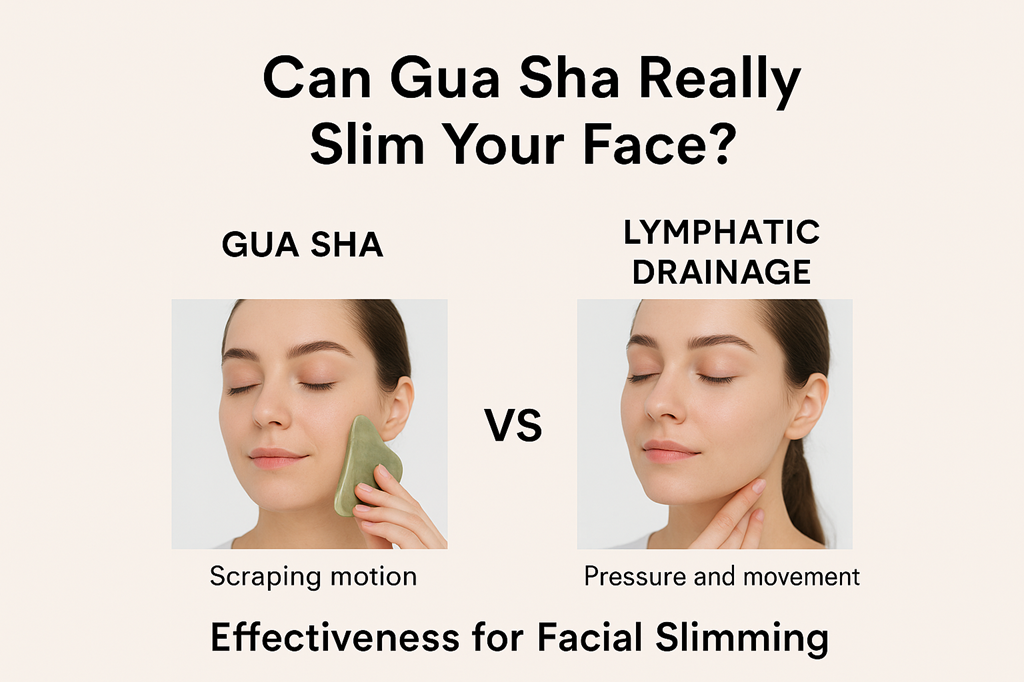
A Guide To Gua Sha Stomach Benefits Read More »

Gua Sha is a TCM treatment that involves scraping the surface of oily tissue with a smooth-edged implement such as a spoon or coin to loosen and release hard, stagnant areas of the body, and then gently pushing out. Some of the stomach benefits of Gua Sha include reducing waist fat, removing toxins from the stomach, boosting the immune system, and improving overall health. The stomach is the center of life and the source of energy for all. It rules physical and mental health. When digestion becomes unbalanced, symptoms such as pain, bloating, indigestion, nausea, and nervousness can occur. Specifically, indigestion refers to a lack of temper. ) The function of the stomach is closely related to the spleen, which provides power for the body. Benefits of Gua Sha Stomach The benefits of gua sha the stomach start from digestion. It improves digestion by increasing “Qi” which moves food through the stomach and intestines. Therefore, Gua Sha can gently flush out toxins in the stomach while relieving stagnation caused by poor diet or stress. Improved Qi and blood flow also helps reduce fat around the waistline, where most people are prone to dampness and phlegm. These are two causes of indigestion and can lead to other health problems. Humidity can also lead to bloating, weight gain, water retention and mental stress. Phlegm is thought to cause slow digestion, leading to bloating, nausea, vomiting and loss of appetite after eating. When Qi is out of balance, the stomach cannot absorb nutrients effectively. Gua Sha can also help reduce these symptoms by improving immune function and enhancing the body’s overall health. Gua Sha is thought to move energy through the whole body, including blood flow. Improved circulation helps all organ systems, boosts immunity, and improves mental alertness. It also boosts energy and relieves fatigue. Gua Sha, also known as “doctor’s hand,” is an ancient Chinese technique used to reduce pain and inflammation in the body. The doctor’s hand technique creates small wounds in the skin by scraping the skin with a piece of jade or glass, which helps to flush out toxins from the body. The rubbing action also stimulates your digestive system, helping you reduce gas. Not only does this remedy have many benefits for your stomach, but it can also be used to treat other ailments such as asthma, headaches, and more! The treatment either eliminates energy blockages that cause pain or irritation by moving them to another part of the body where they are metabolized through the normal digestive system, or it can help balance internal systems that may be struggling (such as the digestive system). Gua Sha has many benefits for the stomach, including reducing fatigue and stress by releasing blocked energy in the meridians, rejuvenating muscles and connective tissue, stimulating the digestive tract to improve function, increasing blood circulation and immunity, and helping to relieve abdominal pain and bloating. The ancient Gua Sha therapy uses Gua Sha tools to remove stagnation in body meridians – energy pathways that run through your body. The procedure can help relieve stomach upset, chest pain, and digestive problems such as constipation or diarrhea. Gua Sha, also known as the “spoon technique” or “coin,” uses a smooth piece of jade, bone, horn, plastic, or glass to create friction over areas rich in connective tissue. Gua Sha is most commonly used in China and Southeast Asia to treat common ailments such as: Gua Sha is usually performed on the neck, back, shoulders, abdomen or buttocks. Depending on where you are treated, you may feel uncomfortable when your doctor performs Gua Sha on your stomach. However, unless you are undergoing treatment in your lower back or around the new scar, you should not feel pain. DIY Gua Sha Treatment for Stomach at Home To use gua sha at home to scrape your tummy, simply run the gua sha tool over your belly in a clockwise direction, first doing 4-5 quick scrapes on your right side, then repeat the process about two times on your left side. Then move to the lower right abdomen, repeat for about two minutes, and finally move to the belly button for another minute. Note that the gua sha tool should be at a 45-degree angle with light contact. If you did it right, you should feel some heat coming from under your skin. Scraping also has a good detoxification effect, so it is best to drink plenty of water after shaving your stomach. For best results, allow 2 to 4 weeks between treatments. You’ll start to feel better before that time has passed, but to prevent your symptoms from recurring, try to do a gua sha at least once a month. Gua Sha is a very safe treatment that can be performed anywhere on the body, including the stomach and abdomen. Ancient Chinese doctors believed that diseases were caused by the imbalance of yin and yang forces in the body and the weakening of qi movement. In modern times, this theory translates to an imbalance of estrogen and progesterone, which reduces a woman’s energy levels and sense of well-being. The stomach benefits of Gua Sha can be enhanced by maintaining a balanced diet that includes fresh fruits and vegetables, proper hydration, exercise, and regular massage. Massage therapists know that gua sha is an effective way to improve circulation and treat many other common ailments such as muscle stiffness, tendonitis, carpal tunnel syndrome, and back pain. There is basically no bad feedback on the benefits of scraping the stomach, the only thing that needs to be paid attention to is the residue of scars. Because gua sha usually leaves red spots on the surface of your skin, this is caused by subcutaneous capillary bleeding. Usually this disappears quickly, but it can have serious consequences for those with scarring or blood clotting disorders. So if you belong to this group of people, please try to avoid using Gua Sha or use it under the supervision and approval of a professional

How to Use the Gua Sha Tool and the Gua Sha Benefits for Your Health and Skin

Among the many high-tech microcurrent devices, LED masks and ultrasonic scrapers flooding the beauty market, certain lo-fi skin tools have remained perennially popular. Gua Sha, for example, is a centuries-old practice that has since inspired hundreds of thousands of posts on Instagram and over a billion views on TikTok. Still, pick one of these posts at random and you might see that someone is using a Gua Sha stone all wrong. It is impossible for you to fully understand the history, purpose and technique of Gua Sha in a few minutes video. If you want to get some background on gua sha and learn how to use a gua sha tool at home, read on. What is Gua Sha? While gua sha may seem like a new trend from a social media perspective, it first emerged during the Paleolithic era as a cultural practice of Chinese medicine. According to an article published in the journal Discovery, practitioners use flat tools to repeatedly scratch the skin, causing blemishes (which are not acne) without causing abrasions on the skin. “gua” means “to scrape,” and “sha” means “sand, sharkskin, or ‘red, raised, millet-sized rash,’” referring to the resulting blemish, “[Gua Sha] was originally used to treat medical ailments. So for febrile illnesses, colds, flu, muscle aches, etc., Gua Sha is applied to the body in a very quick, vigorous motion to help eliminate any internal pathogens or Body aches.” Facial gua sha did not become a thing until the Empress Dowager Cixi “really popularized gua sha for beauty”. She began repurposing Gua Sha tools using gemstones such as jade and began applying them on her face for cosmetic benefits, which then became very popular among China’s upper-class elite. What are the Benefits of Gua Sha? The human body has more than 2,000 points connected by meridians (channels), through which, according to Chinese medicine, an energy called qi flows. Gua Sha is designed to help keep Qi flowing in these channels. Broadly speaking, the goal is to avoid meridian stagnation, which is thought to lead to negative health outcomes. In addition to general health promotion, you can customize your session based on the benefits of Gua Sha you want. That might mean relieving tension from craning your neck to look at your phone, boosting circulation in the morning, or calming the nervous system by lighting a few candles and slowly sliding tools over your skin at night. Whatever your focus, Gua Sha is an opportunity to show some love to yourself. In fact, the purpose of Gua Sha is widely misunderstood. In the west, Gua Sha has a lot of predatory marketing, like eliminating wrinkles, reducing fine lines, getting rid of double chins. Traditionally, the purpose of spiritual practice has nothing to do with erasing oneself. In fact, Chinese medicine says that if you change your face, you change your destiny. For example, you might notice “11 lines” between your eyebrows, which may be the result of frowning, and reflect on whether you have unresolved anger. Gua Sha can be a way of communicating with [yourself] and sitting down with it and trying to change and soften it. Once you start a dialogue between your spirit, your face and yourself, then your spirit will emerge. When your spirit is present, it really shines through any imperfections. Then you get into a place where you can easily cope with aging or the state of your face. So despite a popular saying that Gua Sha is not a Botox replacement, the truth is, the two treatments are worlds apart. While Botox can relax muscles to prevent wrinkles—which can limit your ability to make emotional facial expressions—Gua Sha is about processing your emotions. When you compare the two, it does a disservice to indigenous practice because [gua sha] is not Botox. When it doesn’t work like Botox – it doesn’t freeze your muscles – then people believe TCM doesn’t work. How to Choose Gua Sha Tools Gua sha tools are readily available in brick-and-mortar stores and online marketplaces that sell beauty products. These tools are usually made of different types of stone (such as obsidian or jade) or stainless steel. A good choice is a Gua Sha stone made of rose quartz, as some darker stones are “more coveted” and therefore may be subject to potentially unethical sourcing practices. Additionally, you can inquire about the source of the brand’s material. Smaller mines adhere to more ethical standards, and the general rule of thumb is that the darker the stone, the more coveted [it is] and the more conflict around its mining, but that’s false. As a leading factory, we know that it is not its color that determines the value of Gua Sha. Quite the opposite, light colored stones are generally more expensive than dark colored stones. The best way to find out if it was ethically sourced is to investigate your supplier and get as much evidence as possible. How to Use Gua Sha Stones To get the most out of your Gua Sha practice, you should prep your skin beforehand and apply gentle pressure. Before using a Gua Sha stone or tool, the key is to wash your hands and face, then apply a face cream or about five drops of face oil to create a smooth surface for the tool. Sometimes high-quality facial oils can get absorbed quickly, so your skin won’t stay smooth for very long. You can soak the tool in warm water or warm it between your palms before use, but this is not required. [Traditional Chinese medicine preference] Warm heat, because warm heat promotes qi and blood. When using a Gua Sha tool, you should hold the tool at a very slight angle, almost parallel to your skin. Many times we see videos where the tool is perpendicular to the skin and actually cuts into the meridians like a knife cutting bread. For Chinese medicine, you are trying to move with the meridians to help them open. Also, you should use “soft”

How to Use the Gua Sha Tool and the Gua Sha Benefits for Your Health and Skin Read More »

Among the many high-tech microcurrent devices, LED masks and ultrasonic scrapers flooding the beauty market, certain lo-fi skin tools have remained perennially popular. Gua Sha, for example, is a centuries-old practice that has since inspired hundreds of thousands of posts on Instagram and over a billion views on TikTok. Still, pick one of these posts at random and you might see that someone is using a Gua Sha stone all wrong. It is impossible for you to fully understand the history, purpose and technique of Gua Sha in a few minutes video. If you want to get some background on gua sha and learn how to use a gua sha tool at home, read on. What is Gua Sha? While gua sha may seem like a new trend from a social media perspective, it first emerged during the Paleolithic era as a cultural practice of Chinese medicine. According to an article published in the journal Discovery, practitioners use flat tools to repeatedly scratch the skin, causing blemishes (which are not acne) without causing abrasions on the skin. “gua” means “to scrape,” and “sha” means “sand, sharkskin, or ‘red, raised, millet-sized rash,’” referring to the resulting blemish, “[Gua Sha] was originally used to treat medical ailments. So for febrile illnesses, colds, flu, muscle aches, etc., Gua Sha is applied to the body in a very quick, vigorous motion to help eliminate any internal pathogens or Body aches.” Facial gua sha did not become a thing until the Empress Dowager Cixi “really popularized gua sha for beauty”. She began repurposing Gua Sha tools using gemstones such as jade and began applying them on her face for cosmetic benefits, which then became very popular among China’s upper-class elite. What are the Benefits of Gua Sha? The human body has more than 2,000 points connected by meridians (channels), through which, according to Chinese medicine, an energy called qi flows. Gua Sha is designed to help keep Qi flowing in these channels. Broadly speaking, the goal is to avoid meridian stagnation, which is thought to lead to negative health outcomes. In addition to general health promotion, you can customize your session based on the benefits of Gua Sha you want. That might mean relieving tension from craning your neck to look at your phone, boosting circulation in the morning, or calming the nervous system by lighting a few candles and slowly sliding tools over your skin at night. Whatever your focus, Gua Sha is an opportunity to show some love to yourself. In fact, the purpose of Gua Sha is widely misunderstood. In the west, Gua Sha has a lot of predatory marketing, like eliminating wrinkles, reducing fine lines, getting rid of double chins. Traditionally, the purpose of spiritual practice has nothing to do with erasing oneself. In fact, Chinese medicine says that if you change your face, you change your destiny. For example, you might notice “11 lines” between your eyebrows, which may be the result of frowning, and reflect on whether you have unresolved anger. Gua Sha can be a way of communicating with [yourself] and sitting down with it and trying to change and soften it. Once you start a dialogue between your spirit, your face and yourself, then your spirit will emerge. When your spirit is present, it really shines through any imperfections. Then you get into a place where you can easily cope with aging or the state of your face. So despite a popular saying that Gua Sha is not a Botox replacement, the truth is, the two treatments are worlds apart. While Botox can relax muscles to prevent wrinkles—which can limit your ability to make emotional facial expressions—Gua Sha is about processing your emotions. When you compare the two, it does a disservice to indigenous practice because [gua sha] is not Botox. When it doesn’t work like Botox – it doesn’t freeze your muscles – then people believe TCM doesn’t work. How to Choose Gua Sha Tools Gua sha tools are readily available in brick-and-mortar stores and online marketplaces that sell beauty products. These tools are usually made of different types of stone (such as obsidian or jade) or stainless steel. A good choice is a Gua Sha stone made of rose quartz, as some darker stones are “more coveted” and therefore may be subject to potentially unethical sourcing practices. Additionally, you can inquire about the source of the brand’s material. Smaller mines adhere to more ethical standards, and the general rule of thumb is that the darker the stone, the more coveted [it is] and the more conflict around its mining, but that’s false. As a leading factory, we know that it is not its color that determines the value of Gua Sha. Quite the opposite, light colored stones are generally more expensive than dark colored stones. The best way to find out if it was ethically sourced is to investigate your supplier and get as much evidence as possible. How to Use Gua Sha Stones To get the most out of your Gua Sha practice, you should prep your skin beforehand and apply gentle pressure. Before using a Gua Sha stone or tool, the key is to wash your hands and face, then apply a face cream or about five drops of face oil to create a smooth surface for the tool. Sometimes high-quality facial oils can get absorbed quickly, so your skin won’t stay smooth for very long. You can soak the tool in warm water or warm it between your palms before use, but this is not required. [Traditional Chinese medicine preference] Warm heat, because warm heat promotes qi and blood. When using a Gua Sha tool, you should hold the tool at a very slight angle, almost parallel to your skin. Many times we see videos where the tool is perpendicular to the skin and actually cuts into the meridians like a knife cutting bread. For Chinese medicine, you are trying to move with the meridians to help them open. Also, you should use “soft”

Scroll to Top

Getting Fast Reply

gua sha wholesale
Please enter product details (such as color, size, materials etc.) and other specifc requirements to receive an accurate quote.