Blog

Gua sha vs Cupping: What You Need to Know

If you’re interested in natural and alternative therapies for health and wellness, you may have heard of Gua sha and cupping. Both techniques have been used for centuries in traditional Chinese medicine, and both involve manipulating the skin to promote healing and relaxation. But what is the difference between Gua sha and cupping, and which one is better? In this article, we’ll dive deeper into these questions and explore the benefits, uses, and risks of these ancient practices. What is Gua sha? Gua sha is a traditional Chinese therapy that involves using a smooth-edged tool, often made of jade or rose quartz, to scrape the skin in long, firm strokes. The goal of Gua sha is to stimulate blood flow, release tension, and promote healing by bringing stagnant energy or “chi” to the surface of the skin. Gua sha is often used for facial rejuvenation, as well as to relieve pain and stiffness in other parts of the body. What are the Benefits of Gua sha? Gua sha has been associated with several health benefits, including: What is Cupping? Cupping is a therapy that involves placing cups on the skin and creating suction to stimulate blood flow and relieve muscle tension. There are two types of cupping: dry cupping, which uses a vacuum pump to create suction, and wet cupping, which involves making small incisions in the skin to draw out toxins. Cupping is often used for pain relief, respiratory issues, and detoxification. What are the Benefits of Cupping? Cupping has been associated with several health benefits, including: How to Use Gua Sha and Cupping? Gua sha: Cupping: Gua Sha vs Cupping: Which one is better? The choice between Gua sha and cupping depends on your specific needs and preferences. Gua sha is more commonly used for facial rejuvenation and enhancing skin health, while cupping is often used for pain relief and detoxification. However, both practices can be effective in reducing pain, promoting relaxation, and improving overall health. Some practitioners even use Gua sha and cupping together for enhanced benefits. What Things You Should Pay Attention to When Using Gua Sha or Cupping? When using Gua sha or cupping, it’s essential to pay attention to the following things: Can Gua Sha be Used With Cupping? Yes, Gua sha can be used with cupping for enhanced benefits. Some practitioners use Gua sha to prepare the skin before cupping by promoting circulation and releasing tension. Others use cupping to create suction and then follow up with Gua sha to release tension and promote circulation. Conclusion In conclusion, both Gua sha and cupping have been used for centuries in traditional Chinese medicine to promote health and wellness. While they have some similarities, they also have some distinct differences. Gua sha is often used for facial rejuvenation and enhancing skin health, while cupping is used for pain relief, detoxification, and respiratory issues. The choice between Gua sha and cupping ultimately depends on your specific needs and preferences. However, it’s essential to use them correctly and consult with a healthcare professional before trying them to avoid any potential side effects or complications. With proper use, Gua sha and cupping can be valuable tools for promoting health and wellness naturally.

Gua sha vs Cupping: What You Need to Know Read More »

If you’re interested in natural and alternative therapies for health and wellness, you may have heard of Gua sha and cupping. Both techniques have been used for centuries in traditional Chinese medicine, and both involve manipulating the skin to promote healing and relaxation. But what is the difference between Gua sha and cupping, and which one is better? In this article, we’ll dive deeper into these questions and explore the benefits, uses, and risks of these ancient practices. What is Gua sha? Gua sha is a traditional Chinese therapy that involves using a smooth-edged tool, often made of jade or rose quartz, to scrape the skin in long, firm strokes. The goal of Gua sha is to stimulate blood flow, release tension, and promote healing by bringing stagnant energy or “chi” to the surface of the skin. Gua sha is often used for facial rejuvenation, as well as to relieve pain and stiffness in other parts of the body. What are the Benefits of Gua sha? Gua sha has been associated with several health benefits, including: What is Cupping? Cupping is a therapy that involves placing cups on the skin and creating suction to stimulate blood flow and relieve muscle tension. There are two types of cupping: dry cupping, which uses a vacuum pump to create suction, and wet cupping, which involves making small incisions in the skin to draw out toxins. Cupping is often used for pain relief, respiratory issues, and detoxification. What are the Benefits of Cupping? Cupping has been associated with several health benefits, including: How to Use Gua Sha and Cupping? Gua sha: Cupping: Gua Sha vs Cupping: Which one is better? The choice between Gua sha and cupping depends on your specific needs and preferences. Gua sha is more commonly used for facial rejuvenation and enhancing skin health, while cupping is often used for pain relief and detoxification. However, both practices can be effective in reducing pain, promoting relaxation, and improving overall health. Some practitioners even use Gua sha and cupping together for enhanced benefits. What Things You Should Pay Attention to When Using Gua Sha or Cupping? When using Gua sha or cupping, it’s essential to pay attention to the following things: Can Gua Sha be Used With Cupping? Yes, Gua sha can be used with cupping for enhanced benefits. Some practitioners use Gua sha to prepare the skin before cupping by promoting circulation and releasing tension. Others use cupping to create suction and then follow up with Gua sha to release tension and promote circulation. Conclusion In conclusion, both Gua sha and cupping have been used for centuries in traditional Chinese medicine to promote health and wellness. While they have some similarities, they also have some distinct differences. Gua sha is often used for facial rejuvenation and enhancing skin health, while cupping is used for pain relief, detoxification, and respiratory issues. The choice between Gua sha and cupping ultimately depends on your specific needs and preferences. However, it’s essential to use them correctly and consult with a healthcare professional before trying them to avoid any potential side effects or complications. With proper use, Gua sha and cupping can be valuable tools for promoting health and wellness naturally.

Who Should Consider Using Gua Sha, And Who Should Avoid It?

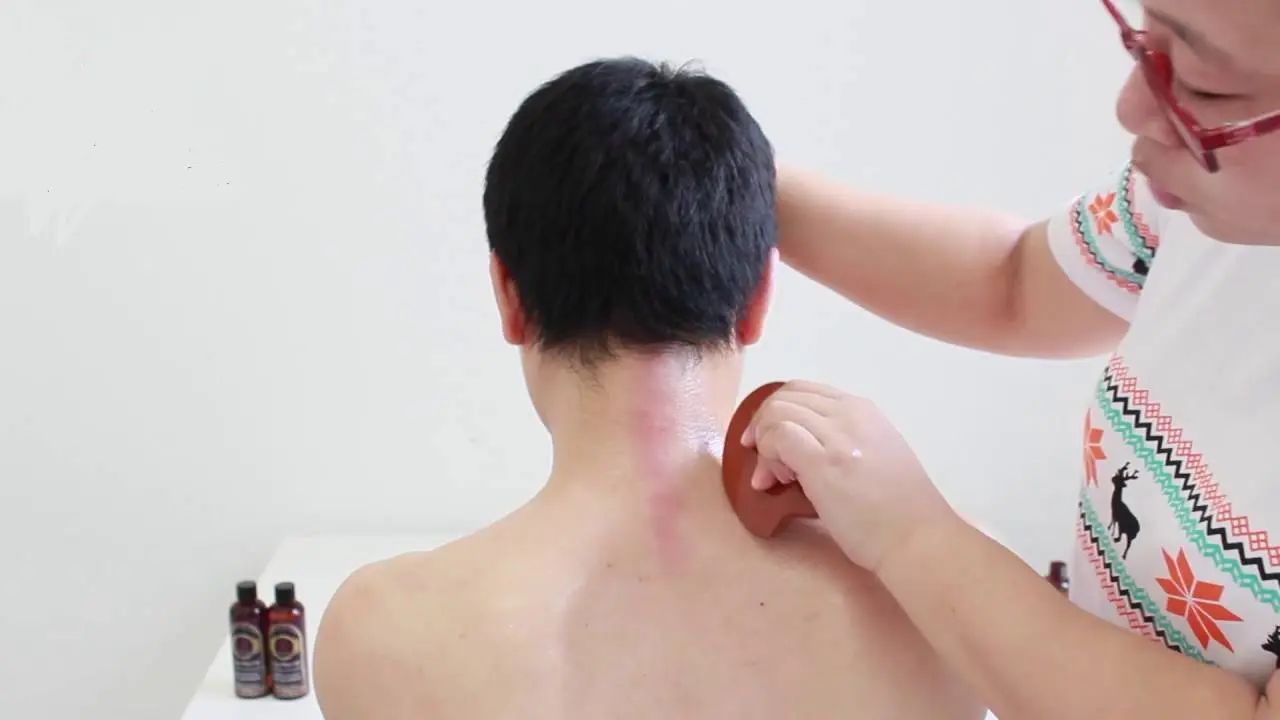
Gua sha, a traditional Chinese therapy that involves scraping the skin with a flat tool, has gained popularity in recent years for its potential benefits. While gua sha is generally considered safe, there are some potential negative effects to be aware of, and certain groups of people should avoid or be cautious with gua sha. Are There Any Negative Effects of Gua Sha? Gua sha is generally considered safe when performed correctly, but there are some potential negative effects to be aware of: It’s important to note that these negative effects are relatively uncommon, and most people experience only mild discomfort or no adverse effects at all. Who is Gua Sha Contraindicated For? While gua sha is generally safe for most people, there are some groups who should avoid or be cautious with gua sha: It’s important to speak with a healthcare professional or trained gua sha practitioner if you have any concerns about whether gua sha is appropriate for you. They can help determine if you have any contraindications and provide guidance on safe and effective gua sha techniques. Does Gua Sha Work for Everyone? While gua sha may provide benefits for many people, it may not work for everyone. Some people may not experience any benefits or may experience negative effects. It’s important to keep in mind that gua sha is not a substitute for medical treatment, and people with serious medical conditions should always consult with a healthcare professional. Who can Using Gua Sha? Most people can use gua sha safely and effectively with proper training and technique. However, some groups may benefit more than others from gua sha: How to Use Gua Sha To use gua sha, first, apply a lubricant, such as oil or lotion, to the skin. Next, use a gua sha tool to apply pressure and scrape the skin in long strokes, starting from the center of the face or body and moving outward. It’s important to use light to moderate pressure and to avoid gua sha too hard or fast, as this can cause bruising or irritation. Gua sha can be performed on the face, neck, shoulders, back, arms, and legs. Benefits of Gua Sha Gua sha has been associated with a range of potential benefits, including: Gua Sha Wholesale For those interested in purchasing gua sha tools in bulk for personal use or resale, there are many options for gua sha wholesale. These tools can be found online or through traditional Chinese medicine suppliers-such as Deyi Gems. In conclusion, gua sha can provide potential benefits for many people, but it’s important to be aware of any contraindications and to use proper technique to avoid negative effects. As with any natural therapy, it’s important to speak with a healthcare professional or trained gua sha practitioner before starting treatment

Who Should Consider Using Gua Sha, And Who Should Avoid It? Read More »

Gua sha, a traditional Chinese therapy that involves scraping the skin with a flat tool, has gained popularity in recent years for its potential benefits. While gua sha is generally considered safe, there are some potential negative effects to be aware of, and certain groups of people should avoid or be cautious with gua sha. Are There Any Negative Effects of Gua Sha? Gua sha is generally considered safe when performed correctly, but there are some potential negative effects to be aware of: It’s important to note that these negative effects are relatively uncommon, and most people experience only mild discomfort or no adverse effects at all. Who is Gua Sha Contraindicated For? While gua sha is generally safe for most people, there are some groups who should avoid or be cautious with gua sha: It’s important to speak with a healthcare professional or trained gua sha practitioner if you have any concerns about whether gua sha is appropriate for you. They can help determine if you have any contraindications and provide guidance on safe and effective gua sha techniques. Does Gua Sha Work for Everyone? While gua sha may provide benefits for many people, it may not work for everyone. Some people may not experience any benefits or may experience negative effects. It’s important to keep in mind that gua sha is not a substitute for medical treatment, and people with serious medical conditions should always consult with a healthcare professional. Who can Using Gua Sha? Most people can use gua sha safely and effectively with proper training and technique. However, some groups may benefit more than others from gua sha: How to Use Gua Sha To use gua sha, first, apply a lubricant, such as oil or lotion, to the skin. Next, use a gua sha tool to apply pressure and scrape the skin in long strokes, starting from the center of the face or body and moving outward. It’s important to use light to moderate pressure and to avoid gua sha too hard or fast, as this can cause bruising or irritation. Gua sha can be performed on the face, neck, shoulders, back, arms, and legs. Benefits of Gua Sha Gua sha has been associated with a range of potential benefits, including: Gua Sha Wholesale For those interested in purchasing gua sha tools in bulk for personal use or resale, there are many options for gua sha wholesale. These tools can be found online or through traditional Chinese medicine suppliers-such as Deyi Gems. In conclusion, gua sha can provide potential benefits for many people, but it’s important to be aware of any contraindications and to use proper technique to avoid negative effects. As with any natural therapy, it’s important to speak with a healthcare professional or trained gua sha practitioner before starting treatment

Gua Sha for Plantar Fasciitis: A Guide to Best Relief

If you suffer from plantar fasciitis pain, chances are you’ve tried a variety of techniques, from self-massage to custom insoles. Whether you’re a professional athlete or are very active throughout the day, finding reproducible relief can seem like a never-ending task. Fortunately, gua sha is one of the most effective ways to help relieve plantar fasciitis pain, both in the short and long term. But what exactly is crawling? What is its role in plantar fasciitis relief? how does it help If you’re on the fence about whether you should incorporate gua sha into your recovery routine, this article explores what gua sha is and why it can help manage plantar fasciitis pain. We’ll also look at the proper technique for plantar fasciitis gua sah and guide you through the process. Does Gua Sha for Plantar Fasciitis is Work? Short answer: Yes, if you have plantar fasciitis, gua sha can be very effective for pain relief. how? Gua Sha relies on the ancient practice of Gua Sha that traditional Chinese medicine has used for hundreds of years to help fight inflammation, pain and more. Gua Sha allows you to take the benefits of Gua Sha to the next level. As mentioned in our previous blog post: Muscle gua sah increases blood flow, which supports nutrient absorption and promotes muscle repair. Gua Sha has also been shown to be effective in increasing range of motion and reducing pain. The answer to how gua sha induces inflammation but reduces pain may lie in part in its effect on the nervous system. Microtrauma from light surface stimuli associated with gua sha activates specific pain fibers belonging to nerve relays called the spino-thalamo-cortical pathway…Gua sha has also been shown to be effective in increasing range of motion and reducing pain. In fact, we have hundreds of customers using Eclipse specifically for plantar fasciitis relief with success. Points of Gua Sha Relief for Plantar Fasciitis The effectiveness of gua sha for plantar fasciitis comes down to a few things: Tip 1: Don’t Limit Scratching to the Plantar Fascia Gua Sha is the best way to treat plantar fasciitis by targeting the arch and calf muscles. Tight calf muscles are a common cause of plantar fascia pain, and combining gua sah with targeted flexibility and strengthening exercises can help create a holistic approach to recovery. Tip 2: Gua Sha while flexing and extending Also, try gua sah your muscles while flexing and extending. For example, when shaving your calves, turn your toes away from you and pull your toes toward you. In each of these positions, your calf muscles shorten and lengthen. Try shaving your calf in each position to feel the difference. Tip 3: More Pain Does Not Necessarily Bring More Gain! Athletes often follow the mantra that no pain, no gain. We share the same philosophy when it comes to training. However, to relieve plantar fasciitis, severe pain should be avoided. You may experience mild discomfort depending on the severity and sensitivity of your plantar fascia, but keep it tolerable to avoid further damage. The stress is all under your control! Can a Butter Knife and A Lacrosse Ball be Used for Gua Sha? While we are passionate about using various tools to help you recover and relieve pain, when it comes to plantar fasciitis, the recovery tool you choose is very important. While it may be tempting to use a butter knife, the truth is that it’s not specifically designed for pain relief, nor is it suitable for long-term use. And let’s not forget the obvious — sharp edges can leave lasting damage. Likewise, lacrosse is a great starting tool, but it has its limitations. Lacrosse balls often don’t provide the targeted relief that regular gua sha tools can. Please use professional gua sah tools! When designing the shape of the gua sha, we worked hard to ensure that the contours of our tools conform to your body for more effective and efficient gua sha. The delicate edges of the gua sha create localized pressure, signaling your body to increase blood flow to the area. Does Gua Sha Hurt? While shaving your feet can be intimidating at first, if you’re looking for plantar fasciitis relief, it’s one of the best ways to relieve pain and help you get through your day, and it only takes a few minutes a day. For general muscle relief, we do not recommend scratching the sore spot. With plantar fasciitis, you may experience mild discomfort depending on the severity and sensitivity of the area. It doesn’t matter, as long as it is within the acceptable range. If you can’t have a normal conversation with someone while using Gua Sha, you’re trying too hard. We recommend starting with light pressure and working your way up to a comfortable pace. Less is more when you start out. As you continue to use gua sah as part of your plantar fasciitis routine, you may be adding to the stress. 3 Simple Steps to Using Gua Sha for Plantar Fasciitis The first step to getting the most out of gua sah is committing. It may take some time to get into a routine, but the benefits will increase over time. Below is a simple process for using gua sha to treat plantar fasciitis. step 1 Apply lubricating products to your feet, and you can use some therapeutic essential oils for better results. Of course, you can also use regular essential oils just for lubricating purposes. step 2 Starting with moderate pressure, use the gua sha tool and begin to scrape along the foot in each area for 20 seconds. Remember, it’s not supposed to get you hurt! If the pain is unbearable, reduce the amount of pressure you apply. step 3 Repeat to hang lying muscles around the plantar fascia, including the calf. The amount of pressure you apply should be such that you feel noticeable muscle soreness, but not unbearable. That’s it! You can repeat this process daily or as you see fit. If any muscle is sore from gua

Gua Sha for Plantar Fasciitis: A Guide to Best Relief Read More »

If you suffer from plantar fasciitis pain, chances are you’ve tried a variety of techniques, from self-massage to custom insoles. Whether you’re a professional athlete or are very active throughout the day, finding reproducible relief can seem like a never-ending task. Fortunately, gua sha is one of the most effective ways to help relieve plantar fasciitis pain, both in the short and long term. But what exactly is crawling? What is its role in plantar fasciitis relief? how does it help If you’re on the fence about whether you should incorporate gua sha into your recovery routine, this article explores what gua sha is and why it can help manage plantar fasciitis pain. We’ll also look at the proper technique for plantar fasciitis gua sah and guide you through the process. Does Gua Sha for Plantar Fasciitis is Work? Short answer: Yes, if you have plantar fasciitis, gua sha can be very effective for pain relief. how? Gua Sha relies on the ancient practice of Gua Sha that traditional Chinese medicine has used for hundreds of years to help fight inflammation, pain and more. Gua Sha allows you to take the benefits of Gua Sha to the next level. As mentioned in our previous blog post: Muscle gua sah increases blood flow, which supports nutrient absorption and promotes muscle repair. Gua Sha has also been shown to be effective in increasing range of motion and reducing pain. The answer to how gua sha induces inflammation but reduces pain may lie in part in its effect on the nervous system. Microtrauma from light surface stimuli associated with gua sha activates specific pain fibers belonging to nerve relays called the spino-thalamo-cortical pathway…Gua sha has also been shown to be effective in increasing range of motion and reducing pain. In fact, we have hundreds of customers using Eclipse specifically for plantar fasciitis relief with success. Points of Gua Sha Relief for Plantar Fasciitis The effectiveness of gua sha for plantar fasciitis comes down to a few things: Tip 1: Don’t Limit Scratching to the Plantar Fascia Gua Sha is the best way to treat plantar fasciitis by targeting the arch and calf muscles. Tight calf muscles are a common cause of plantar fascia pain, and combining gua sah with targeted flexibility and strengthening exercises can help create a holistic approach to recovery. Tip 2: Gua Sha while flexing and extending Also, try gua sah your muscles while flexing and extending. For example, when shaving your calves, turn your toes away from you and pull your toes toward you. In each of these positions, your calf muscles shorten and lengthen. Try shaving your calf in each position to feel the difference. Tip 3: More Pain Does Not Necessarily Bring More Gain! Athletes often follow the mantra that no pain, no gain. We share the same philosophy when it comes to training. However, to relieve plantar fasciitis, severe pain should be avoided. You may experience mild discomfort depending on the severity and sensitivity of your plantar fascia, but keep it tolerable to avoid further damage. The stress is all under your control! Can a Butter Knife and A Lacrosse Ball be Used for Gua Sha? While we are passionate about using various tools to help you recover and relieve pain, when it comes to plantar fasciitis, the recovery tool you choose is very important. While it may be tempting to use a butter knife, the truth is that it’s not specifically designed for pain relief, nor is it suitable for long-term use. And let’s not forget the obvious — sharp edges can leave lasting damage. Likewise, lacrosse is a great starting tool, but it has its limitations. Lacrosse balls often don’t provide the targeted relief that regular gua sha tools can. Please use professional gua sah tools! When designing the shape of the gua sha, we worked hard to ensure that the contours of our tools conform to your body for more effective and efficient gua sha. The delicate edges of the gua sha create localized pressure, signaling your body to increase blood flow to the area. Does Gua Sha Hurt? While shaving your feet can be intimidating at first, if you’re looking for plantar fasciitis relief, it’s one of the best ways to relieve pain and help you get through your day, and it only takes a few minutes a day. For general muscle relief, we do not recommend scratching the sore spot. With plantar fasciitis, you may experience mild discomfort depending on the severity and sensitivity of the area. It doesn’t matter, as long as it is within the acceptable range. If you can’t have a normal conversation with someone while using Gua Sha, you’re trying too hard. We recommend starting with light pressure and working your way up to a comfortable pace. Less is more when you start out. As you continue to use gua sah as part of your plantar fasciitis routine, you may be adding to the stress. 3 Simple Steps to Using Gua Sha for Plantar Fasciitis The first step to getting the most out of gua sah is committing. It may take some time to get into a routine, but the benefits will increase over time. Below is a simple process for using gua sha to treat plantar fasciitis. step 1 Apply lubricating products to your feet, and you can use some therapeutic essential oils for better results. Of course, you can also use regular essential oils just for lubricating purposes. step 2 Starting with moderate pressure, use the gua sha tool and begin to scrape along the foot in each area for 20 seconds. Remember, it’s not supposed to get you hurt! If the pain is unbearable, reduce the amount of pressure you apply. step 3 Repeat to hang lying muscles around the plantar fascia, including the calf. The amount of pressure you apply should be such that you feel noticeable muscle soreness, but not unbearable. That’s it! You can repeat this process daily or as you see fit. If any muscle is sore from gua

Gua Sha Helps Relieve Facial Tension-But Did You Know Gua Sha for Foot Pain Benefits?

Over the past few years, the quest to sculpt skin has led to the growing popularity in the West of Gua Sha, an ancient folk medicine practice from China that involves gua sha the skin with smooth stones, animal horns, and more. This method of facial massage is said to increase blood flow, loosen tight jaw muscles, and even sculpt facial contours over time without costly injections. What you may not realize, though, is that the power of Gua Sha goes beyond creating a sculpted jaw. The practice has been used for centuries to relieve pain and treat ailments from head to toe—literally. If chronic foot pain is getting in the way of your daily life, it might be time for a DIY massage. Read on to discover gua sha tools and techniques that can help you get back on your feet. How Does Gua Sha Treat Foot Pain? Mr. Deng is a veteran TCM physiotherapist who has been using Gua Sha massage on patients’ feet for over 300 years. Along with cupping therapy, Gua Sha remains one of his favorite treatments for muscle strains because of its ability to break down fascia, the thin connective tissue that holds our muscles in place. “Every bone, joint, muscle, organ, artery, vein, everything in the body is surrounded by fascia,” Mr Deng explained. “As we age, we grow, we fall, we get sick, and we think something happened to our body. Minor trauma — and even bigger trauma, like a bone fracture — can create adhesions in the fascia. “ A body gua sha massage breaks down those thick adhesions and unearths tight knots in your muscles while increasing your circulation. This helps the fascia return to a healthy, lubricated state, making it easier for your muscles to move against each other, Deng says. “When you stick on the fascia, it becomes more like Velcro, rather than lubricating and sliding against each other,” Deng said. “It’s going to reduce range of motion, it’s going to cause pain patterns, it’s going to cause movement and joint dysfunction.” Loosening tight fascia in the foot can help support tense muscles from gait, posture, and injuries, and can help relieve the most common foot discomforts, Deng says. How to Use Gua Sha for Foot Pain Deng recommends using ergonomic stainless steel tools for body gua sha instead of jade. Stainless steel is very durable, easy to clean, and glides well in lubricated areas. Facial gua sha tools tend to be thinner and have soft, rounded edges for the chin. While this shape is great for small areas, gua sha tools with side lengths and more pointed angles can better target body parts, Deng says. As with facial gua sha, Deng recommends properly lubricating your feet before attempting gua sha. Lubricating with oil or balm will help the tool glide easily over your skin, allowing you to rub the area more effectively. “If you gua sha directly on the skin, it breaks [the skin],” Deng said. “I tend to recommend something like coconut oil because it doesn’t get absorbed into the skin as quickly. You just want something to help create lubrication on the tissue.” Before you begin, you need to identify the source of your foot pain. Often, foot pain and calf pain occur together, Deng said. Using a gua sha tool and lubricant, gently rub the affected area “backflow” along the pain to the calf. Pay attention to the sound and feel of your muscles during gua sha; Deng says tight fascia will have a crunchy, Velcro-like texture. “As long as you feel more crunch or grit under the skin, that’s a good indicator of where to work,” says Deng. Hammer toe gua sha Targeting the soles of the feet near the metatarsophalangeal joint (aka the toe joint) can help restore mobility and relieve hammertoe symptoms, says Deng. Gua Sha for plantar fasciitis Rubbing along the plantar fascia from the heel up to the ball of the foot can help break down tissue and relieve plantar fasciitis. Pulling your toes toward you can help you better target this area, says Deng. bunion gua sha According to Deng, gently rubbing a bunion in the early stages can help break down the tight connective tissue that has formed due to misalignment of the big toe. Footwear, or poor biomechanics, but it can help,” he added. How often can I use Gua Sha for foot pain? While there is no set time limit on how often you can use Gua Sha, Tang recommends listening to your body’s signals. Overuse can make your feet sore and can even lead to bruising. According to Deng, just a few minutes a day is enough to help relieve foot pain. If your foot pain persists, Mr. Deng recommends daily gua sha to help break down stubborn fascia. Other Considerations Less is More Apply enough pressure to the muscle, but be careful: Excessive friction can damage capillaries near the surface of the skin, leading to painful, unsightly bruising. “Less is more, and you don’t have to work very hard,” Deng said. “You’re just trying to normalize tissue function — you’re trying to improve relaxed tissue.” Avoid Sensitive Areas When using Gua Sha on your feet, gently massage sensitive areas that lack adequate padding, such as the toes and the top of the foot. “You can really tear through the tissue because there’s a hard surface underneath the tissue without a lot of fat or pads,” Deng said, “so if you’re going to do it on bone, you have to be extra gentle.” Be wary of past traumas, medical diagnoses and skin issues, too, Mr Deng said. Massaging the damaged area can exacerbate existing problems; when in doubt, consult your physician first. “You don’t want to scratch an area that has a rash or an open wound, and I wouldn’t scratch an area that has been diagnosed with cancer,” Deng adds. Wholesale Best Stainless Steel Gua Sha? Contact us! Deyi Gems, as the leading gua sha

Gua Sha Helps Relieve Facial Tension-But Did You Know Gua Sha for Foot Pain Benefits? Read More »

Over the past few years, the quest to sculpt skin has led to the growing popularity in the West of Gua Sha, an ancient folk medicine practice from China that involves gua sha the skin with smooth stones, animal horns, and more. This method of facial massage is said to increase blood flow, loosen tight jaw muscles, and even sculpt facial contours over time without costly injections. What you may not realize, though, is that the power of Gua Sha goes beyond creating a sculpted jaw. The practice has been used for centuries to relieve pain and treat ailments from head to toe—literally. If chronic foot pain is getting in the way of your daily life, it might be time for a DIY massage. Read on to discover gua sha tools and techniques that can help you get back on your feet. How Does Gua Sha Treat Foot Pain? Mr. Deng is a veteran TCM physiotherapist who has been using Gua Sha massage on patients’ feet for over 300 years. Along with cupping therapy, Gua Sha remains one of his favorite treatments for muscle strains because of its ability to break down fascia, the thin connective tissue that holds our muscles in place. “Every bone, joint, muscle, organ, artery, vein, everything in the body is surrounded by fascia,” Mr Deng explained. “As we age, we grow, we fall, we get sick, and we think something happened to our body. Minor trauma — and even bigger trauma, like a bone fracture — can create adhesions in the fascia. “ A body gua sha massage breaks down those thick adhesions and unearths tight knots in your muscles while increasing your circulation. This helps the fascia return to a healthy, lubricated state, making it easier for your muscles to move against each other, Deng says. “When you stick on the fascia, it becomes more like Velcro, rather than lubricating and sliding against each other,” Deng said. “It’s going to reduce range of motion, it’s going to cause pain patterns, it’s going to cause movement and joint dysfunction.” Loosening tight fascia in the foot can help support tense muscles from gait, posture, and injuries, and can help relieve the most common foot discomforts, Deng says. How to Use Gua Sha for Foot Pain Deng recommends using ergonomic stainless steel tools for body gua sha instead of jade. Stainless steel is very durable, easy to clean, and glides well in lubricated areas. Facial gua sha tools tend to be thinner and have soft, rounded edges for the chin. While this shape is great for small areas, gua sha tools with side lengths and more pointed angles can better target body parts, Deng says. As with facial gua sha, Deng recommends properly lubricating your feet before attempting gua sha. Lubricating with oil or balm will help the tool glide easily over your skin, allowing you to rub the area more effectively. “If you gua sha directly on the skin, it breaks [the skin],” Deng said. “I tend to recommend something like coconut oil because it doesn’t get absorbed into the skin as quickly. You just want something to help create lubrication on the tissue.” Before you begin, you need to identify the source of your foot pain. Often, foot pain and calf pain occur together, Deng said. Using a gua sha tool and lubricant, gently rub the affected area “backflow” along the pain to the calf. Pay attention to the sound and feel of your muscles during gua sha; Deng says tight fascia will have a crunchy, Velcro-like texture. “As long as you feel more crunch or grit under the skin, that’s a good indicator of where to work,” says Deng. Hammer toe gua sha Targeting the soles of the feet near the metatarsophalangeal joint (aka the toe joint) can help restore mobility and relieve hammertoe symptoms, says Deng. Gua Sha for plantar fasciitis Rubbing along the plantar fascia from the heel up to the ball of the foot can help break down tissue and relieve plantar fasciitis. Pulling your toes toward you can help you better target this area, says Deng. bunion gua sha According to Deng, gently rubbing a bunion in the early stages can help break down the tight connective tissue that has formed due to misalignment of the big toe. Footwear, or poor biomechanics, but it can help,” he added. How often can I use Gua Sha for foot pain? While there is no set time limit on how often you can use Gua Sha, Tang recommends listening to your body’s signals. Overuse can make your feet sore and can even lead to bruising. According to Deng, just a few minutes a day is enough to help relieve foot pain. If your foot pain persists, Mr. Deng recommends daily gua sha to help break down stubborn fascia. Other Considerations Less is More Apply enough pressure to the muscle, but be careful: Excessive friction can damage capillaries near the surface of the skin, leading to painful, unsightly bruising. “Less is more, and you don’t have to work very hard,” Deng said. “You’re just trying to normalize tissue function — you’re trying to improve relaxed tissue.” Avoid Sensitive Areas When using Gua Sha on your feet, gently massage sensitive areas that lack adequate padding, such as the toes and the top of the foot. “You can really tear through the tissue because there’s a hard surface underneath the tissue without a lot of fat or pads,” Deng said, “so if you’re going to do it on bone, you have to be extra gentle.” Be wary of past traumas, medical diagnoses and skin issues, too, Mr Deng said. Massaging the damaged area can exacerbate existing problems; when in doubt, consult your physician first. “You don’t want to scratch an area that has a rash or an open wound, and I wouldn’t scratch an area that has been diagnosed with cancer,” Deng adds. Wholesale Best Stainless Steel Gua Sha? Contact us! Deyi Gems, as the leading gua sha

Introducing Rose Quartz Gua Sha – The Most Popular Natural Gua Sha Tool!

gua sha has become a popular trend in the natural beauty industry, and they have swept the global beauty market at an extremely fast speed. And when it comes to gua sha, it’s hard to ignore rose quartz gua sha – it’s the most popular natural crystal gua sha tool! What are Rose Quartz Gua Sha Tools? There is not much difference between rose quartz gua sha tools and other gua sha tools in essence, the only difference is that the raw materials are different. Rose Quartz gua sha Tools are deeply loved by customers because of their exceptionally beautiful appearance and moderate price. What is Rose Quartz? Rose quartz is a type of quartzite. Rose Quartz, pink or pink quartz. Mainly used for decorative carving. Its color is due to containing a small amount of titanium. Crystals are extremely rare, often in massive form, and are carved or cut into convex or round grains. Clear quartz is uncommon, and the rutile inclusions in rose quartz may produce a starburst effect when cut convex. The main producing areas of pink crystal are Brazil, South Dakota, Colorado, Madagascar and the East China Sea in the United States. Most of the mineral materials of pink crystal are in the form of blocks, which are produced in pegmatites in various places. The texture of the powder crystal on the upper layer of the ore is relatively good. The powder crystal pillars currently seen on the market are all lumpy raw ore that has been polished to form a columnar shape. The texture of pink crystal is brittle, because the pink crystal contains a small amount of titanium, which makes it pink. If it is exposed to sunlight for a long time, it will lose its original delicate color and the color will become lighter. The Legend of Rose Quartz A long time ago, Aphrodite, the goddess of love and beauty in ancient Greek mythology, was born. This charming and beautiful goddess was born in the foam of the sea, and her face was so beautiful. In order to praise the beauty of this goddess, the gods created beautiful roses. Wherever Aphrodite went, all the roses bloomed for her, and the essence of the world was also formed in the roses. This is warm and welcoming pink crystal. Therefore, pink crystal is also known as “rose crystal”, and it can also be called “Aphrodite’s stone”, which is a representative of romance and beauty. Storage and Precautions for Rose Quartz Gua Sha Tools Unlike gem-grade rose crystal, the raw materials used to make rose quartz gua sha tools do not meet the standards of gemstones, so usually you don’t need a special care for it, just clean it before and after use That’s it. While no special maintenance is required, there are still a few things you need to pay attention to: As long as you pay attention to the above three points, the storage of rose quartz gua sha tools is not a big problem. Recommended Rose Quartz Gua Sha Tools 1. V-shaped Rose Quartz Gua Sha Tool One of the most common and popular styles on the market. Affordable price, and full effect. Well received by customers. 2. Mushroom-shaped Rose Quartz Gua Sha Tool It looks like a mushroom. This style is mainly used for massage around the eye area and areas with more muscle content such as the back. 3. Rose Quartz Gua Sha Comb A style for scalp massage. Because the gua sha plate without serrations cannot break through the hair barrier, it will affect the actual use effect, and the comb shape can solve this problem very well. These three styles are the styles we currently recommend, and they are also the three styles that are more popular in the market. If you wish to order gua sha tools, please feel free to contact us. As a leading gua sha factory in China, we have a variety of product styles for you to choose from, and we provide various customized services to meet your individual needs. If you are interested in this, contact us now!

Introducing Rose Quartz Gua Sha – The Most Popular Natural Gua Sha Tool! Read More »

gua sha has become a popular trend in the natural beauty industry, and they have swept the global beauty market at an extremely fast speed. And when it comes to gua sha, it’s hard to ignore rose quartz gua sha – it’s the most popular natural crystal gua sha tool! What are Rose Quartz Gua Sha Tools? There is not much difference between rose quartz gua sha tools and other gua sha tools in essence, the only difference is that the raw materials are different. Rose Quartz gua sha Tools are deeply loved by customers because of their exceptionally beautiful appearance and moderate price. What is Rose Quartz? Rose quartz is a type of quartzite. Rose Quartz, pink or pink quartz. Mainly used for decorative carving. Its color is due to containing a small amount of titanium. Crystals are extremely rare, often in massive form, and are carved or cut into convex or round grains. Clear quartz is uncommon, and the rutile inclusions in rose quartz may produce a starburst effect when cut convex. The main producing areas of pink crystal are Brazil, South Dakota, Colorado, Madagascar and the East China Sea in the United States. Most of the mineral materials of pink crystal are in the form of blocks, which are produced in pegmatites in various places. The texture of the powder crystal on the upper layer of the ore is relatively good. The powder crystal pillars currently seen on the market are all lumpy raw ore that has been polished to form a columnar shape. The texture of pink crystal is brittle, because the pink crystal contains a small amount of titanium, which makes it pink. If it is exposed to sunlight for a long time, it will lose its original delicate color and the color will become lighter. The Legend of Rose Quartz A long time ago, Aphrodite, the goddess of love and beauty in ancient Greek mythology, was born. This charming and beautiful goddess was born in the foam of the sea, and her face was so beautiful. In order to praise the beauty of this goddess, the gods created beautiful roses. Wherever Aphrodite went, all the roses bloomed for her, and the essence of the world was also formed in the roses. This is warm and welcoming pink crystal. Therefore, pink crystal is also known as “rose crystal”, and it can also be called “Aphrodite’s stone”, which is a representative of romance and beauty. Storage and Precautions for Rose Quartz Gua Sha Tools Unlike gem-grade rose crystal, the raw materials used to make rose quartz gua sha tools do not meet the standards of gemstones, so usually you don’t need a special care for it, just clean it before and after use That’s it. While no special maintenance is required, there are still a few things you need to pay attention to: As long as you pay attention to the above three points, the storage of rose quartz gua sha tools is not a big problem. Recommended Rose Quartz Gua Sha Tools 1. V-shaped Rose Quartz Gua Sha Tool One of the most common and popular styles on the market. Affordable price, and full effect. Well received by customers. 2. Mushroom-shaped Rose Quartz Gua Sha Tool It looks like a mushroom. This style is mainly used for massage around the eye area and areas with more muscle content such as the back. 3. Rose Quartz Gua Sha Comb A style for scalp massage. Because the gua sha plate without serrations cannot break through the hair barrier, it will affect the actual use effect, and the comb shape can solve this problem very well. These three styles are the styles we currently recommend, and they are also the three styles that are more popular in the market. If you wish to order gua sha tools, please feel free to contact us. As a leading gua sha factory in China, we have a variety of product styles for you to choose from, and we provide various customized services to meet your individual needs. If you are interested in this, contact us now!

gua sha wholesale

Which Gua Sha is Best for Your Face?

Facial massages and gua sha are everywhere these days (if you haven’t heard of them, read more about them here). These brightening, cheekbone-defining, detoxing treatments are all the rage in your favorite beauty magazines, and jade rollers are everywhere in the hands of top models. It’s no surprise that facial massage and gua sha get some legitimate attention—it promotes lymphatic drainage, removes puffiness from the face, relaxes overly tense muscles, and leaves your skin glowing. So, if you’ve had facial massage and gua sha, you’re faced with a decision – which material of gua sha tools should I get? Or which one is best for you? In our factory, we manufacture and sell rollers and gua sha tools made of natural gemstones such as beryl, white jade, rose quartz, amethyst, aventurine and sodalite. So which one is right for you? Are they really that different? Next let us reveal the answer: Green Jade Gua Sha: Oh hello! Lovely jade! Green Jade (or Feng Yu) is a traditional choice for facial massage and Gua Sha. It has a long history of use in Traditional Chinese Medicine and is considered the ultimate gem in ancient Chinese beauty treatments. Green jade was considered the most precious gemstone in ancient China (although not the kind we use for our Gua Sha tools); it symbolizes purity, moral integrity and immortality. It is also believed that jade is indestructible (unfortunately, it is not), thus granting its owner a longer lifespan. Fengyu feels naturally cool to the touch, with a “soapstone” feel. In terms of gem energetics, Emerald promotes calm, balance and positivity. Jade protects its users from negative energies entering their orbit and also helps to clear negative energies and thoughts that are already present. White Jade Gua Sha: White jade, also known as nephrite jade, is a beautiful translucent white. Along with green jade, the use of white jade in China dates back to 6000 BC, with white being the most revered and prized type of jade in China. White jade is considered to be a symbol of heaven, and as part of Liuli jade, it represents the sky. (However, the precious white jade in the traditional Chinese sense is not used in scraping at present, because the cost is too expensive) White jade, like green jade, is cool to the touch, but smoother and more “slippery” than green jade. In terms of gem energetics, white jade is calming and grounded, bringing peace, harmony and luck. It helps the body repair itself, especially for fluid retention and puffy skin. Amethyst Gua Sha: The elegant February purple birthstone, amethyst, has gained a lot of attention for its use in helping to heal and beautify the skin. However, the healing properties of amethyst are nothing new. The ancient Greeks used amethyst to help prevent drunkenness and overindulgence. In the Middle Ages, it was used to ward off disease and contagion. Amethyst is rich in negative ions and has strong anti-inflammatory properties. This is an excellent choice for those looking for a more balanced complexion. If you have red, acne-prone or irritated skin, look no further than Amethyst! Amethyst is also considered a meditation stone because it creates a state of enhanced spirituality and contentment. The smoothness of amethyst is between emerald and rose quartz. It is associated with meditation and the ability to induce an enhanced meditative state. Amethyst is a talisman for focus and success as it is believed to enhance clarity of thought, intuition and bring projects to fruition. Green Aventurine Gua Sha: Looking for a gorgeous deep green gemstone with amazing energy? Just look at Green Aventurine. Most commonly found in India (hence the nickname “Indian jade,” although it’s actually a type of quartzite), Green Aventurine has bright purplish-red inclusions that give the gem its beautiful, sparkling iridescence. It is called the “Stone of Opportunity” and is considered the luckiest of all gemstones. According to legend, drinking water infused with aventurine is an effective remedy for problem skin. While it’s up to you whether to soak and drink aventurine, using gua sha gemstones and rollers made from green aventurine can be used to treat skin conditions like acne, eczema, and rosacea due to its anti-inflammatory properties. Aventurine is very smooth, polished, and easily warms to your skin temperature. Green Aventurine helps heal emotional imbalances, calm irritation and anger, and reduce stress and distraction. So, Which Gua Sha Best For You? Still struggling to decide which gua sha gemstone is right for you? Here’s the outline: Green Jade: Best for toning, lifting and toning tight muscles. A traditional choice, choosing Emerald helps ward off negative energy and promote positivity. White Jade: Best for reducing puffiness and puffiness (bye, bags under the eyes!) A precious gemstone from ancient China, choosing White Jade aids in the body’s ability to repair itself. Rose Quartz: Best for acne-prone skin, fine lines and wrinkles. Choosing rose quartz can help relieve stress and promote self-love. Amethyst: Best for balancing irritated complexions and soothing breakouts. Choose amethyst to calm irritated skin and stimulate intuition. Green Aventurine: Best for problem skin prone to acne, eczema or rosacea. Choose aventurine for its anti-inflammatory properties, which can calm a restless mind and bring good luck. Still struggling? Let me say this – all face gua sha gems and face rollers are good, and using one is better than nothing. At its most basic, all gua sha gems and rollers do the same basic thing—massage your face. However, using a little gemstone knowledge, you can unlock the full potential of these beautiful tools and choose the one that works best for you! Want to wholesalse best gua sha stone? Deyi Gems is a good choose!  We have more than 100 different gua sha stones to choose from! and customized services offer! Contact us now to get the best gua sha wholesale quote!

Which Gua Sha is Best for Your Face? Read More »

Facial massages and gua sha are everywhere these days (if you haven’t heard of them, read more about them here). These brightening, cheekbone-defining, detoxing treatments are all the rage in your favorite beauty magazines, and jade rollers are everywhere in the hands of top models. It’s no surprise that facial massage and gua sha get some legitimate attention—it promotes lymphatic drainage, removes puffiness from the face, relaxes overly tense muscles, and leaves your skin glowing. So, if you’ve had facial massage and gua sha, you’re faced with a decision – which material of gua sha tools should I get? Or which one is best for you? In our factory, we manufacture and sell rollers and gua sha tools made of natural gemstones such as beryl, white jade, rose quartz, amethyst, aventurine and sodalite. So which one is right for you? Are they really that different? Next let us reveal the answer: Green Jade Gua Sha: Oh hello! Lovely jade! Green Jade (or Feng Yu) is a traditional choice for facial massage and Gua Sha. It has a long history of use in Traditional Chinese Medicine and is considered the ultimate gem in ancient Chinese beauty treatments. Green jade was considered the most precious gemstone in ancient China (although not the kind we use for our Gua Sha tools); it symbolizes purity, moral integrity and immortality. It is also believed that jade is indestructible (unfortunately, it is not), thus granting its owner a longer lifespan. Fengyu feels naturally cool to the touch, with a “soapstone” feel. In terms of gem energetics, Emerald promotes calm, balance and positivity. Jade protects its users from negative energies entering their orbit and also helps to clear negative energies and thoughts that are already present. White Jade Gua Sha: White jade, also known as nephrite jade, is a beautiful translucent white. Along with green jade, the use of white jade in China dates back to 6000 BC, with white being the most revered and prized type of jade in China. White jade is considered to be a symbol of heaven, and as part of Liuli jade, it represents the sky. (However, the precious white jade in the traditional Chinese sense is not used in scraping at present, because the cost is too expensive) White jade, like green jade, is cool to the touch, but smoother and more “slippery” than green jade. In terms of gem energetics, white jade is calming and grounded, bringing peace, harmony and luck. It helps the body repair itself, especially for fluid retention and puffy skin. Amethyst Gua Sha: The elegant February purple birthstone, amethyst, has gained a lot of attention for its use in helping to heal and beautify the skin. However, the healing properties of amethyst are nothing new. The ancient Greeks used amethyst to help prevent drunkenness and overindulgence. In the Middle Ages, it was used to ward off disease and contagion. Amethyst is rich in negative ions and has strong anti-inflammatory properties. This is an excellent choice for those looking for a more balanced complexion. If you have red, acne-prone or irritated skin, look no further than Amethyst! Amethyst is also considered a meditation stone because it creates a state of enhanced spirituality and contentment. The smoothness of amethyst is between emerald and rose quartz. It is associated with meditation and the ability to induce an enhanced meditative state. Amethyst is a talisman for focus and success as it is believed to enhance clarity of thought, intuition and bring projects to fruition. Green Aventurine Gua Sha: Looking for a gorgeous deep green gemstone with amazing energy? Just look at Green Aventurine. Most commonly found in India (hence the nickname “Indian jade,” although it’s actually a type of quartzite), Green Aventurine has bright purplish-red inclusions that give the gem its beautiful, sparkling iridescence. It is called the “Stone of Opportunity” and is considered the luckiest of all gemstones. According to legend, drinking water infused with aventurine is an effective remedy for problem skin. While it’s up to you whether to soak and drink aventurine, using gua sha gemstones and rollers made from green aventurine can be used to treat skin conditions like acne, eczema, and rosacea due to its anti-inflammatory properties. Aventurine is very smooth, polished, and easily warms to your skin temperature. Green Aventurine helps heal emotional imbalances, calm irritation and anger, and reduce stress and distraction. So, Which Gua Sha Best For You? Still struggling to decide which gua sha gemstone is right for you? Here’s the outline: Green Jade: Best for toning, lifting and toning tight muscles. A traditional choice, choosing Emerald helps ward off negative energy and promote positivity. White Jade: Best for reducing puffiness and puffiness (bye, bags under the eyes!) A precious gemstone from ancient China, choosing White Jade aids in the body’s ability to repair itself. Rose Quartz: Best for acne-prone skin, fine lines and wrinkles. Choosing rose quartz can help relieve stress and promote self-love. Amethyst: Best for balancing irritated complexions and soothing breakouts. Choose amethyst to calm irritated skin and stimulate intuition. Green Aventurine: Best for problem skin prone to acne, eczema or rosacea. Choose aventurine for its anti-inflammatory properties, which can calm a restless mind and bring good luck. Still struggling? Let me say this – all face gua sha gems and face rollers are good, and using one is better than nothing. At its most basic, all gua sha gems and rollers do the same basic thing—massage your face. However, using a little gemstone knowledge, you can unlock the full potential of these beautiful tools and choose the one that works best for you! Want to wholesalse best gua sha stone? Deyi Gems is a good choose!  We have more than 100 different gua sha stones to choose from! and customized services offer! Contact us now to get the best gua sha wholesale quote!

Is Rose Quartz or Jade Better for Gua Sha?

Rose Quartz vs Jade Jade Gua Sha and Rose Quartz Gua Sha are both hand or machine carved directly from non-porous stone. This means that neither will absorb the creams or oils used with them, so they can stay hygienic with proper care. But it is still recommended that you wash and sanitize them before and after each use. Rose quartz is slightly harder than jade and is more difficult to carve because it breaks more easily. This additional difficulty of engraving is the main reason that genuine rose quartz gua sha are usually a bit more expensive than jadeite gua sha (another reason is the price of the raw material). Due to its different crystal structure, rose quartz gua sha appears smoother than stone gua sha. When carved properly, they can produce an almost mirror-like smooth surface. Note that many emerald and rose quartz producers now chemically treat the crystal before engraving to make it softer and easier to engrave. This makes them easier and cheaper to produce. But we definitely do not recommend using this specially treated gua sha tool in your facial routine. Also look out for jade with a rough surface and less gloss. The possibility has increased that this is actually “fake jade”, a more serpentine stone that is usually imported from the Afghan region via India. Aside from being mistaken for jade, fake jade also has the problem of the color fading over time. Speaking of fading, rose quartz also fades after prolonged exposure to sunlight and heat. Therefore, it is necessary to avoid the rose quartz gua sha plate from being exposed to the sun and high temperature for a long time during storage. Traditional Beliefs About Emerald and the Spiritual Qualities of Rose Quartz There is evidence that gua sha treatments such as gua sha also existed in other traditional cultures such as Egypt and Greece, but it was in China that the knowledge and use of gua sha really peaked. Rose Quartz was not originally used for Gua Sha in China because it was uncommon. Gua sha is made from various objects such as bones, horns, etc. and is used to heal the body, while jade gua sha is reserved only for the really rich and powerful. Jade was expensive (often more valuable than gold) in ancient China, becoming a symbol of wealth and status, not just its physical value. Brooches symbolizing status were often made from it, and having luxury items such as jade gua sha symbolized success. Jade is also believed to have the ability to enhance the flow of chi or energy in the area it treats. Wrinkles and blemishes are often seen as blocking this natural energy flow. By restoring the natural energy flow of your face or other skin, you will not only reduce wrinkles and increase skin radiance, but you will also improve your physical health by ensuring a harmonious energy flow. Rose Quartz crystal is traditionally associated with love. Many modern spiritual practitioners believe that exposure to rose quartz crystals will open hearts and increase love in relationships. This belief can be traced back to ancient legends. Several ancient Greek stories tell of rose quartz’s connection to love. We are told that rose quartz was given to humans by Cupid, the god of love, to inspire love among us. Another theory is that the white quartz was actually stained pink by the blood of Aphrodite, who was stabbed in the body by a bush while rushing towards her lover Adonis. How to Use Jade Gua Sha and Rose Quartz Gua Sha As discussed, the use of gua sha for beauty treatments in China has a long and ancient history. Throughout this history, detailed treatment programs have been developed to address the energy flow of the face, improving appearance and enhancing natural radiance. These ancient traditions do not exist in rose quartz as it is a rather modern adaptation. Fortunately, the therapeutic procedure of jade gua sha can be easily applied to rose quartz gua sha, thus providing it with a ready-made treatment option. Conclusion – Which Works Better for Gua Sha? There is no clear winner between these two products. Both will visibly improve the appearance of skin, reduce puffiness and swelling, and effectively smooth wrinkles. Jade Gua Sha is a more traditional form of Gua Sha with a long history, while Rose Quartz Gua Sha may appeal more to those interested in the crystal’s spiritual properties (or those who just like pink) Ultimately it comes down to personal preference. The important thing is to buy a product you like and then use it regularly, making this unusual beauty tool a lasting addition to any number of exotic beauty routines. Jade Roller Vs Rose Quartz Gua Sha Faqs 1. Which One Have Better Benefits? There is no significant difference in the effects of the two. The material used in scraping does not play a decisive role in the effect. The most critical factor in determining the effectiveness of gua sha is the technique used. 2. My jade gua sha acupuncture tool is broken. Can I replace it with rose quartz? Will it have any effect? Of course, you can substitute rose quartz gua sha for this. They both have the same effect.

Is Rose Quartz or Jade Better for Gua Sha? Read More »

Rose Quartz vs Jade Jade Gua Sha and Rose Quartz Gua Sha are both hand or machine carved directly from non-porous stone. This means that neither will absorb the creams or oils used with them, so they can stay hygienic with proper care. But it is still recommended that you wash and sanitize them before and after each use. Rose quartz is slightly harder than jade and is more difficult to carve because it breaks more easily. This additional difficulty of engraving is the main reason that genuine rose quartz gua sha are usually a bit more expensive than jadeite gua sha (another reason is the price of the raw material). Due to its different crystal structure, rose quartz gua sha appears smoother than stone gua sha. When carved properly, they can produce an almost mirror-like smooth surface. Note that many emerald and rose quartz producers now chemically treat the crystal before engraving to make it softer and easier to engrave. This makes them easier and cheaper to produce. But we definitely do not recommend using this specially treated gua sha tool in your facial routine. Also look out for jade with a rough surface and less gloss. The possibility has increased that this is actually “fake jade”, a more serpentine stone that is usually imported from the Afghan region via India. Aside from being mistaken for jade, fake jade also has the problem of the color fading over time. Speaking of fading, rose quartz also fades after prolonged exposure to sunlight and heat. Therefore, it is necessary to avoid the rose quartz gua sha plate from being exposed to the sun and high temperature for a long time during storage. Traditional Beliefs About Emerald and the Spiritual Qualities of Rose Quartz There is evidence that gua sha treatments such as gua sha also existed in other traditional cultures such as Egypt and Greece, but it was in China that the knowledge and use of gua sha really peaked. Rose Quartz was not originally used for Gua Sha in China because it was uncommon. Gua sha is made from various objects such as bones, horns, etc. and is used to heal the body, while jade gua sha is reserved only for the really rich and powerful. Jade was expensive (often more valuable than gold) in ancient China, becoming a symbol of wealth and status, not just its physical value. Brooches symbolizing status were often made from it, and having luxury items such as jade gua sha symbolized success. Jade is also believed to have the ability to enhance the flow of chi or energy in the area it treats. Wrinkles and blemishes are often seen as blocking this natural energy flow. By restoring the natural energy flow of your face or other skin, you will not only reduce wrinkles and increase skin radiance, but you will also improve your physical health by ensuring a harmonious energy flow. Rose Quartz crystal is traditionally associated with love. Many modern spiritual practitioners believe that exposure to rose quartz crystals will open hearts and increase love in relationships. This belief can be traced back to ancient legends. Several ancient Greek stories tell of rose quartz’s connection to love. We are told that rose quartz was given to humans by Cupid, the god of love, to inspire love among us. Another theory is that the white quartz was actually stained pink by the blood of Aphrodite, who was stabbed in the body by a bush while rushing towards her lover Adonis. How to Use Jade Gua Sha and Rose Quartz Gua Sha As discussed, the use of gua sha for beauty treatments in China has a long and ancient history. Throughout this history, detailed treatment programs have been developed to address the energy flow of the face, improving appearance and enhancing natural radiance. These ancient traditions do not exist in rose quartz as it is a rather modern adaptation. Fortunately, the therapeutic procedure of jade gua sha can be easily applied to rose quartz gua sha, thus providing it with a ready-made treatment option. Conclusion – Which Works Better for Gua Sha? There is no clear winner between these two products. Both will visibly improve the appearance of skin, reduce puffiness and swelling, and effectively smooth wrinkles. Jade Gua Sha is a more traditional form of Gua Sha with a long history, while Rose Quartz Gua Sha may appeal more to those interested in the crystal’s spiritual properties (or those who just like pink) Ultimately it comes down to personal preference. The important thing is to buy a product you like and then use it regularly, making this unusual beauty tool a lasting addition to any number of exotic beauty routines. Jade Roller Vs Rose Quartz Gua Sha Faqs 1. Which One Have Better Benefits? There is no significant difference in the effects of the two. The material used in scraping does not play a decisive role in the effect. The most critical factor in determining the effectiveness of gua sha is the technique used. 2. My jade gua sha acupuncture tool is broken. Can I replace it with rose quartz? Will it have any effect? Of course, you can substitute rose quartz gua sha for this. They both have the same effect.

Gua Sha Vs Ice Globes : A Beginner’s Guide to Gua Sha and Ice Globes

Ice globes and gua sha have amazing skin benefits, but it can be confusing when trying to choose the right tool for your skin concerns! Each tool has some unique benefits, such as the cooling feel of a ice globes, or the lymphatic drainage properties of a gua sha tool. There are some benefits to using either tool, like a shinier look! So, which tool is better? You and we will inevitably have such questions. Read on to find out which tool to use, and when you can use both! What is Gua Sha And What Can It Do For Us? Gua Sha comes from ancient East Asia (China). Its appearance has a history of thousands of years, and it is still improving and developing. Gua Sha was originally a medical method that existed among the Chinese people. The scraping materials used at that time were mainly animal horns, ceramic spoons and meteorites. More popular materials these days are crystal, jade and metal. Today, Gua Sha is not only used for health. The main reason for Gua Sha’s resurgence in popularity is its cosmetic benefits. Gua Sha can: What is A Facial Ice Globe Snd What Can It Do? Ice pucks are the modern incarnation of natural ice handling, taking up store shelves around the world, and for good reason. In fact, ice hockey is also the secret of the stars to have perfect skin. One of the most popular and emerging grooming tools, ice pucks feature a ball-shaped end designed to freeze to provide a cooling sensation to the skin while in use. Like ice cubes, pucks promote lymphatic drainage and help increase skin elasticity, but without being as messy. Ice pucks offer better application and accelerate the benefits of incorporating ice into your skincare routine. Ice Globe can: Gua Sha Vs Ice Globes: Who is Better? As for who is better, both have their own advantages, so it is impossible to directly judge who is better. As for our recommendations, you can use both tools together for the best facial beauty results. You can use gua sha to give your face a deep massage before using ice globes to calm your skin. Because the principle of gua sha can cause your face to appear red due to the accelerated blood flow, the cold ice globe can calm your skin, thereby eliminating the redness of the face. It Is Recommended That You Choose the Following Gua Sha Tools and Ice Globes Made of natural rose quartz, it is of excellent quality and cost-effective. It is the most popular face scraping tool on the market. Made of high quality 304 stainless steel. With high strength, not easy to damage, more durable. The shell is made of high borosilicate glass, and the inside is antifreeze. The mini ice globe is a tool specially used for the eyes and nose. These are the areas where normal sized ice ball are very unusable. It is also made of high-quality 304 stainless steel. Compared with the face ice globe made of glass, it can effectively avoid the damage caused by falling. The downside is that the price is much higher than face pods made of glass. Gua Sha Vs Ice Globes Faqs

Gua Sha Vs Ice Globes : A Beginner’s Guide to Gua Sha and Ice Globes Read More »

Ice globes and gua sha have amazing skin benefits, but it can be confusing when trying to choose the right tool for your skin concerns! Each tool has some unique benefits, such as the cooling feel of a ice globes, or the lymphatic drainage properties of a gua sha tool. There are some benefits to using either tool, like a shinier look! So, which tool is better? You and we will inevitably have such questions. Read on to find out which tool to use, and when you can use both! What is Gua Sha And What Can It Do For Us? Gua Sha comes from ancient East Asia (China). Its appearance has a history of thousands of years, and it is still improving and developing. Gua Sha was originally a medical method that existed among the Chinese people. The scraping materials used at that time were mainly animal horns, ceramic spoons and meteorites. More popular materials these days are crystal, jade and metal. Today, Gua Sha is not only used for health. The main reason for Gua Sha’s resurgence in popularity is its cosmetic benefits. Gua Sha can: What is A Facial Ice Globe Snd What Can It Do? Ice pucks are the modern incarnation of natural ice handling, taking up store shelves around the world, and for good reason. In fact, ice hockey is also the secret of the stars to have perfect skin. One of the most popular and emerging grooming tools, ice pucks feature a ball-shaped end designed to freeze to provide a cooling sensation to the skin while in use. Like ice cubes, pucks promote lymphatic drainage and help increase skin elasticity, but without being as messy. Ice pucks offer better application and accelerate the benefits of incorporating ice into your skincare routine. Ice Globe can: Gua Sha Vs Ice Globes: Who is Better? As for who is better, both have their own advantages, so it is impossible to directly judge who is better. As for our recommendations, you can use both tools together for the best facial beauty results. You can use gua sha to give your face a deep massage before using ice globes to calm your skin. Because the principle of gua sha can cause your face to appear red due to the accelerated blood flow, the cold ice globe can calm your skin, thereby eliminating the redness of the face. It Is Recommended That You Choose the Following Gua Sha Tools and Ice Globes Made of natural rose quartz, it is of excellent quality and cost-effective. It is the most popular face scraping tool on the market. Made of high quality 304 stainless steel. With high strength, not easy to damage, more durable. The shell is made of high borosilicate glass, and the inside is antifreeze. The mini ice globe is a tool specially used for the eyes and nose. These are the areas where normal sized ice ball are very unusable. It is also made of high-quality 304 stainless steel. Compared with the face ice globe made of glass, it can effectively avoid the damage caused by falling. The downside is that the price is much higher than face pods made of glass. Gua Sha Vs Ice Globes Faqs

Gua Sha Cancer, Can Gua Sha be Used to Detect and Treat Cancer?

Gua Sha therapy(刮痧) is an ancient and popular folk remedy. Using blunt, smooth, round-edged instruments lubricated with vegetable oil or warm water, the operator makes gua sha on the patient’s neck, shoulders, or back. From top to bottom, from the inside to the outside, massage repeatedly until the skin turns purple. Some commonly used tools are ox horn sticks, young bamboo slices, Chinese spoons and coins. At present, there are a batch of gua sha tools made of natural crystal and jade in the market, which are highly sought after by beauty lovers. Gua Sha Therapy From the point of view of traditional Chinese medicine, gua sha therapy promotes qi and blood circulation, sweats and relieves the surface, strengthens tendons and activates collaterals, and regulates viscera. Finally, various pathogens  can be excreted through the body surface. (The specific scientific reason is still to be verified.) The technique is so easy to use that it’s also favored by the general public to relieve symptoms associated with heatstroke, the flu, motion sickness, and food bloating. Clinically, because of its ease of use and popularity, doctors often prescribe it along with other remedies for the common cold, fever, heat stroke, headache, gastrointestinal problems, stiff neck, shoulder pain, low back pain, muscle contractions, and rheumatism and other diseases arthritis. When Gua Sha is used in cancer treatment, patients can benefit from its full-body strengthening, circulation-boosting, and pain-relieving effects. The selection of stimulation sites is similar to that of acupoints. In acupuncture and diagnosis, it should be determined according to the specific situation. In the early and middle stages of cancer, gua sha therapy can be used together with other conventional treatments to help suppress inflammation, activate blood circulation, relieve pain and calm the spirit. Commonly used acupoints are: “Yuji”, “Neiting”, “Zhaohai”, “Zusanli”, “Gongsun”, “Xingjian”, “Geshu”, “Weishu”, “Ganshu”, “Pishu”, “Dachangshu”, “Tianshu” and “Chengshan”. (The above effects belong to the spread of Chinese folks, and scientific demonstration results are still needed.) Can Gua Sha Detect Cancer? The answer is – it’s hard to find out. Perhaps for cancers that occur on the surface of the human body, Gua Sha may be able to detect it when it is used. Because of the occurrence of cancer, the area of the lesion will develop a lump. But for cancers that occur inside the human body, such as liver cancer, gastric cancer, etc., gua sha is powerless. Therefore, it is not advisable to use Gua Sha as a medium to discover cancer and is out of science. If you are very anxious about your own safety, we recommend that you go to a professional hospital for a full-body examination, and do not try tools like gua sha to check for cancer. Because this has gone beyond the scope of the gua sha tool itself. Can Gua Sha Cure Cancer? no! Gua Sha cannot cure cancer! What effect can you find on the Gua Sha currently on the market? For beauty and health care, any company that sells Gua Sha products, beauty salons, spa shops, etc., will not use the keywords of cancer treatment for their products. Because it really can’t do that. Although we have mentioned some benefits of Gua Sha for cancer treatment above, you will find one thing. What we say is all about relieving the complications of cancer, not the cancer itself. For example, the current cold medicines all work on the principle of alleviating the adverse reactions caused by colds, which are the result of the work of the human immune system. At present, there are few ways to treat cancer on the market: removal of diseased tissue, chemotherapy and targeted therapy. Obviously, Gua Sha can’t do anything, and even when used improperly, Gua Sha can accelerate the process of carcinogenesis. Cancer cells are actually the result of normal cells in the body becoming cancerous. Normal cells in the human body undergo mutations during the process of division, causing the original orderly proliferation of cells to become irregular, and the division speed is greatly increased. And if gua sha is used on the diseased area, it may cause damage to this area, and the cells will repair this area, and the faster the growth of cancer cells will be. Therefore, when you suffer from cancer or doubt yourself, please stop using gua sha tools, and go to a professional hospital for examination and treatment. Does Gua Sha Haven’t Any Benefits For Cancer? No, although Gua Sha does not have a direct positive effect on the treatment of cancer itself. But it can still contribute to cancer. For cancer patients recovering from conventional treatments, Gua Sha can help promote physical function, replenish blood and Qi, and strengthen resistance. Commonly used acupoints are: Fengchi, Shenzhu, Dushu, Guanyuan, Qihai, Ganshu, Spleen, Stomach, Zusanli, Shangjuxu, Mingmen, Shenshu, Yangguan and Yanglingquan. In summary, Gua Sha has no effect on the treatment of cancer itself. It can only be used as a copy treatment to relieve cancer complications. Therefore, we still let Gua Sha return to its original function, that is, the beauty and health effects, instead of adding a function that is completely beyond its scope, which will not only affect the reputation of Gua Sha, but also affect the effect of treatment. What Effect Does Gua Sha have on Facial Beauty Gua Sha Cancer Faqs Wholesale Facial Beauty Gua Sha Massager? Want to wholesale high-quality facial beauty gua sha tools? Deyi gem company is worthy of your choice. As a leading factory in China, Deyi Gems Company has high-quality rough stones, advanced machines, experienced processing technology and strict quality control. All of these make the quality of Deyi gem gua sha tools top in the industry. It is precisely because of the excellent product quality and service that Deyi Gemstone has in-depth and good cooperation with many international beauty brands, such as Sephora, Ulta, etc., so you can completely trust Deyi Gemstone. Contact us now to get the best Gua Sha wholesale quote!

Gua Sha Cancer, Can Gua Sha be Used to Detect and Treat Cancer? Read More »

Gua Sha therapy(刮痧) is an ancient and popular folk remedy. Using blunt, smooth, round-edged instruments lubricated with vegetable oil or warm water, the operator makes gua sha on the patient’s neck, shoulders, or back. From top to bottom, from the inside to the outside, massage repeatedly until the skin turns purple. Some commonly used tools are ox horn sticks, young bamboo slices, Chinese spoons and coins. At present, there are a batch of gua sha tools made of natural crystal and jade in the market, which are highly sought after by beauty lovers. Gua Sha Therapy From the point of view of traditional Chinese medicine, gua sha therapy promotes qi and blood circulation, sweats and relieves the surface, strengthens tendons and activates collaterals, and regulates viscera. Finally, various pathogens  can be excreted through the body surface. (The specific scientific reason is still to be verified.) The technique is so easy to use that it’s also favored by the general public to relieve symptoms associated with heatstroke, the flu, motion sickness, and food bloating. Clinically, because of its ease of use and popularity, doctors often prescribe it along with other remedies for the common cold, fever, heat stroke, headache, gastrointestinal problems, stiff neck, shoulder pain, low back pain, muscle contractions, and rheumatism and other diseases arthritis. When Gua Sha is used in cancer treatment, patients can benefit from its full-body strengthening, circulation-boosting, and pain-relieving effects. The selection of stimulation sites is similar to that of acupoints. In acupuncture and diagnosis, it should be determined according to the specific situation. In the early and middle stages of cancer, gua sha therapy can be used together with other conventional treatments to help suppress inflammation, activate blood circulation, relieve pain and calm the spirit. Commonly used acupoints are: “Yuji”, “Neiting”, “Zhaohai”, “Zusanli”, “Gongsun”, “Xingjian”, “Geshu”, “Weishu”, “Ganshu”, “Pishu”, “Dachangshu”, “Tianshu” and “Chengshan”. (The above effects belong to the spread of Chinese folks, and scientific demonstration results are still needed.) Can Gua Sha Detect Cancer? The answer is – it’s hard to find out. Perhaps for cancers that occur on the surface of the human body, Gua Sha may be able to detect it when it is used. Because of the occurrence of cancer, the area of the lesion will develop a lump. But for cancers that occur inside the human body, such as liver cancer, gastric cancer, etc., gua sha is powerless. Therefore, it is not advisable to use Gua Sha as a medium to discover cancer and is out of science. If you are very anxious about your own safety, we recommend that you go to a professional hospital for a full-body examination, and do not try tools like gua sha to check for cancer. Because this has gone beyond the scope of the gua sha tool itself. Can Gua Sha Cure Cancer? no! Gua Sha cannot cure cancer! What effect can you find on the Gua Sha currently on the market? For beauty and health care, any company that sells Gua Sha products, beauty salons, spa shops, etc., will not use the keywords of cancer treatment for their products. Because it really can’t do that. Although we have mentioned some benefits of Gua Sha for cancer treatment above, you will find one thing. What we say is all about relieving the complications of cancer, not the cancer itself. For example, the current cold medicines all work on the principle of alleviating the adverse reactions caused by colds, which are the result of the work of the human immune system. At present, there are few ways to treat cancer on the market: removal of diseased tissue, chemotherapy and targeted therapy. Obviously, Gua Sha can’t do anything, and even when used improperly, Gua Sha can accelerate the process of carcinogenesis. Cancer cells are actually the result of normal cells in the body becoming cancerous. Normal cells in the human body undergo mutations during the process of division, causing the original orderly proliferation of cells to become irregular, and the division speed is greatly increased. And if gua sha is used on the diseased area, it may cause damage to this area, and the cells will repair this area, and the faster the growth of cancer cells will be. Therefore, when you suffer from cancer or doubt yourself, please stop using gua sha tools, and go to a professional hospital for examination and treatment. Does Gua Sha Haven’t Any Benefits For Cancer? No, although Gua Sha does not have a direct positive effect on the treatment of cancer itself. But it can still contribute to cancer. For cancer patients recovering from conventional treatments, Gua Sha can help promote physical function, replenish blood and Qi, and strengthen resistance. Commonly used acupoints are: Fengchi, Shenzhu, Dushu, Guanyuan, Qihai, Ganshu, Spleen, Stomach, Zusanli, Shangjuxu, Mingmen, Shenshu, Yangguan and Yanglingquan. In summary, Gua Sha has no effect on the treatment of cancer itself. It can only be used as a copy treatment to relieve cancer complications. Therefore, we still let Gua Sha return to its original function, that is, the beauty and health effects, instead of adding a function that is completely beyond its scope, which will not only affect the reputation of Gua Sha, but also affect the effect of treatment. What Effect Does Gua Sha have on Facial Beauty Gua Sha Cancer Faqs Wholesale Facial Beauty Gua Sha Massager? Want to wholesale high-quality facial beauty gua sha tools? Deyi gem company is worthy of your choice. As a leading factory in China, Deyi Gems Company has high-quality rough stones, advanced machines, experienced processing technology and strict quality control. All of these make the quality of Deyi gem gua sha tools top in the industry. It is precisely because of the excellent product quality and service that Deyi Gemstone has in-depth and good cooperation with many international beauty brands, such as Sephora, Ulta, etc., so you can completely trust Deyi Gemstone. Contact us now to get the best Gua Sha wholesale quote!

Is Gua Sha Once A Day Enough? How Often Should You Gua Sha?

With the popularity of Gua Sha, more and more people are starting to use Gua Sha at home. But do you know how often to use Gua Sha? Is it enough to use Gua Sha once a day? This question actually needs to be decided on a case-by-case basis. What kind of results do you hope to achieve. Today we explain how often you should use this ancient technique from China, depending on your needs. What is Gua Sha? I believe you have seen many related answers to this question. Literally, gua means “press or stroke,” and sha means “redness or rash.” It involves running a round, flat tool on the skin to help increase the flow of chi, or shin, within the body — the inner spiritual energy that makes our faces glow. Of course, the initial application direction of gua sha is as a medical method to treat certain diseases of the human body. Such as heatstroke, fever, etc. In traditional Chinese medicine, “Qi” is the key factor that dominates human health. The imbalance of qi and blood in the human body will produce corresponding symptoms. For example, heatstroke is a symptom caused by heat entering the body. gua sha can scrape out these “Qi”, so that the body’s Qi and blood can re-balance. Gua Sha is often performed using jade or rose quartz tools because of the extra spiritual awakening and cleansing properties of these precious stones. Rose quartz, for example, is thought to contain natural properties that help promote skin cell turnover—just by being in close contact with your skin. Is Gua Sha Once A Day Enough? The answer is enough. Whether you use it for facial beauty or treatment, it is completely sufficient to use Gua Sha once a day, and for body treatment, you should extend the interval between each use. It is best to extend the interval to more than one week, and then consider using it until the symptoms such as “sand” erythema on the surface of your body completely subside. If you are doing it for facial beauty, it is best to use Gua Sha once a day so that you can get the best results. However, you can still experience the benefits of this ancient Chinese healing technique if done 2 to 3 times a week. There are many benefits to using this ancient technique on the face, including: Gua Sha also helps to: How Do You Perform Gua Sha? Gua Sha is an art form that has been perfected over thousands of years. So don’t worry, even though this is a new concept to you, doing it right is easier than you think. First, prep your skin with lubricant to prevent irritation. Water may not be the best, but it’s the most convenient—some experts recommend using it in the shower—but you can also use face mists, oils, or even leftover serum from a mask. Always start on your neck or chin and end on your forehead. Doing this will prevent fluid from pooling on your face. Using gentle, upward and outward strokes, run the Gua Sha Tool over the neck, chin, chin and mouth. Next, using short strokes in one direction (never back and forth), sweep tool across cheeks, under eyes and brows. Finish with an upward stroke from brow to hairline. If you want to relax a muscle, press firmly. However, if you want to reduce puffiness, use lighter strokes. Don’t worry if your skin looks flushed afterward—it means you’ve successfully increased circulation. When you’re done, look in the mirror. You should see smoother, more contoured skin, especially with daily Gua Sha. Congratulations, now you have another holistic treatment to incorporate into your skincare routine! Is Gua Sha Dangerous? While we’ve been talking about the benefits of gua sha, it does have some dangers, especially for certain groups of people. For example, for people suffering from blood coagulation disorders and taking drugs such as aspirin, we recommend that you do not use Gua Sha or use Gua Sha under the approval and supervision of a doctor. Because this group of people responds to bleeding symptoms much more than the general population. Gua Sha may cause very visible marks on their body surface, which is very dangerous. But if you don’t fall into this category, there is hardly any excess danger. If you find that there are traces of bleeding under the skin after using facial gua sha, please reduce the strength of your gua sha, and check whether there are cracks on the edge of your gua sha board. If so, please replace it with a smoother gua sha board. Gua Sha How Often Faqs

Is Gua Sha Once A Day Enough? How Often Should You Gua Sha? Read More »

With the popularity of Gua Sha, more and more people are starting to use Gua Sha at home. But do you know how often to use Gua Sha? Is it enough to use Gua Sha once a day? This question actually needs to be decided on a case-by-case basis. What kind of results do you hope to achieve. Today we explain how often you should use this ancient technique from China, depending on your needs. What is Gua Sha? I believe you have seen many related answers to this question. Literally, gua means “press or stroke,” and sha means “redness or rash.” It involves running a round, flat tool on the skin to help increase the flow of chi, or shin, within the body — the inner spiritual energy that makes our faces glow. Of course, the initial application direction of gua sha is as a medical method to treat certain diseases of the human body. Such as heatstroke, fever, etc. In traditional Chinese medicine, “Qi” is the key factor that dominates human health. The imbalance of qi and blood in the human body will produce corresponding symptoms. For example, heatstroke is a symptom caused by heat entering the body. gua sha can scrape out these “Qi”, so that the body’s Qi and blood can re-balance. Gua Sha is often performed using jade or rose quartz tools because of the extra spiritual awakening and cleansing properties of these precious stones. Rose quartz, for example, is thought to contain natural properties that help promote skin cell turnover—just by being in close contact with your skin. Is Gua Sha Once A Day Enough? The answer is enough. Whether you use it for facial beauty or treatment, it is completely sufficient to use Gua Sha once a day, and for body treatment, you should extend the interval between each use. It is best to extend the interval to more than one week, and then consider using it until the symptoms such as “sand” erythema on the surface of your body completely subside. If you are doing it for facial beauty, it is best to use Gua Sha once a day so that you can get the best results. However, you can still experience the benefits of this ancient Chinese healing technique if done 2 to 3 times a week. There are many benefits to using this ancient technique on the face, including: Gua Sha also helps to: How Do You Perform Gua Sha? Gua Sha is an art form that has been perfected over thousands of years. So don’t worry, even though this is a new concept to you, doing it right is easier than you think. First, prep your skin with lubricant to prevent irritation. Water may not be the best, but it’s the most convenient—some experts recommend using it in the shower—but you can also use face mists, oils, or even leftover serum from a mask. Always start on your neck or chin and end on your forehead. Doing this will prevent fluid from pooling on your face. Using gentle, upward and outward strokes, run the Gua Sha Tool over the neck, chin, chin and mouth. Next, using short strokes in one direction (never back and forth), sweep tool across cheeks, under eyes and brows. Finish with an upward stroke from brow to hairline. If you want to relax a muscle, press firmly. However, if you want to reduce puffiness, use lighter strokes. Don’t worry if your skin looks flushed afterward—it means you’ve successfully increased circulation. When you’re done, look in the mirror. You should see smoother, more contoured skin, especially with daily Gua Sha. Congratulations, now you have another holistic treatment to incorporate into your skincare routine! Is Gua Sha Dangerous? While we’ve been talking about the benefits of gua sha, it does have some dangers, especially for certain groups of people. For example, for people suffering from blood coagulation disorders and taking drugs such as aspirin, we recommend that you do not use Gua Sha or use Gua Sha under the approval and supervision of a doctor. Because this group of people responds to bleeding symptoms much more than the general population. Gua Sha may cause very visible marks on their body surface, which is very dangerous. But if you don’t fall into this category, there is hardly any excess danger. If you find that there are traces of bleeding under the skin after using facial gua sha, please reduce the strength of your gua sha, and check whether there are cracks on the edge of your gua sha board. If so, please replace it with a smoother gua sha board. Gua Sha How Often Faqs

A Guide To Gua Sha Stomach Benefits

Gua Sha is a TCM treatment that involves scraping the surface of oily tissue with a smooth-edged implement such as a spoon or coin to loosen and release hard, stagnant areas of the body, and then gently pushing out. Some of the stomach benefits of Gua Sha include reducing waist fat, removing toxins from the stomach, boosting the immune system, and improving overall health. The stomach is the center of life and the source of energy for all. It rules physical and mental health. When digestion becomes unbalanced, symptoms such as pain, bloating, indigestion, nausea, and nervousness can occur. Specifically, indigestion refers to a lack of temper. ) The function of the stomach is closely related to the spleen, which provides power for the body. Benefits of Gua Sha Stomach The benefits of gua sha the stomach start from digestion. It improves digestion by increasing “Qi” which moves food through the stomach and intestines. Therefore, Gua Sha can gently flush out toxins in the stomach while relieving stagnation caused by poor diet or stress. Improved Qi and blood flow also helps reduce fat around the waistline, where most people are prone to dampness and phlegm. These are two causes of indigestion and can lead to other health problems. Humidity can also lead to bloating, weight gain, water retention and mental stress. Phlegm is thought to cause slow digestion, leading to bloating, nausea, vomiting and loss of appetite after eating. When Qi is out of balance, the stomach cannot absorb nutrients effectively. Gua Sha can also help reduce these symptoms by improving immune function and enhancing the body’s overall health. Gua Sha is thought to move energy through the whole body, including blood flow. Improved circulation helps all organ systems, boosts immunity, and improves mental alertness. It also boosts energy and relieves fatigue. Gua Sha, also known as “doctor’s hand,” is an ancient Chinese technique used to reduce pain and inflammation in the body. The doctor’s hand technique creates small wounds in the skin by scraping the skin with a piece of jade or glass, which helps to flush out toxins from the body. The rubbing action also stimulates your digestive system, helping you reduce gas. Not only does this remedy have many benefits for your stomach, but it can also be used to treat other ailments such as asthma, headaches, and more! The treatment either eliminates energy blockages that cause pain or irritation by moving them to another part of the body where they are metabolized through the normal digestive system, or it can help balance internal systems that may be struggling (such as the digestive system). Gua Sha has many benefits for the stomach, including reducing fatigue and stress by releasing blocked energy in the meridians, rejuvenating muscles and connective tissue, stimulating the digestive tract to improve function, increasing blood circulation and immunity, and helping to relieve abdominal pain and bloating. The ancient Gua Sha therapy uses Gua Sha tools to remove stagnation in body meridians – energy pathways that run through your body. The procedure can help relieve stomach upset, chest pain, and digestive problems such as constipation or diarrhea. Gua Sha, also known as the “spoon technique” or “coin,” uses a smooth piece of jade, bone, horn, plastic, or glass to create friction over areas rich in connective tissue. Gua Sha is most commonly used in China and Southeast Asia to treat common ailments such as: Gua Sha is usually performed on the neck, back, shoulders, abdomen or buttocks. Depending on where you are treated, you may feel uncomfortable when your doctor performs Gua Sha on your stomach. However, unless you are undergoing treatment in your lower back or around the new scar, you should not feel pain. DIY Gua Sha Treatment for Stomach at Home To use gua sha at home to scrape your tummy, simply run the gua sha tool over your belly in a clockwise direction, first doing 4-5 quick scrapes on your right side, then repeat the process about two times on your left side. Then move to the lower right abdomen, repeat for about two minutes, and finally move to the belly button for another minute. Note that the gua sha tool should be at a 45-degree angle with light contact. If you did it right, you should feel some heat coming from under your skin. Scraping also has a good detoxification effect, so it is best to drink plenty of water after shaving your stomach. For best results, allow 2 to 4 weeks between treatments. You’ll start to feel better before that time has passed, but to prevent your symptoms from recurring, try to do a gua sha at least once a month. Gua Sha is a very safe treatment that can be performed anywhere on the body, including the stomach and abdomen. Ancient Chinese doctors believed that diseases were caused by the imbalance of yin and yang forces in the body and the weakening of qi movement. In modern times, this theory translates to an imbalance of estrogen and progesterone, which reduces a woman’s energy levels and sense of well-being. The stomach benefits of Gua Sha can be enhanced by maintaining a balanced diet that includes fresh fruits and vegetables, proper hydration, exercise, and regular massage. Massage therapists know that gua sha is an effective way to improve circulation and treat many other common ailments such as muscle stiffness, tendonitis, carpal tunnel syndrome, and back pain. There is basically no bad feedback on the benefits of scraping the stomach, the only thing that needs to be paid attention to is the residue of scars. Because gua sha usually leaves red spots on the surface of your skin, this is caused by subcutaneous capillary bleeding. Usually this disappears quickly, but it can have serious consequences for those with scarring or blood clotting disorders. So if you belong to this group of people, please try to avoid using Gua Sha or use it under the supervision and approval of a professional

A Guide To Gua Sha Stomach Benefits Read More »

Gua Sha is a TCM treatment that involves scraping the surface of oily tissue with a smooth-edged implement such as a spoon or coin to loosen and release hard, stagnant areas of the body, and then gently pushing out. Some of the stomach benefits of Gua Sha include reducing waist fat, removing toxins from the stomach, boosting the immune system, and improving overall health. The stomach is the center of life and the source of energy for all. It rules physical and mental health. When digestion becomes unbalanced, symptoms such as pain, bloating, indigestion, nausea, and nervousness can occur. Specifically, indigestion refers to a lack of temper. ) The function of the stomach is closely related to the spleen, which provides power for the body. Benefits of Gua Sha Stomach The benefits of gua sha the stomach start from digestion. It improves digestion by increasing “Qi” which moves food through the stomach and intestines. Therefore, Gua Sha can gently flush out toxins in the stomach while relieving stagnation caused by poor diet or stress. Improved Qi and blood flow also helps reduce fat around the waistline, where most people are prone to dampness and phlegm. These are two causes of indigestion and can lead to other health problems. Humidity can also lead to bloating, weight gain, water retention and mental stress. Phlegm is thought to cause slow digestion, leading to bloating, nausea, vomiting and loss of appetite after eating. When Qi is out of balance, the stomach cannot absorb nutrients effectively. Gua Sha can also help reduce these symptoms by improving immune function and enhancing the body’s overall health. Gua Sha is thought to move energy through the whole body, including blood flow. Improved circulation helps all organ systems, boosts immunity, and improves mental alertness. It also boosts energy and relieves fatigue. Gua Sha, also known as “doctor’s hand,” is an ancient Chinese technique used to reduce pain and inflammation in the body. The doctor’s hand technique creates small wounds in the skin by scraping the skin with a piece of jade or glass, which helps to flush out toxins from the body. The rubbing action also stimulates your digestive system, helping you reduce gas. Not only does this remedy have many benefits for your stomach, but it can also be used to treat other ailments such as asthma, headaches, and more! The treatment either eliminates energy blockages that cause pain or irritation by moving them to another part of the body where they are metabolized through the normal digestive system, or it can help balance internal systems that may be struggling (such as the digestive system). Gua Sha has many benefits for the stomach, including reducing fatigue and stress by releasing blocked energy in the meridians, rejuvenating muscles and connective tissue, stimulating the digestive tract to improve function, increasing blood circulation and immunity, and helping to relieve abdominal pain and bloating. The ancient Gua Sha therapy uses Gua Sha tools to remove stagnation in body meridians – energy pathways that run through your body. The procedure can help relieve stomach upset, chest pain, and digestive problems such as constipation or diarrhea. Gua Sha, also known as the “spoon technique” or “coin,” uses a smooth piece of jade, bone, horn, plastic, or glass to create friction over areas rich in connective tissue. Gua Sha is most commonly used in China and Southeast Asia to treat common ailments such as: Gua Sha is usually performed on the neck, back, shoulders, abdomen or buttocks. Depending on where you are treated, you may feel uncomfortable when your doctor performs Gua Sha on your stomach. However, unless you are undergoing treatment in your lower back or around the new scar, you should not feel pain. DIY Gua Sha Treatment for Stomach at Home To use gua sha at home to scrape your tummy, simply run the gua sha tool over your belly in a clockwise direction, first doing 4-5 quick scrapes on your right side, then repeat the process about two times on your left side. Then move to the lower right abdomen, repeat for about two minutes, and finally move to the belly button for another minute. Note that the gua sha tool should be at a 45-degree angle with light contact. If you did it right, you should feel some heat coming from under your skin. Scraping also has a good detoxification effect, so it is best to drink plenty of water after shaving your stomach. For best results, allow 2 to 4 weeks between treatments. You’ll start to feel better before that time has passed, but to prevent your symptoms from recurring, try to do a gua sha at least once a month. Gua Sha is a very safe treatment that can be performed anywhere on the body, including the stomach and abdomen. Ancient Chinese doctors believed that diseases were caused by the imbalance of yin and yang forces in the body and the weakening of qi movement. In modern times, this theory translates to an imbalance of estrogen and progesterone, which reduces a woman’s energy levels and sense of well-being. The stomach benefits of Gua Sha can be enhanced by maintaining a balanced diet that includes fresh fruits and vegetables, proper hydration, exercise, and regular massage. Massage therapists know that gua sha is an effective way to improve circulation and treat many other common ailments such as muscle stiffness, tendonitis, carpal tunnel syndrome, and back pain. There is basically no bad feedback on the benefits of scraping the stomach, the only thing that needs to be paid attention to is the residue of scars. Because gua sha usually leaves red spots on the surface of your skin, this is caused by subcutaneous capillary bleeding. Usually this disappears quickly, but it can have serious consequences for those with scarring or blood clotting disorders. So if you belong to this group of people, please try to avoid using Gua Sha or use it under the supervision and approval of a professional

How to Use the Gua Sha Tool and the Gua Sha Benefits for Your Health and Skin

Among the many high-tech microcurrent devices, LED masks and ultrasonic scrapers flooding the beauty market, certain lo-fi skin tools have remained perennially popular. Gua Sha, for example, is a centuries-old practice that has since inspired hundreds of thousands of posts on Instagram and over a billion views on TikTok. Still, pick one of these posts at random and you might see that someone is using a Gua Sha stone all wrong. It is impossible for you to fully understand the history, purpose and technique of Gua Sha in a few minutes video. If you want to get some background on gua sha and learn how to use a gua sha tool at home, read on. What is Gua Sha? While gua sha may seem like a new trend from a social media perspective, it first emerged during the Paleolithic era as a cultural practice of Chinese medicine. According to an article published in the journal Discovery, practitioners use flat tools to repeatedly scratch the skin, causing blemishes (which are not acne) without causing abrasions on the skin. “gua” means “to scrape,” and “sha” means “sand, sharkskin, or ‘red, raised, millet-sized rash,’” referring to the resulting blemish, “[Gua Sha] was originally used to treat medical ailments. So for febrile illnesses, colds, flu, muscle aches, etc., Gua Sha is applied to the body in a very quick, vigorous motion to help eliminate any internal pathogens or Body aches.” Facial gua sha did not become a thing until the Empress Dowager Cixi “really popularized gua sha for beauty”. She began repurposing Gua Sha tools using gemstones such as jade and began applying them on her face for cosmetic benefits, which then became very popular among China’s upper-class elite. What are the Benefits of Gua Sha? The human body has more than 2,000 points connected by meridians (channels), through which, according to Chinese medicine, an energy called qi flows. Gua Sha is designed to help keep Qi flowing in these channels. Broadly speaking, the goal is to avoid meridian stagnation, which is thought to lead to negative health outcomes. In addition to general health promotion, you can customize your session based on the benefits of Gua Sha you want. That might mean relieving tension from craning your neck to look at your phone, boosting circulation in the morning, or calming the nervous system by lighting a few candles and slowly sliding tools over your skin at night. Whatever your focus, Gua Sha is an opportunity to show some love to yourself. In fact, the purpose of Gua Sha is widely misunderstood. In the west, Gua Sha has a lot of predatory marketing, like eliminating wrinkles, reducing fine lines, getting rid of double chins. Traditionally, the purpose of spiritual practice has nothing to do with erasing oneself. In fact, Chinese medicine says that if you change your face, you change your destiny. For example, you might notice “11 lines” between your eyebrows, which may be the result of frowning, and reflect on whether you have unresolved anger. Gua Sha can be a way of communicating with [yourself] and sitting down with it and trying to change and soften it. Once you start a dialogue between your spirit, your face and yourself, then your spirit will emerge. When your spirit is present, it really shines through any imperfections. Then you get into a place where you can easily cope with aging or the state of your face. So despite a popular saying that Gua Sha is not a Botox replacement, the truth is, the two treatments are worlds apart. While Botox can relax muscles to prevent wrinkles—which can limit your ability to make emotional facial expressions—Gua Sha is about processing your emotions. When you compare the two, it does a disservice to indigenous practice because [gua sha] is not Botox. When it doesn’t work like Botox – it doesn’t freeze your muscles – then people believe TCM doesn’t work. How to Choose Gua Sha Tools Gua sha tools are readily available in brick-and-mortar stores and online marketplaces that sell beauty products. These tools are usually made of different types of stone (such as obsidian or jade) or stainless steel. A good choice is a Gua Sha stone made of rose quartz, as some darker stones are “more coveted” and therefore may be subject to potentially unethical sourcing practices. Additionally, you can inquire about the source of the brand’s material. Smaller mines adhere to more ethical standards, and the general rule of thumb is that the darker the stone, the more coveted [it is] and the more conflict around its mining, but that’s false. As a leading factory, we know that it is not its color that determines the value of Gua Sha. Quite the opposite, light colored stones are generally more expensive than dark colored stones. The best way to find out if it was ethically sourced is to investigate your supplier and get as much evidence as possible. How to Use Gua Sha Stones To get the most out of your Gua Sha practice, you should prep your skin beforehand and apply gentle pressure. Before using a Gua Sha stone or tool, the key is to wash your hands and face, then apply a face cream or about five drops of face oil to create a smooth surface for the tool. Sometimes high-quality facial oils can get absorbed quickly, so your skin won’t stay smooth for very long. You can soak the tool in warm water or warm it between your palms before use, but this is not required. [Traditional Chinese medicine preference] Warm heat, because warm heat promotes qi and blood. When using a Gua Sha tool, you should hold the tool at a very slight angle, almost parallel to your skin. Many times we see videos where the tool is perpendicular to the skin and actually cuts into the meridians like a knife cutting bread. For Chinese medicine, you are trying to move with the meridians to help them open. Also, you should use “soft”

How to Use the Gua Sha Tool and the Gua Sha Benefits for Your Health and Skin Read More »

Among the many high-tech microcurrent devices, LED masks and ultrasonic scrapers flooding the beauty market, certain lo-fi skin tools have remained perennially popular. Gua Sha, for example, is a centuries-old practice that has since inspired hundreds of thousands of posts on Instagram and over a billion views on TikTok. Still, pick one of these posts at random and you might see that someone is using a Gua Sha stone all wrong. It is impossible for you to fully understand the history, purpose and technique of Gua Sha in a few minutes video. If you want to get some background on gua sha and learn how to use a gua sha tool at home, read on. What is Gua Sha? While gua sha may seem like a new trend from a social media perspective, it first emerged during the Paleolithic era as a cultural practice of Chinese medicine. According to an article published in the journal Discovery, practitioners use flat tools to repeatedly scratch the skin, causing blemishes (which are not acne) without causing abrasions on the skin. “gua” means “to scrape,” and “sha” means “sand, sharkskin, or ‘red, raised, millet-sized rash,’” referring to the resulting blemish, “[Gua Sha] was originally used to treat medical ailments. So for febrile illnesses, colds, flu, muscle aches, etc., Gua Sha is applied to the body in a very quick, vigorous motion to help eliminate any internal pathogens or Body aches.” Facial gua sha did not become a thing until the Empress Dowager Cixi “really popularized gua sha for beauty”. She began repurposing Gua Sha tools using gemstones such as jade and began applying them on her face for cosmetic benefits, which then became very popular among China’s upper-class elite. What are the Benefits of Gua Sha? The human body has more than 2,000 points connected by meridians (channels), through which, according to Chinese medicine, an energy called qi flows. Gua Sha is designed to help keep Qi flowing in these channels. Broadly speaking, the goal is to avoid meridian stagnation, which is thought to lead to negative health outcomes. In addition to general health promotion, you can customize your session based on the benefits of Gua Sha you want. That might mean relieving tension from craning your neck to look at your phone, boosting circulation in the morning, or calming the nervous system by lighting a few candles and slowly sliding tools over your skin at night. Whatever your focus, Gua Sha is an opportunity to show some love to yourself. In fact, the purpose of Gua Sha is widely misunderstood. In the west, Gua Sha has a lot of predatory marketing, like eliminating wrinkles, reducing fine lines, getting rid of double chins. Traditionally, the purpose of spiritual practice has nothing to do with erasing oneself. In fact, Chinese medicine says that if you change your face, you change your destiny. For example, you might notice “11 lines” between your eyebrows, which may be the result of frowning, and reflect on whether you have unresolved anger. Gua Sha can be a way of communicating with [yourself] and sitting down with it and trying to change and soften it. Once you start a dialogue between your spirit, your face and yourself, then your spirit will emerge. When your spirit is present, it really shines through any imperfections. Then you get into a place where you can easily cope with aging or the state of your face. So despite a popular saying that Gua Sha is not a Botox replacement, the truth is, the two treatments are worlds apart. While Botox can relax muscles to prevent wrinkles—which can limit your ability to make emotional facial expressions—Gua Sha is about processing your emotions. When you compare the two, it does a disservice to indigenous practice because [gua sha] is not Botox. When it doesn’t work like Botox – it doesn’t freeze your muscles – then people believe TCM doesn’t work. How to Choose Gua Sha Tools Gua sha tools are readily available in brick-and-mortar stores and online marketplaces that sell beauty products. These tools are usually made of different types of stone (such as obsidian or jade) or stainless steel. A good choice is a Gua Sha stone made of rose quartz, as some darker stones are “more coveted” and therefore may be subject to potentially unethical sourcing practices. Additionally, you can inquire about the source of the brand’s material. Smaller mines adhere to more ethical standards, and the general rule of thumb is that the darker the stone, the more coveted [it is] and the more conflict around its mining, but that’s false. As a leading factory, we know that it is not its color that determines the value of Gua Sha. Quite the opposite, light colored stones are generally more expensive than dark colored stones. The best way to find out if it was ethically sourced is to investigate your supplier and get as much evidence as possible. How to Use Gua Sha Stones To get the most out of your Gua Sha practice, you should prep your skin beforehand and apply gentle pressure. Before using a Gua Sha stone or tool, the key is to wash your hands and face, then apply a face cream or about five drops of face oil to create a smooth surface for the tool. Sometimes high-quality facial oils can get absorbed quickly, so your skin won’t stay smooth for very long. You can soak the tool in warm water or warm it between your palms before use, but this is not required. [Traditional Chinese medicine preference] Warm heat, because warm heat promotes qi and blood. When using a Gua Sha tool, you should hold the tool at a very slight angle, almost parallel to your skin. Many times we see videos where the tool is perpendicular to the skin and actually cuts into the meridians like a knife cutting bread. For Chinese medicine, you are trying to move with the meridians to help them open. Also, you should use “soft”

Scroll to Top

Getting Fast Reply

gua sha wholesale
Please enter product details (such as color, size, materials etc.) and other specifc requirements to receive an accurate quote.